Advertisement
Strait of Hormuz closure: Why Kenya faces inflation risks from fuel costs
Saturday 20th June, 2026 11:03 PM|

The escalating tensions involving Iran, Israel and the United States have once again drawn global attention to the Strait of Hormuz, one of the world’s most important energy corridors.
While there are conflicting claims over whether the strait has been effectively closed, the uncertainty alone is enough to raise concerns for countries such as Kenya that rely heavily on imported fuel.
Iran has claimed that it has moved to close the Strait of Hormuz in response to what it describes as continued hostilities and violations of ceasefire arrangements. The United States, however, maintains that commercial shipping continues to pass through the waterway and that maritime traffic has not been physically halted.
For Kenya, the debate over whether the strait is technically closed may ultimately be less important than the impact of the uncertainty itself. Financial markets and energy traders tend to react quickly to geopolitical risks, especially when they involve a route through which a significant share of the world’s oil supply passes.
You Might Also Like



Even the perception of a potential disruption can push oil prices higher.
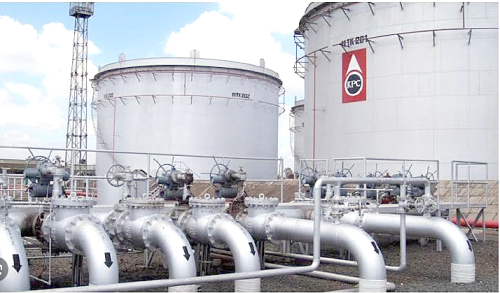
Kenya is a net importer of petroleum products. Unlike oil-producing countries that can shield consumers from global price shocks, Kenya remains highly exposed to fluctuations in international energy markets. When crude oil prices rise, local fuel prices eventually follow.
Numerous studies have demonstrated the close relationship between rising oil prices and inflation in Kenya. Fuel is a key input across virtually every sector of the economy. Higher diesel and petrol prices increase transportation costs, raise production expenses for manufacturers and elevate distribution costs for businesses.
Those additional costs are often passed on to consumers through higher prices for food, household goods and essential services.
Cost of living
This is why the current tensions in the Gulf should concern Kenyan policymakers and households alike. Even if shipping continues through the Strait of Hormuz, heightened security risks, increased insurance costs, and fears of future disruptions can still contribute to higher global oil prices.
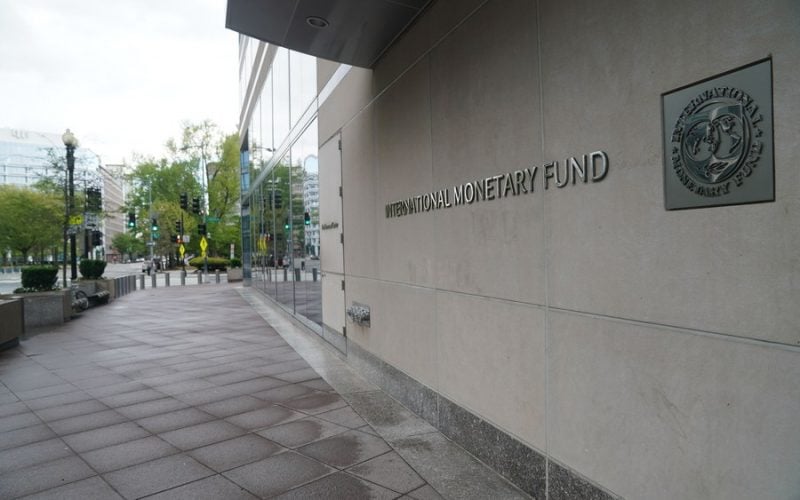
The International Monetary Fund (IMF) has previously highlighted how disruptions or threats to critical energy supply routes can transmit inflationary pressures to fuel-importing economies. Kenya remains vulnerable to such external shocks because of its dependence on imported petroleum.
At a time when many households are already struggling with the high cost of living, any sustained increase in fuel prices could further squeeze family budgets.
Food prices, which are particularly sensitive to transportation costs, could rise. Businesses facing higher operating expenses may also be forced to increase prices or reduce investment.
That said, there is no reason for panic. Oil markets often react sharply to geopolitical developments before stabilising as producers adjust supply and alternative routes are explored. The duration and severity of the disruption will determine whether the current tensions evolve into a significant economic shock.
Nevertheless, the episode serves as another reminder of Kenya’s vulnerability to events taking place far beyond its borders. Whether the Strait of Hormuz is fully closed, partially disrupted, or simply operating under heightened risk, the country’s dependence on imported fuel leaves it exposed to the consequences.
The long-term lesson is clear. Kenya must continue strengthening its energy security, diversifying fuel supply sources and accelerating investment in renewable energy. Reducing reliance on imported petroleum remains one of the most effective ways to protect households and businesses from geopolitical shocks originating thousands of kilometres away.
What happens in the Strait of Hormuz does not stay in the Strait of Hormuz. Through fuel prices, transport costs and inflation, its effects can quickly be felt in Nairobi, Mombasa and across the country.
The question is not whether Kenya is exposed to the risk, but how prepared it is to manage it.
Author
Latest News






Advertisement
More on Insights