Advertisement
Traffic resumes through Strait of Hormuz as US–Iran deal takes effect
Friday 19th June, 2026 01:41 AM|

Oil tankers sailed through the Strait of Hormuz and the United States said it lifted its blockade on Iran on Thursday as an interim deal to end the war took effect, though key issues are still unresolved between the two countries.
Oil prices dropped to their lowest level since the war began on February 28, 2026, as analysts said exports through the strait, which handles about one-fifth of global oil supply, could return to normal in the coming months.
But Israel continued its war against Hezbollah in Lebanon, raising questions about whether the agreement would hold.
In Washington, some of President Donald Trump’s Republican allies in Congress questioned whether he had given up too much in order to end the conflict, which is unpopular with U.S. voters.
You Might Also Like
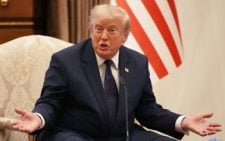
Iran’s Supreme Leader Ayatollah Mojtaba Khamenei said Trump signed the deal “out of desperation” and signaled that upcoming talks over Iran’s nuclear program – Trump’s stated reason for starting the war – would not be easy.
“If the American side wants to be too demanding, we will not accept it,” he said in a written message.
The deal gives negotiators 60 days to reach agreement on the status of Iran’s nuclear program, and set up a $300 billion reconstruction fund for Iran and other financial incentives. U.S. Vice President JD Vance, who will lead the U.S. delegation, said Washington will also seek to limit Tehran’s long-range missiles.
When he launched the war nearly four months ago, Trump said he aimed to destroy Iran’s nuclear weapons program, end its ability to strike its neighbours, prevent it from supporting allied militants in the region and make it possible for Iranians to topple their hardline leaders.
Though he initially demanded Iran’s “unconditional surrender,” Trump ultimately signed the agreement with none of those objectives met.
Shipping resumes through Strait of Hormuz
Vessels continued moving through the Strait of Hormuz as the U.S. confirmed it had lifted its naval blockade on Iran. Oil flows through the waterway, which carries about one-fifth of global oil supply, are expected to gradually return to normal levels as the interim agreement takes effect.
Oil prices dropped to their lowest level since the war began on February 28. Analysts attributed the decline to expectations that exports through the Strait of Hormuz could stabilize in the coming months following the agreement between the United States and Iran.
Political reactions in Washington and Tehran
U.S. officials said negotiations could still produce a stronger nuclear agreement, while critics argued Iran had strengthened its position after withstanding the conflict and maintaining influence over key shipping routes.
In Washington, some Republican lawmakers questioned the terms of the deal and its implications for U.S. strategy in the region.
Despite the agreement, Israel continued its military operations against Hezbollah in Lebanon, raising doubts over implementation of the wider ceasefire framework.
US Vice President JD Vance warned Israel to respect the peace process, while President Donald Trump called for a full ceasefire across the region and urged parties to support ongoing negotiations.
Author
Latest News







Advertisement
More on Inside Politics