Advertisement
Kenya fuel prices: Why petrol, diesel costs could rise again ahead of EPRA’s review
Saturday 11th July, 2026 11:03 PM|

Millions of Kenyans are closely watching fuel price trends as the Energy and Petroleum Regulatory Authority (EPRA) reviews the factors that determine petrol and diesel prices.
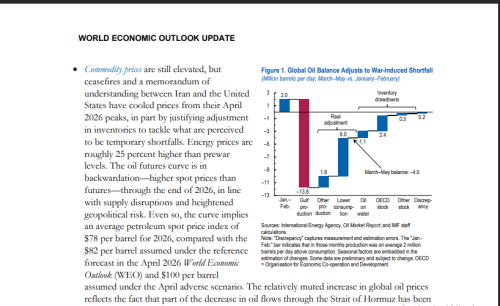
While consumers hope for relief at the pump, the International Monetary Fund (IMF) latest Economic Outlook warns that renewed pressure in global energy markets could push fuel prices higher again.
Kenya remains vulnerable to international oil shocks because it imports most of its petroleum products. Changes in crude oil prices, shipping costs, exchange rates, and geopolitical tensions can quickly affect fuel costs in the country.
For many Kenyans searching for current fuel prices in Kenya, the key question is whether future EPRA reviews will bring lower costs or another increase. The answer depends on both domestic policies and global market conditions.
You Might Also Like



The IMF has highlighted that oil-importing economies in Sub-Saharan Africa face significant risks from energy price shocks. These countries often have limited fiscal space after years of economic challenges, making it harder to provide long-term protection against rising fuel costs.
Kenya’s fuel prices are highly exposed to global markets because petroleum imports are paid for in international currencies, mainly US dollars. When crude oil prices increase or the Kenya shilling weakens against the dollar, import costs rise, and the effect can eventually reach consumers.
EPRA’s fuel pricing system considers several factors, including the landed cost of imported petroleum, international oil prices, currency movements, taxes, levies and other regulated charges. This means events outside Kenya can influence prices at local fuel stations.
The Strait of Hormuz, one of the world’s most important oil transport routes, remains a major concern for energy markets. Any disruption in the region could increase uncertainty, pushing up crude oil prices, insurance costs and transportation expenses.
Although Kenya cannot control global oil markets, international developments can directly influence what households and businesses pay for fuel.

How higher fuel prices affect Kenyans
Fuel prices affect more than vehicle owners. Diesel is a major input in Kenya’s transport and logistics sectors, supporting the movement of agricultural produce, manufactured goods and essential supplies across the country.
When diesel prices rise, transport operators often face higher operating costs. These costs can spread through the economy by increasing public transport fares, delivery charges and the prices of goods.
For households, higher fuel prices can create additional pressure on already stretched budgets. Increased commuting costs, higher food prices and rising expenses for essential services can make daily life more expensive.
This connection between fuel prices and household costs explains why EPRA announcements attract national attention. A change at the pump can influence businesses, consumers and the wider economy.
The government has previously introduced measures such as fuel stabilisation efforts and tax adjustments to reduce the immediate impact of international oil price increases. The Petroleum Development Levy Fund has also been used as a tool to help manage price pressures.
However, these interventions require public resources. If global oil prices remain high for an extended period, maintaining fuel support measures could place additional pressure on government finances.

Kenya’s long-term fuel challenge
The IMF warning highlights a broader economic challenge: Kenya’s fuel prices are influenced by global forces, while the country has limited control over those external pressures.
Short-term measures can provide temporary relief, but reducing vulnerability will require long-term strategies. These include improving energy efficiency, expanding alternative energy sources and strengthening economic resilience against international market disruptions.
Future EPRA fuel price reviews will continue to be closely watched by motorists, transport operators, businesses and households. The outcome of each review affects not only the cost of filling a vehicle but also the wider cost of living.
For millions of Kenyans, fuel prices represent more than a monthly adjustment. They influence transport costs, food prices and household financial decisions. As global energy markets remain uncertain, Kenya’s ability to manage fuel risks will remain an important economic challenge.
Author
Latest News





Advertisement
More on Business