Advertisement
Strait of Hormuz crisis threatens fragile economies beyond oil shock – report
Tuesday 30th June, 2026 10:56 PM|

The crisis thousands of kilometres away in the Gulf could soon be felt in East African kitchens, farms and transport networks, not just at fuel stations.
A new report by the United Nations Conference on Trade and Development (UNCTAD) released on Tuesday, June 30, 2026, warns that disruptions around the Strait of Hormuz have exposed vulnerable economies to a wider economic shock, with rising energy costs threatening to fuel inflation, increase food prices and strain public finances.
The report, titled “Strait of Hormuz Disruptions Beyond Reopening: Lasting impacts on vulnerable economies”, says the impact of the crisis goes beyond crude oil prices. While reopening the strategic shipping route offers relief, the damage from more than 100 days of disruption has already spread across global supply chains.
“The reopening of the Strait of Hormuz would bring much-needed relief for many economies,” the report says, adding that the disruption had already created negative effects across the global economy.
You Might Also Like
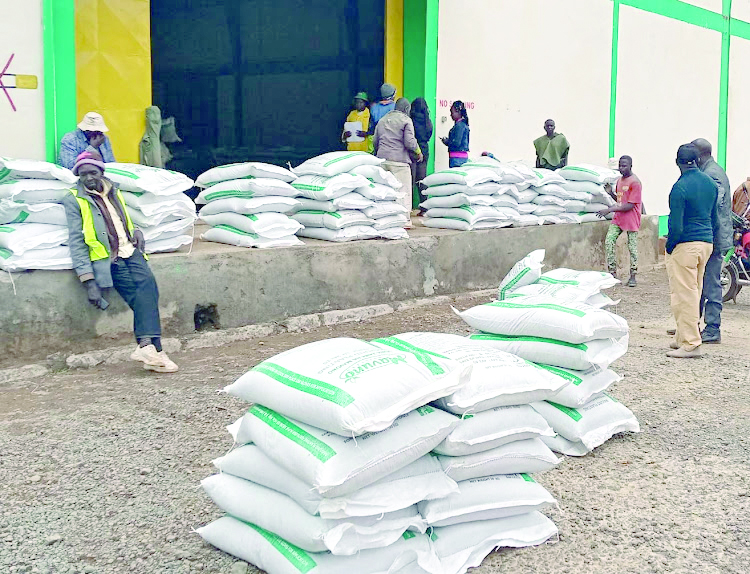
For Kenya and the wider East African Community (EAC), the biggest risk may come through second-round effects, where higher energy costs filter into transport, agriculture, food markets and household budgets.
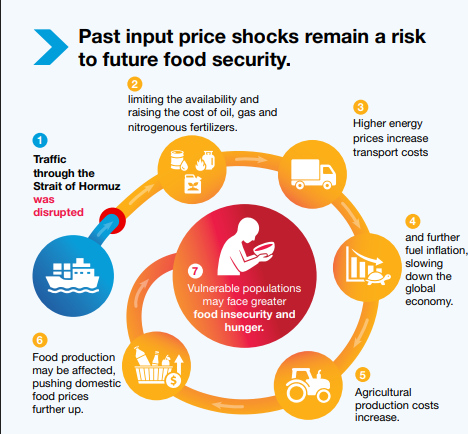
UNCTAD warns that disruption to traffic through the Strait limited the availability and increased the cost of oil, gas and nitrogen fertilisers.
“Higher energy prices increase transport costs and further fuel inflation,” the report notes.
For ordinary consumers, that could translate into higher costs of moving goods, more expensive farm inputs and pressure on the price of basic commodities.
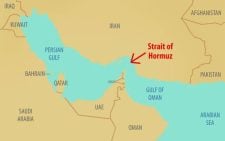
The Strait of Hormuz is one of the world’s most important energy corridors, carrying a significant share of global oil and gas supplies. Any prolonged disruption can quickly affect countries that rely heavily on imported fuel and agricultural inputs.
Inflation
Kenya, which imports most of its petroleum products, could feel the impact through logistics costs. Fuel is a major input in trucking, public transport, manufacturing and food distribution. A rise in energy costs can eventually affect everything from farm-to-market transport to prices on supermarket shelves and local markets.
The report highlights that energy shocks often have a longer life than the original crisis. Even when oil prices stabilise, other parts of the supply chain may take longer to recover.
“International energy prices can adjust fast, but shipping and value chains need time to adapt,” UNCTAD says.
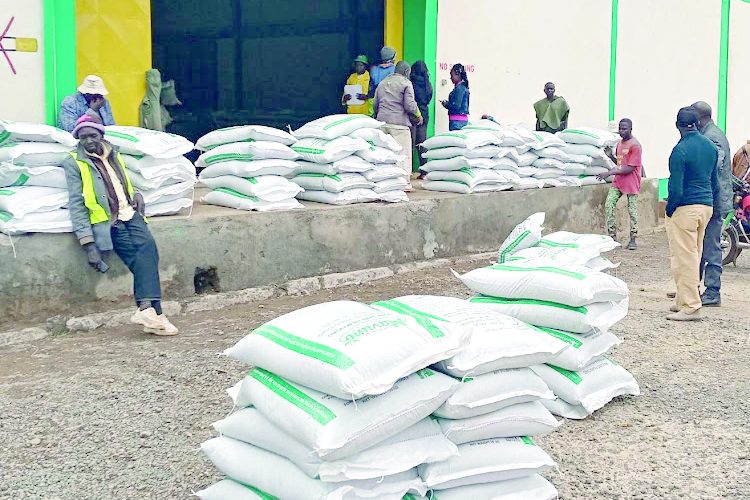
The fertiliser link is especially important for East Africa, where agriculture remains a major employer and contributor to food security. Higher fertiliser costs can increase production expenses for farmers, potentially pushing up prices of cereals, vegetables and other staples.
UNCTAD warns that higher agricultural production costs can affect food supply and push domestic food prices further up, increasing risks of food insecurity among vulnerable populations.
The economic pressure comes at a difficult time for many developing economies already dealing with debt burdens, currency pressures and limited fiscal space.
The report notes that trade shocks hit hardest where governments have limited ability to respond, citing challenges such as heavy debt servicing burdens and exchange rate risks linked to external debt.
For the EAC region, the crisis highlights the importance of reducing exposure to global supply chain disruptions. While countries cannot control events in strategic waterways thousands of kilometres away, strengthening local production, diversifying energy sources and improving regional trade links could help cushion future shocks.
The UNCTAD report says that the effects of the disruption will continue to be felt unevenly, with developing countries bearing some of the heaviest impacts.
Author
Latest News





Advertisement
More on Business