Advertisement
How Uganda’s media gag exposes deepening democracy crisis under Museveni’s rule
Tuesday 30th June, 2026 11:48 PM|
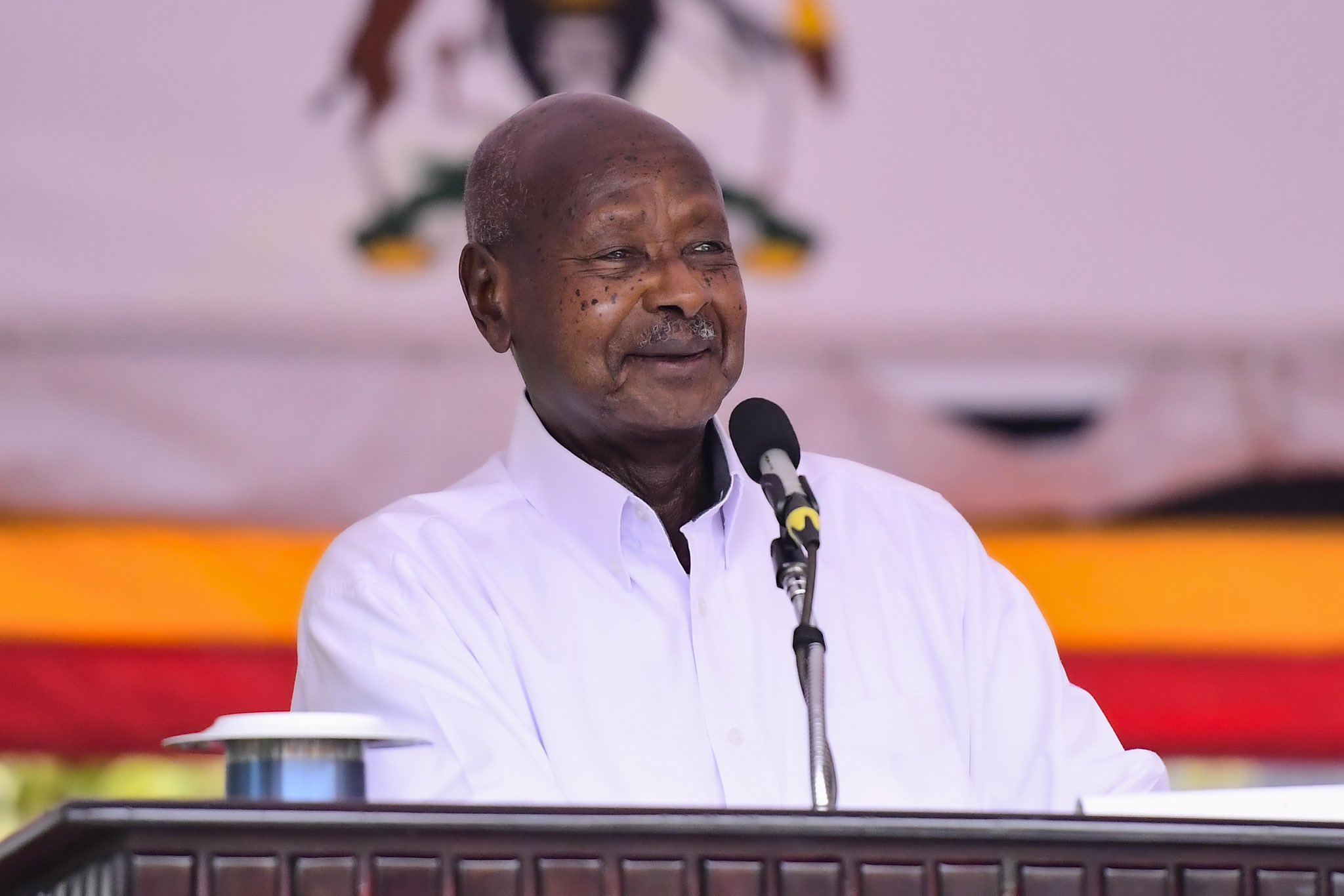
Uganda’s political environment is facing renewed scrutiny after the country’s leading independent media group, Nation Media Group Uganda, reported that it was placed under a military siege following the closure of its television, radio and newspaper operations.
The incident, involving armed security personnel surrounding the group’s Kampala offices and disrupting operations at Daily Monitor, NTV Uganda, Spark TV, KFM and Dembe FM, has intensified debate about the state of democracy, media freedom and political accountability under President Yoweri Museveni.
The government confirmed that the disruption was linked to a security-led inquiry ordered by President Museveni, involving the Uganda People’s Defence Forces (UPDF), police investigators and other security agencies.
“The events of 28th June 2026 that led to the disruption of operations at Nation Media Group were occasioned by a security-led inquiry instituted by H.E. Yoweri Kaguta Museveni, President of the Republic of Uganda,” the statement issued by the Ministry of ICT and National Guidance read.
You Might Also Like
The development came after remarks by the Chief of Defence Forces, General Muhoozi Kainerugaba, President Museveni’s son, who publicly criticised the idea of an independent press and said certain media outlets would not reopen without his permission.
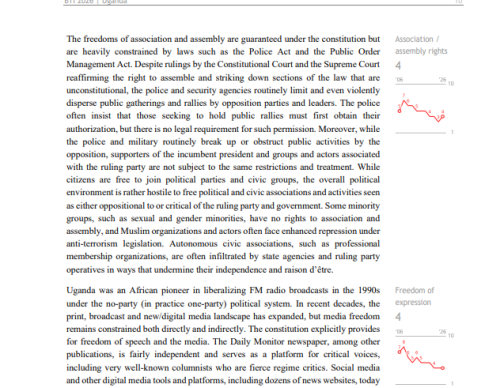
The events mirror concerns raised in the Bertelsmann Stiftung Transformation Index (BTI) 2026 Uganda Country Report, which describes a country where democratic institutions exist formally but are increasingly weakened by executive dominance and restrictions on civic freedoms. The report covers the period from February 2023 to January 2025 and assesses Uganda’s democratic transformation, governance and political system.
“Developments in the civic and political spheres are worrying; democratic governance continues to deteriorate; civic space is shrinking, and political repression is on the rise,” the BTI report warns.
The latest confrontation with independent media appears consistent with this broader assessment.
Media freedom under pressure
Uganda has historically had one of the more diverse media environments in East Africa, with private newspapers, radio stations and television broadcasters playing a major role in political debate. However, the BTI report says media freedom remains restricted despite constitutional protections.
It notes that independent outlets such as Daily Monitor have provided platforms for criticism of government, but “independent media outlets face threats and are forced to engage in self-censorship.”
The report further states that before elections, the government has developed a pattern of restricting communication channels, including ordering shutdowns of internet services and limiting digital expression.
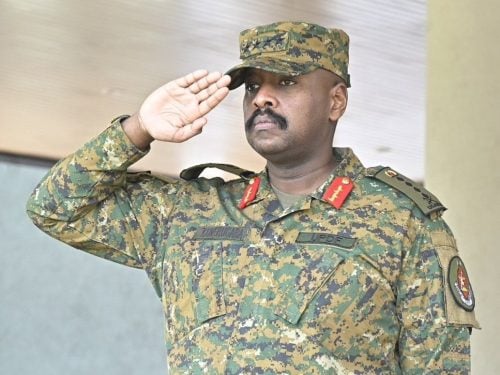
The military involvement in the Nation Media Group shutdown raises questions about the separation between security institutions and civilian political processes. According to the BTI, Uganda’s security sector has become deeply involved in political affairs, with police, military and intelligence agencies frequently used in ways that benefit the ruling establishment.
Uganda is scheduled to hold another general election cycle, but the BTI report says the political playing field remains unequal. It states that although elections have been held regularly since 1996, the electoral playing field is highly uneven.
“The ruling National Resistance Movement (NRM) is closely connected to state institutions and security structures, meaning opposition groups often compete against the state of Uganda, not the party in power,” the report argues.
Museveni, who has ruled Uganda since 1986, remains the central figure in the country’s political system. The BTI says Museveni appeared positioned to seek another term and described the likely outcome of the election as almost predictable because of his influence over state structures.
This concentration of power has affected opposition politics. The report highlights arrests, intimidation and legal pressure against opposition leaders and supporters. It says opposition figures have faced charges and trials in military courts despite concerns about civilian rights and judicial independence.
Weakening institutions and rule of law
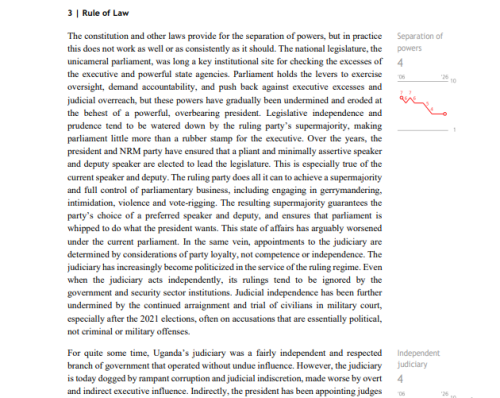
A major concern raised by the BTI report is the decline of institutional independence. While Uganda’s constitution provides for separation of powers, the report argues that this principle has weakened in practice.
Parliament’s oversight role has been reduced because of executive influence; legislative independence and prudence tend to be watered down by the ruling party’s supermajority,” it states.
The judiciary has also come under pressure. The BTI notes that military trials of civilians have undermined confidence in legal institutions, saying judicial independence has been affected by “the continued arraignment and trial of civilians in military court.”
The report describes Uganda as a country where democratic structures operate within a system that increasingly reflects authoritarian practices.
“Uganda is a clear example of democratic institutions operating within an authoritarian system,” the study states.
Security forces and democratic future
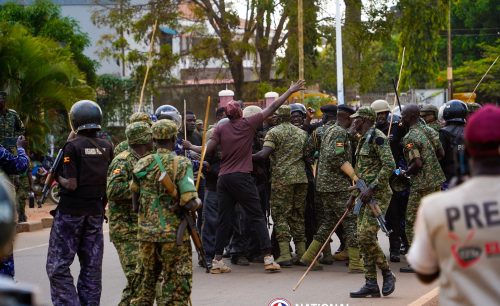
The involvement of armed forces in political disputes has become one of the most debated issues in Uganda’s democracy. The BTI report argues that security institutions often operate beyond traditional security responsibilities.
It notes that military and security actors can override elected institutions and courts, creating tensions between civilian authority and security power. The recent media shutdown, involving soldiers outside media offices, reinforces these concerns about the expanding role of the military in civilian affairs.
Despite these challenges, the BTI report notes that many Ugandans continue to support democratic principles. It cites survey findings showing that 77 per cent of citizens prefer democracy, while majorities reject one-party rule, military rule and one-man rule.
The tension facing Uganda is therefore between formal democratic institutions and the realities of political power. The country continues to hold elections, maintain parliament and allow political participation, but concerns remain over whether these institutions can operate independently.
Author
Latest News

Advertisement
More on Inside Politics