Advertisement
Why reopening Strait of Hormuz does not mean oil prices will come down quickly
Tuesday 30th June, 2026 11:14 PM|

The Strait of Hormuz may reopen, but consumers worldwide, including Kenya, could face months of high fuel and import costs.
The reopening of the Strait of Hormuz may calm global energy markets, but a return to normal trade flows does not immediately erase the economic damage caused by prolonged disruption, according to a new report by the United Nations Conference on Trade and Development (UNCTAD) released on Tuesday, June 30, 2026.
The report, “Strait of Hormuz Disruptions Beyond Reopening: Lasting impacts on vulnerable economies,” warns that while oil markets can respond quickly to improved conditions, shipping networks, freight costs and global supply chains take much longer to recover.
“The reopening of the Strait of Hormuz would bring much-needed relief for many economies. During more than 100 days of shipping disruption, negative effects have already rippled through the global economy,” the report reads.
You Might Also Like


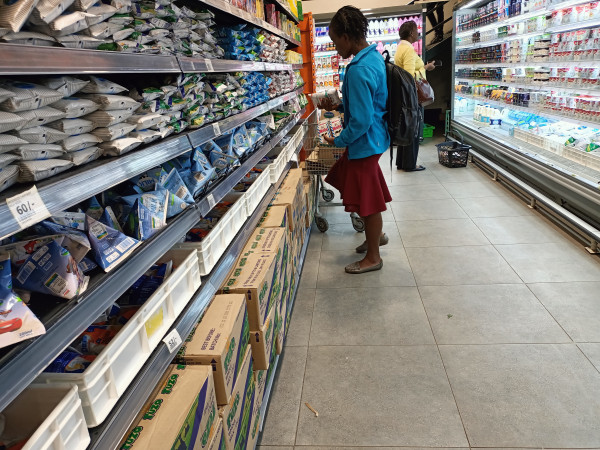
For Kenya, the impact could be felt beyond fuel stations. Even if international crude prices begin easing, consumers may continue facing higher transport costs, expensive imports and elevated prices for essential goods as supply chains slowly adjust.
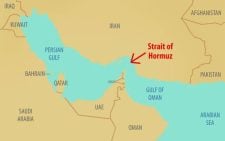
The Strait of Hormuz is one of the world’s most important energy routes, connecting major oil and gas producers to global markets. Any disruption quickly affects countries that depend on imported fuel, including Kenya, where petroleum products influence transport, manufacturing, agriculture and the cost of living.
The UNCTAD report explains that energy markets and logistics systems do not recover at the same speed.
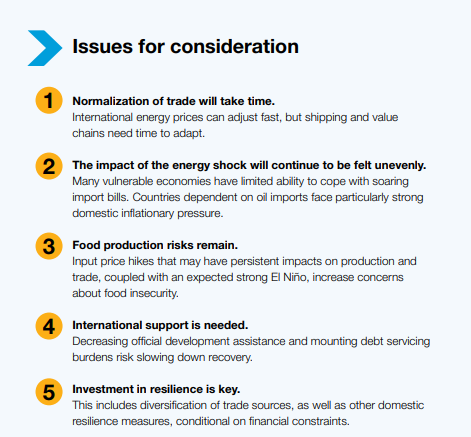
“International energy prices can adjust fast, but shipping and value chains need time to adapt,” the report notes.
Fuel cost
That delay means cheaper crude does not instantly translate into cheaper goods. For Kenyan households, a slower recovery could mean that petrol and diesel prices remain under pressure even after the initial crisis fades.
Transport operators may continue dealing with higher operating costs, while businesses that rely on imported raw materials could take longer to pass any savings to consumers.
A rise in fuel costs also affects the wider economy. Transport is built into the price of almost everything, from food delivered to markets to manufactured goods moved across the country.
The report highlights that energy disruptions can create wider inflationary pressures because “higher energy prices increase transport costs and further fuel inflation.”
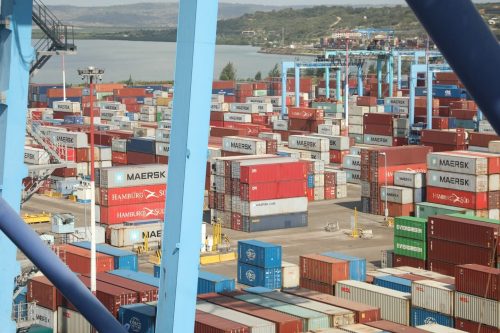
In Kenya, where fuel prices influence logistics from the port of Mombasa to inland markets, any prolonged increase in shipping and transport costs could keep imported goods expensive.
Electronics, machinery, industrial inputs and consumer products may remain costly because companies often operate on existing contracts, inventories and freight arrangements that take time to reset.
The agricultural sector is also exposed. UNCTAD warns that energy disruptions affect fertiliser availability and costs, increasing agricultural production expenses and putting pressure on food prices.
The report says disruption to the Strait limited availability and increased costs of oil, gas and nitrogen fertilisers, creating risks for economies already vulnerable to price shocks.
For East Africa, the lesson is that global trade routes remain deeply connected. A crisis in a strategic waterway thousands of kilometres away can eventually appear in household budgets through fuel, food and imported goods.
The UN agency says the recovery will be uneven, with vulnerable economies facing longer and more expensive adjustments.
“Short-lived energy shocks can have long-term consequences,” the report states, warning that countries with limited ability to absorb shocks may struggle the most.
Author
Latest News








Advertisement
More on Business