Advertisement
World Press condemns Uganda media shutdown, demands Museveni restore press freedom
Wednesday 01st July, 2026 12:11 AM|
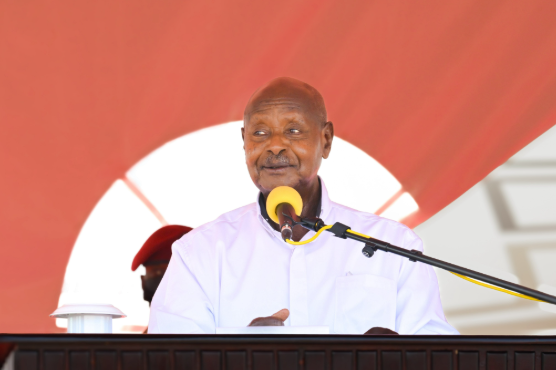
The global media community has condemned the shutdown of independent media operations in Uganda, with the World Association of News Publishers (WAN-IFRA) and the World Editors Forum urging President Yoweri Museveni to immediately reverse what they describe as a serious attack on press freedom and democratic rights.
In a letter addressed to President Museveni on Tuesday, June 30, 2026, the two international media organisations condemned the military-enforced closure of Nation Media Group (NMG) outlets, including Daily Monitor and NTV Uganda, describing the actions as “grave violations” of national and international standards protecting freedom of expression and independent journalism.
The condemnation follows the early morning raid on Sunday, June 28, 2026, when Ugandan military personnel reportedly surrounded the Nation Media Group premises in Kampala. The operation disrupted broadcasts, halted newspaper production and restricted access to journalists and staff.
“We are appalled to learn that Nation Media Group’s radio, television and print platforms were raided by military personnel, with journalists and employees temporarily detained and prevented from leaving the headquarters,” the letter reads in part.
You Might Also Like
“The actions are grave violations of both domestic and international standards established to protect freedom of expression and press freedom.”
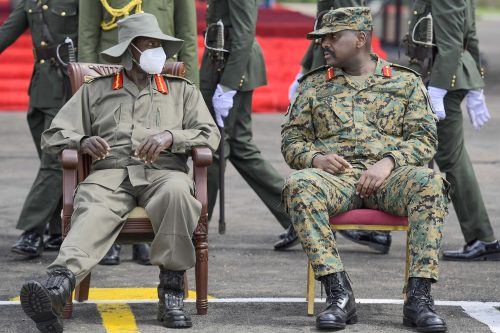
The affected outlets included Daily Monitor, NTV Uganda, Spark TV, KFM and Dembe FM. The shutdown raised concerns about the military’s role in civilian affairs, particularly after comments from Uganda’s Chief of Defence Forces, General Muhoozi Kainerugaba.
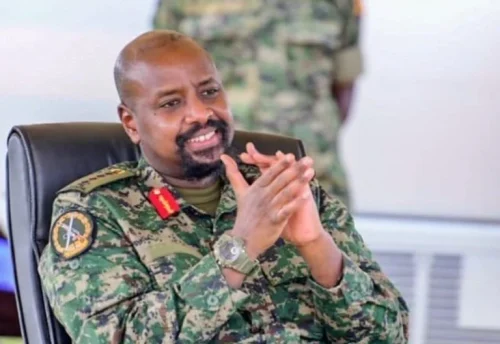
General Kainerugaba, who is President Museveni’s son, publicly criticised independent media and suggested that media houses would operate only under conditions approved by the military. His remarks triggered widespread concern among journalists, rights groups and international media organisations.
WAN-IFRA described the statements as particularly disturbing, saying threats against journalists and media leaders, as well as claims that press freedom should not be believed in, represented a direct challenge to democratic principles.
“Public statements threatening individual journalists and media leaders, declaring media should operate only with military approval, and dismissing press freedom as something ‘not to believe in’, are particularly disturbing,” the organisation said.
The Ugandan government has confirmed that the disruption of Nation Media Group operations was linked to a security-led inquiry ordered by President Museveni.
In a statement issued by the Ministry of ICT and National Guidance on June 30, 2026, the government said the events were part of an official investigation involving multiple security agencies.
“The events of 28th June 2026 that led to the disruption of operations at Nation Media Group were occasioned by a security-led inquiry instituted by H.E. Yoweri Kaguta Museveni, President of the Republic of Uganda,” the ministry said.
Media gag
The government said the inquiry involved the Uganda Peoples’ Defence Forces (UPDF), the Criminal Investigations Directorate of the Uganda Police Force, other security agencies and technical experts.
“The inquiry involves the Uganda People’s Defence Forces, the Criminal Investigations Directorate of the Uganda Police Force, other security agencies and experts.
” The government will inform the public once the inquiry has been concluded,” the statement added.
However, WAN-IFRA argued that security operations cannot justify restrictions on independent journalism, warning that the shutdown undermines Uganda’s democratic obligations.
“These outrageous actions are being interpreted as a direct assault on constitutionally protected freedoms, and ultimately have no place in a democratic society,” the organisation told President Museveni.
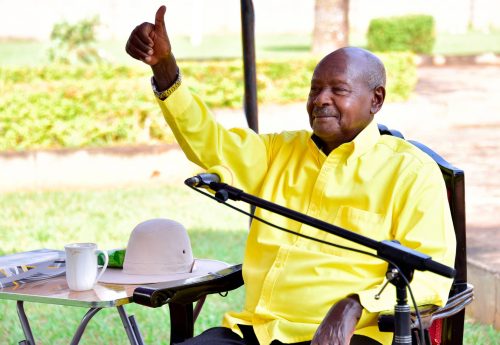
The global media body called on the Ugandan leader to order the reopening of all affected media platforms and ensure the immediate withdrawal of military personnel from media premises.
WAN-IFRA also urged Museveni to publicly distance the government from General Kainerugaba’s comments, saying this would clarify Uganda’s official position on independent journalism.
“We strongly encourage you to denounce General Kainerugaba’s statements as a means to clearly indicate his views are not representative of the official Ugandan government position with regard to the independent press,” the letter said.
The organisation further called for guarantees protecting journalists and media workers as Uganda moves forward from the crisis.
The incident has intensified debate over the state of democracy and civic freedoms in Uganda, particularly as the country approaches another election period. Media organisations and rights groups have warned that restrictions on independent reporting weaken public accountability and citizens’ ability to access information.
WAN-IFRA said it would continue to monitor the situation and engage with international partners, including European Union stakeholders and other global actors, regarding developments affecting press freedom in Uganda.
Author
Latest News
Advertisement
More on News