Advertisement
How court orders against Wetang’ula and Kingi could weaken their 2027 coalition bargaining power
Tuesday 21st July, 2026 10:26 PM|
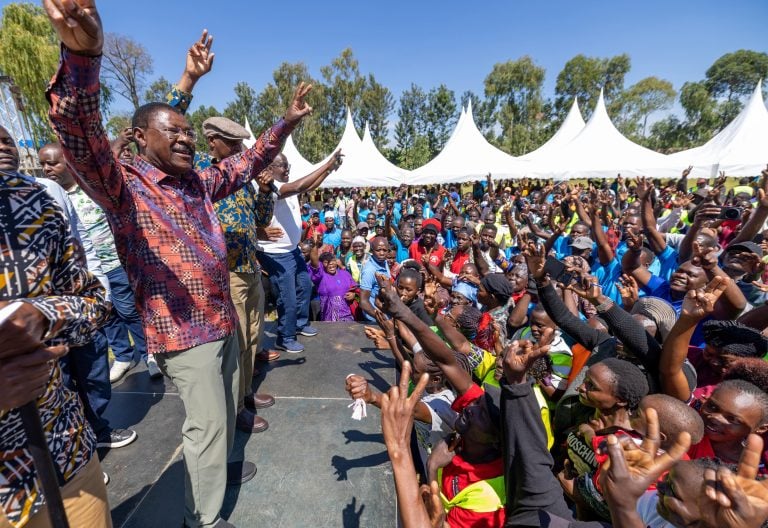
As political parties quietly begin positioning themselves for the 2027 General Election, a High Court order restricting National Assembly Speaker Moses Wetang’ula and Senate Speaker Amason Kingi from participating in partisan political campaigns could reshape the balance of power within the Kenya Kwanza coalition.
While the ruling is framed as a constitutional question about the neutrality of Parliament’s top offices, its biggest impact may be political. In Kenya’s coalition politics, influence is earned less through party registration than through a leader’s ability to mobilise votes, command elected leaders and deliver regional voting blocs.
If Wetang’ula and Kingi are ultimately prevented from actively campaigning while remaining Speakers, Ford Kenya and the Pamoja African Alliance (PAA) could find themselves negotiating from a weaker position ahead of the 2027 elections.
Justice David Mburu issued conservatory orders restraining Wetang’ula and Kingi from using the authority, prestige and influence of their constitutional offices to organise, promote, endorse or lead partisan political campaigns pending the hearing and determination of a constitutional petition.
You Might Also Like

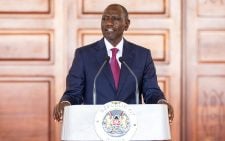

“Pending the inter partes hearing of this application, a conservatory order is hereby issued restraining the 1st and the 2nd respondents (Wetang’ula and Kingi), while serving as the speaker of the National Assembly and the Senate, respectively, from using, invoking, relying upon or benefiting from the authority, prestige, dignity, influence or incidents of their constitutional offices in the organisation, promotion, endorsement, leadership or conduct of organised partisan political campaigns in support of or opposition to any political party, political coalition or political candidate,” Justice Mburu ordered.
Although the orders are temporary, they have injected uncertainty into Kenya Kwanza’s regional mobilisation strategy at a time when coalition partners are already positioning themselves for negotiations that often begin long before formal campaigns.
Coalition politics is built on political capital
Kenya’s coalition politics has historically rewarded leaders who can demonstrate electoral value rather than hold influential offices. During coalition negotiations, parties that can prove they control strategic voting blocs are often better placed to bargain for Cabinet positions, parliamentary leadership, government appointments and development priorities.
That political formula shaped coalition negotiations before the 2022 General Election and is expected to define the race to 2027.
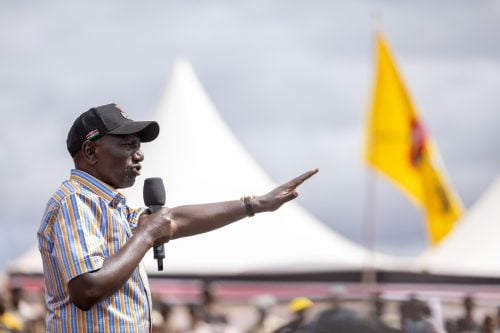
The Kenya Kwanza coalition was built on regional political brokers who pledged to deliver votes in their respective strongholds. As attention gradually shifts to President William Ruto’s anticipated re-election bid, coalition partners are once again expected to justify their political relevance through their ability to mobilise grassroots support.
That is where the court orders could have far-reaching consequences.

Beyond their constitutional offices, Wetang’ula and Kingi have become two of Kenya Kwanza’s most recognisable regional campaign strategists.
Wetang’ula has remained one of President Ruto’s most visible political allies in Western Kenya, where he has used his influence as Ford Kenya party leader to consolidate support for the ruling coalition. His prominence has made him one of Kenya Kwanza’s principal negotiators in a region regarded as increasingly competitive ahead of the 2027 elections.
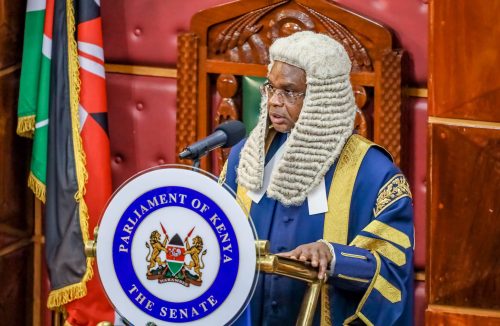
At the Coast, Kingi has played a similar role through PAA. As the party leader and former Kilifi governor, he has been central to Kenya Kwanza’s efforts to expand its influence in a region that has traditionally produced highly competitive presidential contests.
Western Kenya and the Coast remain politically significant because of their large voting populations and substantial parliamentary representation, making them critical battlegrounds for any coalition seeking to form the next government.
If both leaders are required to reduce their political activities while serving as Speakers, the bargaining strength of their parties during coalition negotiations could diminish.

Emerging regional players
The timing of the court orders coincides with a period of political realignment across both regions.
In Western Kenya, Trans Nzoia Governor George Natembeya has continued expanding the Tawe Movement, positioning himself as an alternative regional voice. Nairobi Senator Edwin Sifuna has also raised his national profile, adding another influential figure capable of shaping political discourse beyond his traditional support base.
At the Coast, Kingi faces growing competition from governors, MPs and other regional leaders seeking to establish themselves as the coalition’s principal political negotiators before the 2027 election.
If Wetang’ula and Kingi become less visible on the campaign trail, emerging leaders could gain greater influence over who speaks for their regions in future coalition talks.
The conservatory orders come months after a three-judge High Court bench ruled that Wetang’ula could not simultaneously serve as Speaker of the National Assembly and leader of Ford Kenya, finding that the dual role conflicted with the constitutional expectation of impartiality.
Meanwhile, human rights organisation Vocal Africa has filed contempt of court proceedings alleging that Wetang’ula and Kingi continued participating in political rallies despite earlier court directives restricting such political involvement.
Although the courts have yet to determine the substantive constitutional issues, the legal uncertainty has already become a political factor.
Why ruling matters beyond Speakers
Should the courts permanently uphold the restrictions, the decision could fundamentally alter how coalition politics is conducted in Kenya.
Future Speakers may increasingly be expected to remain institutionally neutral, forcing political parties to rely on governors, senators, MPs and party officials, rather than parliamentary Speakers, to mobilise supporters and negotiate coalition agreements.
For Kenya Kwanza, that would represent a significant shift. The coalition has traditionally relied on influential regional kingpins to consolidate support across the country. Limiting the political roles of two of its most prominent regional mobilisers could compel the alliance to identify new negotiators capable of demonstrating comparable electoral influence.
The implications extend beyond Ford Kenya and PAA. They touch on how political capital is accumulated, how coalition bargaining power is measured and who will emerge as the next generation of regional power brokers.
As the countdown to the 2027 elections gathers pace, the significance of the Wetang’ula court order and restrictions on Kingi’s political campaigns may ultimately lie less in the legal arguments before the High Court than in the coalition arithmetic unfolding behind the scenes.
The parties that can still demonstrate an ability to deliver votes, not simply occupy high office, are likely to command the greatest influence when Kenya’s next round of coalition negotiations begins.
Author
Latest News



Advertisement
More on Inside Politics