Advertisement
Uganda police reveal causes of rising school bus accidents
Saturday 18th July, 2026 11:18 PM|
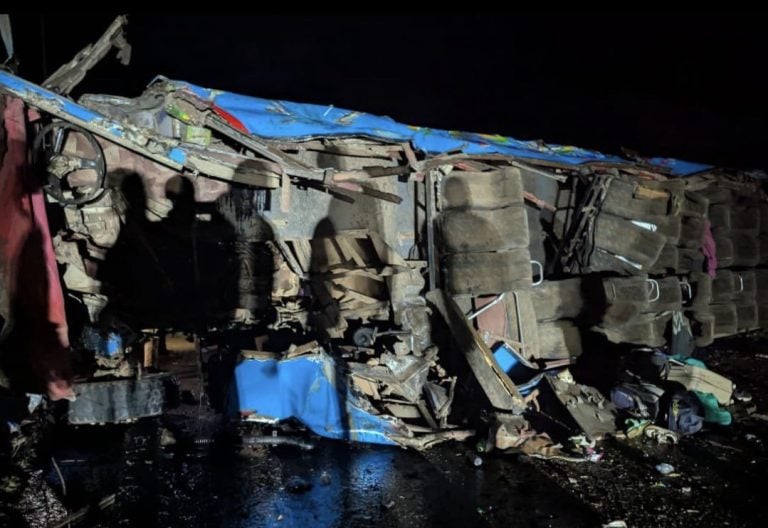
Uganda Police have attributed the recent rise in school bus crashes to poor planning of long-distance educational trips, the use of unsuitable buses and drivers, and inadequate vehicle safety preparations, as authorities tighten measures following the country’s deadliest school transport tragedy in years.
Speaking during a press briefing on Saturday, July 18, 2026, AIGP Lawrence Niwabiine, Director of Traffic and Road Safety, said July has traditionally been the busiest month for school educational tours because many schools organise excursions during the second term. However, he noted that July 2026 has seen a significant shift, with schools increasingly undertaking long-distance, cross-country journeys that place greater demands on transport operators and drivers.
“This month of July is when schools plan their trips, and they have always planned the trips in this month of July,” Niwabiine said.
He explained that, unlike previous years, schools are no longer limiting excursions to nearby districts.
You Might Also Like


“What is special in this year, 2026 July, is that the nature and the way they were organizing trips were inter-districts, but now most of the trips are long journeys that can go to any corner of this country,” he said.
According to the traffic chief, these extended journeys require schools to hire public service buses (PSVs), many of which operate scheduled passenger services throughout the year. He warned that schools often disrupt normal transport operations by hiring buses and assigning unfamiliar drivers to routes they do not regularly serve.
“These buses are PSVs. These are not PMOs. These are the buses that have routine schedules throughout the year. When you hire them, you need to plan and hire the buses that ply that particular route,” Niwabiine said.
He urged schools to avoid assigning drivers unfamiliar with intended travel routes.
“Schools that organize these tours should not hire drivers to drive buses on routes they are not accustomed to,” he emphasised.
Niwabiine also stressed that vehicle condition and driver preparedness remain critical factors in preventing crashes.
“When you get long journeys, your vehicles should be in sound mechanical condition, the drivers properly tested, and before the trip the drivers should rest enough,” he said.
He added that schools and transport companies should schedule mandatory stopovers to reduce fatigue during lengthy journeys.
“Along the journeys, it should be planned that they have stopovers, and these are the measures we are now going to emphasize when the suspension on school trips is eventually lifted,” he said.
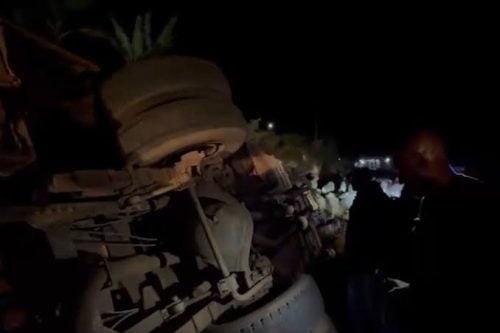
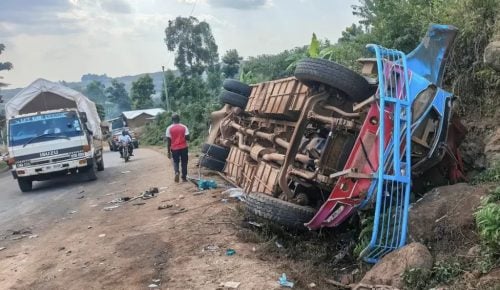
The remarks come after a devastating school bus crash that claimed the lives of 23 children and one adult. The bus, carrying pupils from King David Junior School in Kampala, was returning from an educational tour of Sipi Falls in eastern Uganda when it veered off the road near Kaserem in Kapchorwa District, struck a large rock and overturned.
Police said three additional pupils later died while receiving treatment, raising the death toll to 24. Six victims have yet to be identified, while 23 injured pupils remain hospitalised in Kapchorwa. Investigators believe the driver lost control of the vehicle before the crash.
In response, the Ministry of Education and Sports suspended all school field trips nationwide to allow investigations, strengthen transport safety guidelines and conduct road safety training for schools and transport companies.
Police have also directed all school groups currently on educational tours to report to the nearest police station, where officers will provide escorts where necessary to ensure learners return safely.
Authorities say the suspension will remain in force until new safety measures are fully implemented, with greater emphasis on route planning, mechanical inspections, qualified drivers and fatigue management before schools resume educational excursions.
Author
Latest News



Advertisement
More on News