Advertisement
What the KDF mortgage scheme means for Kenya’s affordable housing drive
Saturday 18th July, 2026 10:25 PM|
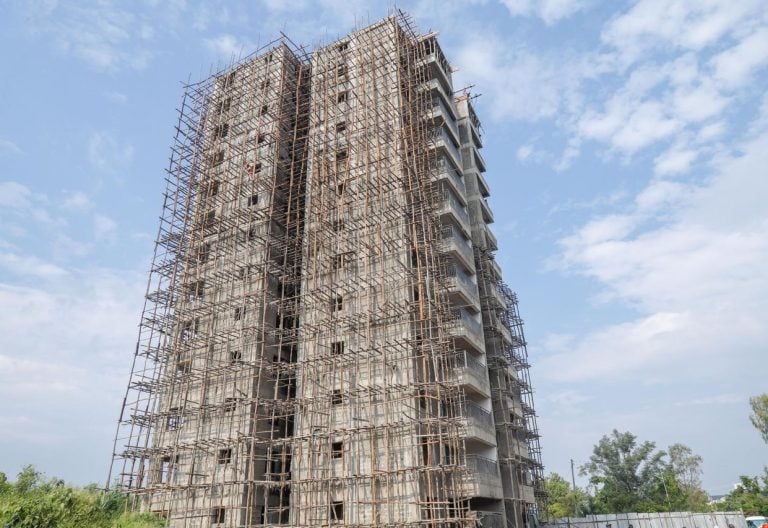
More than 50,000 active Kenya Defence Forces (KDF) personnel will gain access to government-backed mortgages at a concessional interest rate of four per cent under a new partnership between KCB Bank Kenya and the military, in a move that could strengthen demand for affordable housing and reshape how public servants finance home ownership.
The initiative, implemented under the Civil Servants Housing Mortgage Scheme in partnership with the Ministry of Lands, Public Works, Housing and Urban Development and the Affordable Housing Board, goes beyond expanding mortgage access for soldiers.
It reveals a growing shift in Kenya’s housing policy, recognising that building more homes alone will not solve the country’s housing deficit if prospective buyers cannot afford to finance them.
For years, Kenya’s affordable housing agenda has focused largely on increasing the supply of homes. Yet high borrowing costs have remained one of the biggest barriers to home ownership, leaving many salaried workers unable to qualify for commercial mortgages despite having stable incomes.
You Might Also Like



The KDF mortgage programme seeks to bridge that gap by lowering the cost of borrowing while widening access to long-term housing finance.

“Home ownership remains one of the most important aspirations for families, providing security, stability and an opportunity to build long-term wealth. Through this partnership, we are making that aspiration more attainable for Kenya Defence Forces personnel by providing affordable financing solutions that respond to their unique needs,” KCB Bank Kenya Managing Director Annastacia Kimtai said.
Housing financing hurdles
The significance of the programme lies not only in the number of officers it targets but also in what it says about the future of Kenya’s housing market.
Affordable housing depends on two pillars: the availability of homes and the ability of buyers to pay for them. While developers continue to increase housing supply, mortgage affordability remains one of the missing links in expanding home ownership.
By offering eligible KDF personnel mortgages at four per cent, well below prevailing commercial lending rates, the scheme lowers monthly repayment costs, making home ownership achievable for more middle-income earners.
The financing is also designed to support different stages of the home ownership journey. Eligible officers can purchase completed houses, acquire residential plots, finance construction, combine land acquisition with home building, refinance existing mortgages or unlock equity from property they already own. Finance solutions will also have access to Shariah-compliant financing through KCB Sahl Bank.
The broader impact could extend beyond individual homeowners. Easier access to affordable mortgages increases the pool of qualified buyers, giving developers greater confidence to invest in residential projects while stimulating activity across construction, real estate and financial services.

Why employer-backed mortgages are gaining traction
The partnership also reflects a broader shift in Kenya’s banking sector, where employer-backed mortgage schemes are emerging as an attractive model for expanding housing finance.
For lenders, payroll-backed loans reduce credit risk by providing predictable repayment streams. For employers, housing finance becomes an employee welfare benefit that supports long-term financial security. For the government, such partnerships help translate affordable housing policies into actual home ownership.
KCB’s growing presence in this market illustrates that trend. The lender currently manages more than 90 mortgage schemes for institutions across both the public and private sectors, positioning employer-backed financing as an increasingly important segment of Kenya’s mortgage market.
The government views the expansion of the Civil Servants Housing Mortgage Scheme as a critical step towards increasing home ownership among public servants while supporting the broader Affordable Housing Programme.
“Through strategic partnerships with institutions such as KCB Bank, we are creating practical pathways that enable more Kenyans to own homes while supporting the growth of the housing sector and advancing the country’s development agenda,” said State Department for Housing and Urban Development Principal Secretary Charles Hinga.

Rather than relying solely on public investment to deliver affordable homes, the strategy increasingly combines government support with private-sector financing to improve both housing supply and housing affordability.
That approach could prove critical in narrowing the gap between completed housing units and the number of Kenyans able to purchase them.
A model that could extend beyond the military
The KDF initiative may also provide a blueprint for expanding concessional mortgage financing to other categories of public servants, including teachers, police officers, healthcare workers and county government employees.
If replicated across more institutions, employer-backed mortgage schemes could deepen Kenya’s mortgage market while improving home ownership among salaried workers who have traditionally struggled to access affordable long-term credit.
Chief of the Defence Forces General Charles Kahariri said the programme would strengthen the financial wellbeing of military personnel by enabling them to invest in homes with greater confidence.
“The welfare of our personnel remains a key priority for the Kenya Defence Forces. Access to affordable mortgage financing will empower our officers and service members to invest in homes for their families while planning confidently for their future. This partnership provides a meaningful opportunity to improve their financial security and quality of life,” he said.
Ultimately, the significance of the KDF mortgage scheme extends far beyond the military. It highlights an evolving reality in Kenya’s housing sector: affordable housing is no longer just about constructing more homes. It is increasingly about creating financing models that enable ordinary salaried workers to buy them.
If that model succeeds, it could reshape how Kenya delivers affordable home ownership—by making affordable finance as central to housing policy as affordable construction itself.
Author
Latest News








Advertisement
More on News