Advertisement
Inside the fertiliser crisis that could push millions into hunger
Saturday 18th April, 2026 12:23 AM|
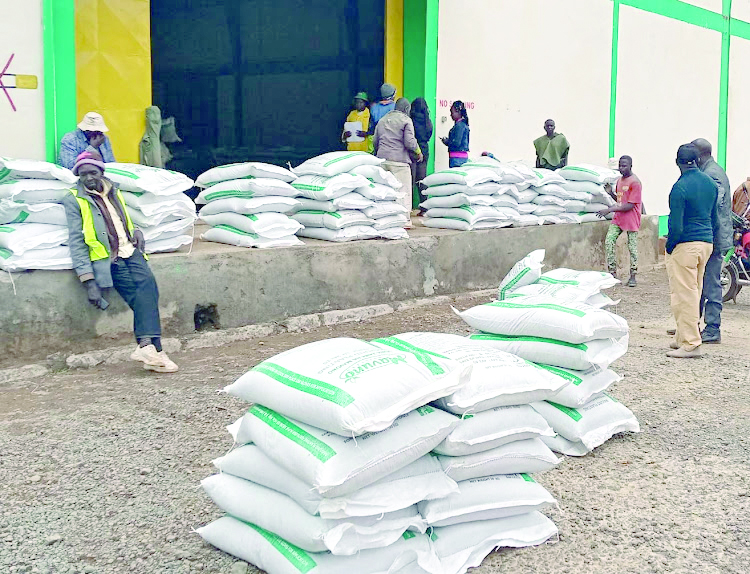
A looming food crisis in East Africa is taking shape, not in the skies, but in the soil.
“The war in the Middle East has pushed up oil, gas, and fertiliser prices,” the IMF says, warning that the shock is already rippling through economies dependent on imports.
For countries like Kenya, Uganda, and Tanzania, where agriculture underpins both livelihoods and food systems, the consequences could be severe.
You Might Also Like



Fertiliser is one of the most critical inputs in modern farming. For millions of smallholder farmers across East Africa, it determines whether a season delivers a surplus or a shortage.
But as global prices rise, farmers are being forced to make difficult choices. With higher costs, fertiliser use declines, crop yields drop, and food supply tightens
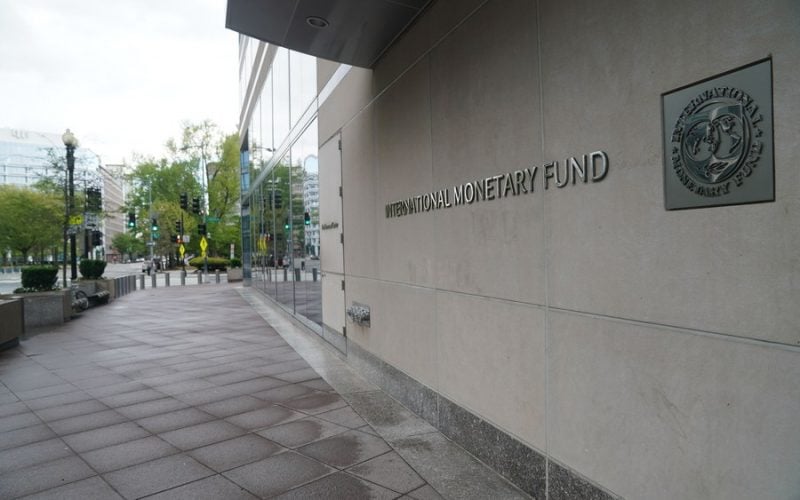
The IMF notes that “higher fertiliser prices are adding risks to agricultural output and food inflation.”
In practical terms, this means that even in seasons with good rainfall, production could fall simply because farmers cannot afford the inputs needed to sustain yields.
Blow to agriculture?
The IMF says the crisis does not stop at the farm as lower agricultural output triggers a second wave, rising food prices in local markets, creating a cascading effect across the economy, especially in urban areas where households rely entirely on purchased food.
“Poverty, food insecurity, and other social indicators, facing renewed headwinds from rising food prices,” the report warns.
IMF estimates show that a 20 per cent increase in global food prices could push more than 20 million people into moderate or severe food insecurity across sub-Saharan Africa.
This is not a distant scenario; it is a plausible outcome if current global pressures persist.
Beyond rising hunger, the report highlights deeper human impacts.
Models suggest that higher food prices could sharply increase malnutrition, particularly among children. Millions could face worsening diets, with long-term consequences for health, education, and productivity.
The IMF warns that food shocks, combined with other pressures such as climate events and reduced aid flows, could intensify vulnerability across already fragile communities.
In East Africa, where many households spend a large share of their income on food, even modest price increases can have devastating effects.
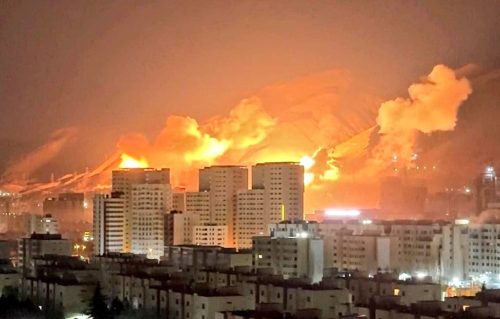
The Global Link
The IMF describes how geopolitical tensions have disrupted supply chains and increased the cost of key commodities. Fertiliser, which relies heavily on energy inputs such as natural gas, has been particularly affected.
The result is a direct link between global conflict and local food systems:
Global conflict → higher fertiliser prices → reduced farm output → rising food prices → increased hunger
For import-dependent economies in East Africa, this chain reaction is difficult to break.
The IMF is urging governments to act quickly to protect food security and vulnerable populations. Policy responses may include targeted support for farmers, improved access to inputs, and measures to cushion households from rising food costs.
But the report also makes clear that the risks remain high.
“Climate shocks and disruptions to fertiliser supply chains are likely to affect agricultural activity negatively and undermine food security,” it warns.
Author
Latest News








Advertisement
More on Business