Advertisement
World Bank flags inflation risks for Kenya amid Iran conflict
Thursday 09th April, 2026 12:09 PM|

The World Bank (WB) has cautioned that escalating geopolitical tensions, especially the ongoing conflict involving Iran, could drive up inflation and slow economic growth across African economies.
Countries that rely heavily on imported oil, such as Kenya, are expected to feel the greatest impact as fuel prices surge and food costs rise due to supply disruptions linked to instability in the Middle East.
The monetary lender cut its 2026 growth forecast for the region by 0.3 per cent to 4.1 per cent, matching last year’s pace, while predicting inflation to rise to 4.8 per cent from the previously expected 3.8 per cent.
“The burden will fall most heavily on the world’s most vulnerable populations, particularly in low‑income, import‑dependent economies. Spikes in fuel prices and potential sharp increases in food prices are especially concerning where fiscal space is constrained, and debt burdens are already high, reducing governments’ ability to protect vulnerable households,” the WB said in a statement on Wednesday, April 8, 2026.
You Might Also Like


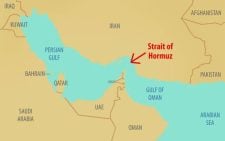
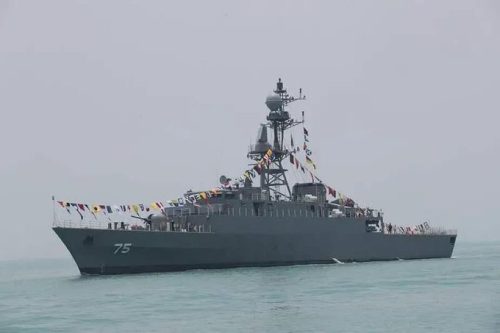
Brent crude surged as much as 55 per cent to more than Ksh14,464.80 per barrel following the US and Israel’s attacks on Iran on February 28, 2026.
Fertiliser costs have also jumped as harvests get underway in key African growing areas, adding to the pressure on farmers and food prices.
Despite oil prices easing below Ksh13,050 per barrel following a temporary ceasefire, they remain well above pre-war levels, continuing to drive up fuel costs and the price of essential goods in Kenya and other oil-importing economies.

According to the monetary institution, these ongoing global price shocks could deepen poverty in regions already facing high vulnerability.
In Kenya, where the economy relies heavily on imported fuel and food, inflation is projected to increase by over 4 per cent, potentially cutting household incomes by 2.6 per cent and pushing nearly one million people below the poverty line.
Additionally, investment inflows from Gulf countries, key contributors to Kenya’s infrastructure and development, may slow as these nations shift focus to post-conflict reconstruction, placing further pressure on economic growth.
Remittances from African workers in the Gulf constitute a significant part of national economies. In Ethiopia, for example, around 750,000 citizens work in Saudi Arabia, sending home funds that amount to roughly 5 per cent of the country’s gross domestic product.
A similar dynamic could impact Kenya indirectly if regional remittances are affected.
Author
Latest News








Advertisement
More on Business