Advertisement
NYOTA Fund: PS Susan Mang’eni explains why some beneficiaries received Ksh19,000 instead of Ksh22,000
Saturday 11th July, 2026 10:50 PM|

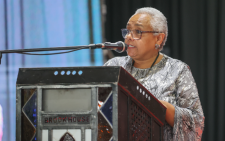
Principal Secretary for Micro, Small and Medium Enterprises (MSME) Development Susan Mang’eni has explained why some beneficiaries of the National Youth Opportunities Towards Advancement (NYOTA) Fund received Ksh19,000 instead of the expected Ksh22,000 during the second phase of disbursements.
The clarification follows questions from NYOTA Fund beneficiaries who received lower-than-expected payments during the latest tranche of disbursements.
According to PS Mang’eni, the NYOTA Programme includes a mandatory savings component designed to help young entrepreneurs build financial resilience and qualify for additional matching grants.
“The reason why some of them received 19,000 instead of 22,000 is because they withdrew all their savings and the project is not yet completed,” Mang’eni said in an interview on a local TV station on Saturday, July 11, 2026.
Why Ksh19,000?
You Might Also Like
Mang’eni explained that the government deducts a portion of the funds paid to beneficiaries and channels it into savings accounts under the programme.
The savings component is divided into short-term and long-term savings and is intended to encourage a saving culture among young people participating in the NYOTA Fund initiative.
“The project seeks to cultivate a saving culture among our young people,” she said.
According to the PS, beneficiaries who maintain their savings are eligible for a matching grant provided through the programme in partnership with NSSF’s Haba Haba savings platform.
“The project has provided a matching grant. If you save, after the end of the project you also receive a matching grant with a ratio of two to one,” she explained.
However, some beneficiaries withdrew their savings before the programme ended, affecting the amount they received in the second tranche.
“What will you do with this matching grant that is supposed to help de-risk your business if you have already withdrawn your savings?” she posed.
Protecting youth businesses
Mang’eni said the savings requirement was deliberately built into the NYOTA Programme to protect young entrepreneurs from unexpected business challenges.
“We know if you’re doing a business, a business is likely to be exposed to a number of shocks. Savings were put into the project design to provide a de-risking mechanism,” she said.
She added that affected beneficiaries were notified before the second disbursement was made.
“We communicated to them two days before. We sent them messages and told them we could see they had withdrawn all their savings, so they would receive less,” said the PS.
The PS also rejected claims that the NYOTA Fund selection process is influenced by political affiliation.
“This process began in September last year. Among the eligibility criteria, there was nothing about political parties,” she said.
Mang’eni challenged media organisations and independent observers to verify the process by engaging beneficiaries directly.
The NYOTA Fund is one of the government’s flagship youth empowerment programmes, focusing on entrepreneurship, financial literacy, savings, business growth and job creation. The programme aims to equip young Kenyans with the skills, funding and financial discipline needed to build sustainable enterprises.
Author
Latest News




Advertisement
More on News