Advertisement
Kenya’s fuel crisis unpacked: Inside the global ripple effects of the Strait of Hormuz closure
Friday 17th April, 2026 08:01 AM|

The fuel shortage in Kenya is not merely the unfortunate situation caused by the hiccups of the domestic fuel supply network in Kenya; it is based on the significant disruption that has occurred worldwide due to the shutdown of the Strait of Hormuz.
The Strait of Hormuz is a narrow and yet crucial waterway linking oil-rich Gulf countries with the rest of the world and transporting close to a quarter of all oil traded in the world.
Once it is disrupted, the impact is felt well outside the Middle East, to other countries like Kenya, which is nearly wholly reliant on imported petroleum.

The recent shutdown, which was motivated by increasing geopolitical frictions within the Gulf region, has greatly decreased the amount of oil pumped into the international markets.
You Might Also Like


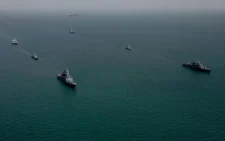
The United Arab Emirates, Kuwait and Saudi Arabia are major exporters of crude oil who use the route to export their products. Tankers cannot pass freely, and, as a result, the world supply has become tight, which has led to a sharp rise in oil prices and is causing more uncertainty in the energy markets.
Kenya’s dependency on imported fuel
In Kenya, the effects are direct and dire. All the refined petroleum products imported to the country are primarily from the Gulf region. These deliveries are usually shipped through the Strait of Hormuz and then over to East Africa via the Indian Ocean and offloaded in the Port of Mombasa. Once this route is interrupted, the shipments are reduced, and the ones that reach are at a much greater cost.
This world supply shock has been translated into local shortages in an orderly yet agonising chain. First, the decreased supply of imported fuels leaves gaps in domestic supplies. Oil marketing firms start having problems with sustaining stocks, which results in intermittent shortages at the petrol stations.
Simultaneously, the oil price spike increases the price of imported fuel, straining the foreign exchange reserves of Kenya and making it more difficult to maintain the level of supply for both the government and the private sector.
As the cost of fuel imports is paid in US dollars, higher world prices imply that Kenya requires more dollars to get the same quantity of fuel. This increases foreign currency demand, depreciates the Kenyan shilling and further increases the expense of imported fuel. The outcome is that fuel will become scarce and expensive simultaneously.
Ripple effects of the economy nationwide
The impact on the fuel supplies starts to be felt globally in the economy. With a high fuel price, transport costs also increase, and this causes an increase in the cost of moving goods as well as the cost of using public transport.
This, consequently, causes an increase in food prices and the cost of living for households. Companies, in particular those depending on logistics and energy, will have increased costs of operations, which are frequently transferred to the customers.
By doing so, a shock thousands of kilometres away is felt in the inflationary pressure in our daily lives in Kenya.
The underlying structural weaknesses in the Kenyan energy sector are also brought to light by the current crisis. The high dependency on imported fuel exposes the country to external shocks, especially those associated with geopolitical tensions in the major oil-producing areas. No adequate strategic fuel reserves and little diversification into other sources of energy imply that there are not very many buffers in case such disruptions happen.
Reducing dependence on imported fuel
The shutdown of the Strait of Hormuz has highlighted the interconnectedness of the global energy system and the vulnerability of Kenya in the energy system.
Although the shortages and stabilising prices are the immediate issue to consider, the overall lesson is also evident: without decreasing the reliance on the external fuel chains, the consequences of such crises will be felt on a much larger scale, both regarding the economy of the country and its citizens.
Author
Latest News







Advertisement
More on Insights