Advertisement
Can Safaricom force an M-Pesa reversal? Here’s what the law says
Thursday 09th July, 2026 06:14 PM|
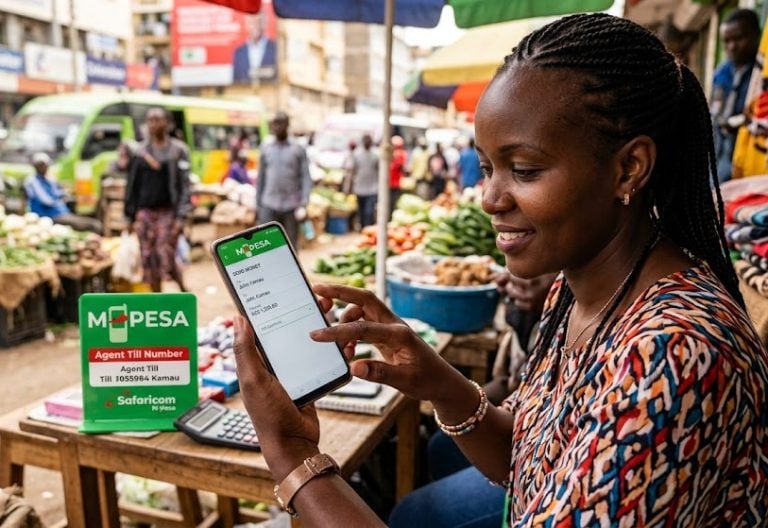
For millions of Kenyans, M-Pesa is more than a payment platform; it is the country’s financial backbone. Every day, millions of shillings change hands within seconds, powering businesses, paying school fees, settling bills and supporting families. Yet one simple mistake sending money to the wrong number can quickly become a legal and financial nightmare.
Recent clarification by Safaricom that it cannot compel a recipient to reverse wrongly sent money has reignited debate over where technology ends and the law begins.
The company’s position is straightforward. If a recipient declines a reversal request, the sender is advised to contact the recipient directly or report the matter to the police for assistance. While Safaricom also encourages customers to use the “Hakikisha” confirmation feature and double-check transaction details before sending money, many users are left asking a fundamental question: If the money was sent by mistake, why can’t Safaricom simply reverse it?
The answer lies in Kenyan law.
Ownership changes once money is received
You Might Also Like


Contrary to public perception, Safaricom does not legally own money stored in M-Pesa wallets. It merely provides the payment infrastructure.
Once money reaches the recipient’s registered M-Pesa account, that person acquires legal possession of the funds. Any attempt by Safaricom to remove the money without consent or a lawful order could expose the company to claims of unlawful deprivation of property or breach of contract.
This explains why Safaricom’s reversal system relies largely on the recipient’s cooperation rather than unilateral action by the telecommunications company.
Its recent advisory reflects this legal reality.
“Where a reversal request is disputed by the recipient, you need to contact them directly for refund or report to police to assist with recovery,” the company stated while responding to a customer on X.
Mistaken money is not free money
However, recipients should not mistake legal possession for legal ownership.
Kenyan law does not give anyone the right to knowingly retain money sent to them in error.

Where a recipient deliberately refuses to refund money they know does not belong to them, the matter can escalate into a criminal or civil dispute. Police investigations may follow, and courts can order recovery depending on the circumstances.
This is why Safaricom advises customers to involve law enforcement when direct engagement fails.
The company cannot investigate intent, determine ownership disputes or compel refunds those powers belong to investigative agencies and the courts.
Technology has limits
The debate also highlights the limits of digital innovation.
Many users assume M-Pesa functions like a banking application where erroneous transactions can easily be reversed. In reality, instant mobile money transfers are designed to complete transactions almost immediately, making post-transfer intervention legally and technically complex.
Recognising this challenge, Safaricom has invested in preventive measures such as the Hakikisha confirmation prompt and the One App verification tools to minimise human error before transactions are completed.
Ultimately, the lesson for both consumers and policymakers is clear. As Kenya’s digital economy continues to grow, legal awareness must grow alongside it.
Technology can reduce mistakes, but it cannot replace the rule of law. Until legal reforms provide alternative dispute resolution mechanisms for mistaken mobile money transfers, caution remains every M-Pesa user’s strongest protection.
Author
Latest News






Advertisement
More on Insights