Advertisement
Why Dangote chose Lamu over Mombasa and Tanga to set up his oil refinery in East Africa
Thursday 09th July, 2026 05:20 PM|

The decision by Nigerian billionaire Aliko Dangote to favour Lamu over Mombasa in Kenya and Tanga in Tanzania for a potential East African oil refinery is driven by a mix of geography, infrastructure, economics, logistics and long-term strategic planning.
Nigeria’s Dangote Group plans to finance a proposed 700,000-barrel-per-day oil refinery in Kenya through internal cash flow, bonds and an initial public offering.
The refinery, East Africa’s largest refining project, is expected to take up to three years to build and would supply refined petroleum products to Kenya and neighbouring countries, helping to reduce East Africa’s dependence on imported fuels.
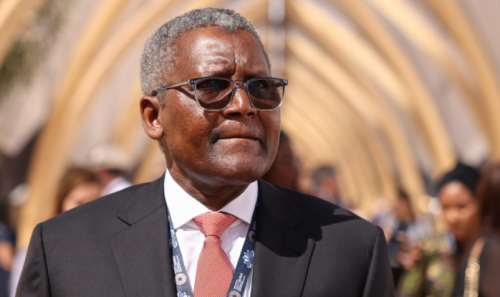
It would also fulfil Dangote’s ambition to expand fuel-processing capacity across Africa following the start-up of its 650,000-barrel-per-day refinery in Lagos.
Lamu’s deep-water advantage
You Might Also Like



One of Lamu’s biggest selling points is its deep-water port, which was specifically designed to handle some of the world’s largest cargo and oil vessels.
Unlike Mombasa Port, which is heavily congested and has limited room for expansion, Lamu offers a modern facility capable of receiving Very Large Crude Carriers (VLCCs) that transport millions of barrels of crude oil.
For a refinery expected to process hundreds of thousands of barrels of oil daily, reducing shipping costs and turnaround time is a significant advantage.
Room to build a mega industrial hub
Unlike Mombasa, where land is scarce, Lamu has vast tracts of land suitable for large-scale industrial development. An oil refinery requires space not only for processing plants but also for storage tanks, petrochemical industries, export terminals and supporting infrastructure.
The availability of land also allows room for future expansion into production facilities.
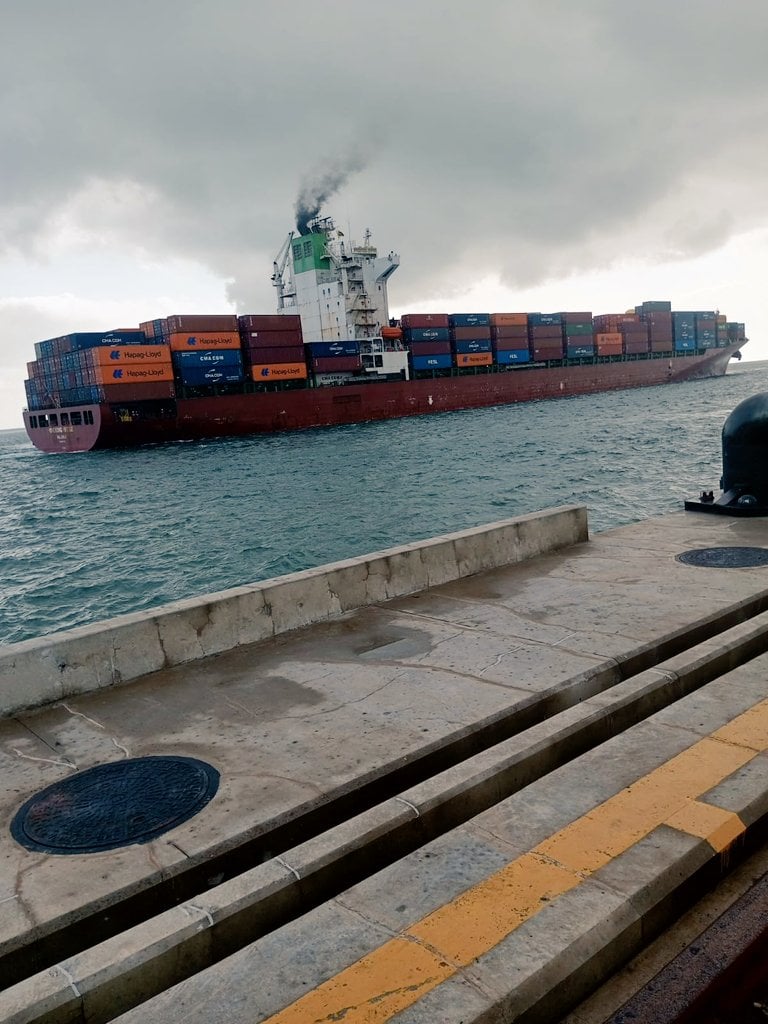
Lamu also sits at the heart of the ambitious Lamu Port-South Sudan-Ethiopia Transport (LAPSSET) Corridor, Kenya’s flagship infrastructure project aimed at connecting Kenya with Ethiopia, South Sudan and eventually other regional markets.
A refinery located in Lamu would be strategically positioned to supply petroleum products across East Africa, including landlocked countries such as South Sudan, Uganda and parts of Ethiopia, reducing reliance on imported refined fuel.
Lower congestion
Mombasa remains East Africa’s busiest port, handling container cargo, vehicles, tourism activities and petroleum impor0ts. The high volume of traffic often leads to congestion, increasing operational costs for businesses.
Lamu, still in its growth phase, offers the opportunity to develop a refinery within a purpose-built industrial ecosystem without competing for space with existing port activities.
Author
Emmanuel Rono
Rono is a digital journalist with a proven track record in newsroom leadership and content creation. Currently a Digital Writer for People Daily Digital, Emmanuel’s career is rooted in a lifelong passion for storytelling. Let's talk here: [email protected] or [email protected]
View all posts by Emmanuel RonoLatest News





Advertisement
More on Insights