Advertisement
Kirinyaga maps snakebite hotspots to support local antivenom development
Thursday 09th July, 2026 04:34 PM|
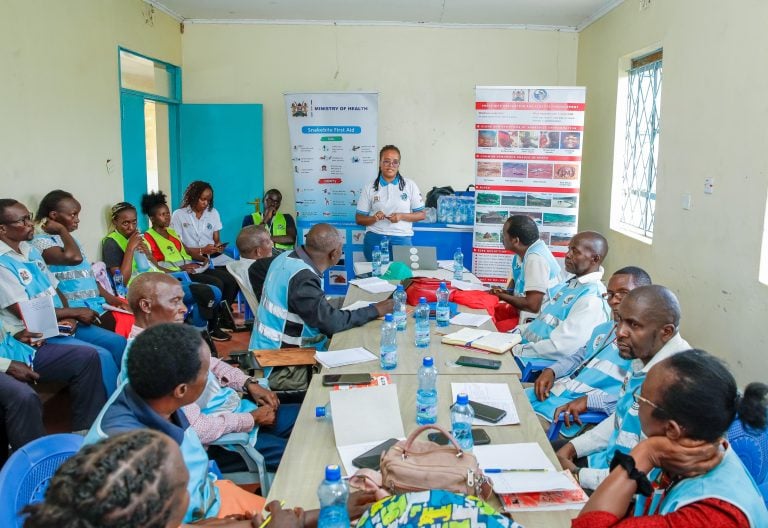
The Kirinyaga County Government has partnered with the National Government to map snakebite hotspots across the county in a move aimed at supporting the development of a locally produced antivenom tailored to Kenya’s venomous snake species.
The exercise is being carried out in collaboration with the Kenya Institute of Primate Research (KIPRE) through the Kenya Snakebite Research and Intervention Centre (K-SRIC).
It seeks to establish the burden and geographical distribution of snakebite cases while generating data to strengthen prevention, improve treatment and guide the production of an affordable and effective antivenom.
The findings are expected to inform strategic antivenom distribution, strengthen surveillance and referral systems, identify high-risk areas and support evidence-based planning for snakebite interventions.
You Might Also Like



Speaking during the exercise on Wednesday, July 8, 2026, Kirinyaga County Director of Public Health and Sanitation Peter Irungu described the initiative as the first comprehensive study of snakebite burden in the county.
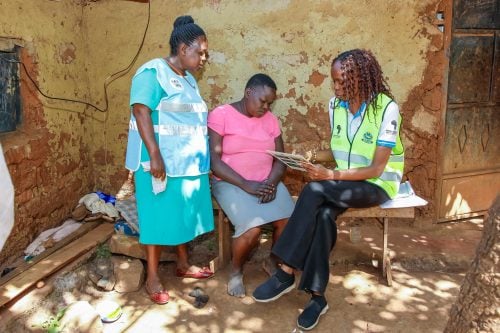
“This is the first study of its kind in Kirinyaga. The findings will help us determine the actual burden of snakebites, map out the affected areas and enable the county to plan better for prevention, treatment and procurement of antivenom,” Irungu said.
He noted that snakebite remains a neglected public health challenge despite affecting many residents, adding that the study will generate accurate data on reported cases and enable the county to implement targeted prevention and disease control interventions.
Snakebite prevention
As part of the exercise, Community Health Promoters (CHPs) are undergoing specialized training on snakebite prevention, appropriate first aid, early recognition of envenoming, timely referral and community education to strengthen frontline response and reduce preventable deaths and disabilities associated with snakebites.
Cecilia Ngari, a Public Health Research Scientist representing KIPRE, said the institution is working closely with the County Government’s Department of Health to determine the burden of snakebite at the community level while documenting the challenges Community Health Promoters face when responding to snakebite cases.
“Working closely with the county, we have been able to map around 600 households over the last two and a half weeks, and we expect to cover all the sub-counties before completing the exercise,” she said.
Ngari said the exercise goes beyond identifying snakebite hotspots, noting that CHPs are being equipped with knowledge and practical skills to identify snakebite cases, administer appropriate first aid, educate communities on prevention measures and facilitate timely referral of victims.
She observed that the County Government has embraced snakebite as a public health priority, creating an enabling environment for stronger surveillance and community reporting.
Impact of the CHPs
She added that equipping CHPs will improve case identification and reporting, leading to more accurate data to guide interventions.
“Our institution has been mandated to develop a locally available antivenom that works better against the snake species found in Kenya. The mapping exercise will provide the evidence needed to understand where snakebites occur most, focus resources appropriately and support the development of an antivenom that will be affordable and easily accessible,” she added.
The ongoing collaboration underscores Governor Anne Waiguru’s commitment to providing affordable and accessible healthcare services to all county residents.
“We are committed to putting in place sound health systems that ensure our people access affordable and comprehensive care ranging from disease prevention and treatment to rehabilitation,” she said.
Author
Latest News







Advertisement
More on News