Advertisement
Youths warned against exploitation in Kirinyaga’s heated 2027 politics
Sunday 24th May, 2026 11:42 AM|

Political leaders in Kirinyaga County have been put on notice over allegations of exploiting unemployed youths as social media bloggers to insult rivals, spread propaganda and run coordinated online attacks ahead of the 2027 General Elections.
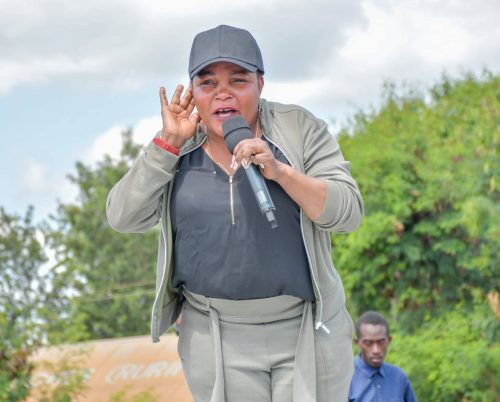
The concerns emerged after the family of Dennis Waweru, a local blogger who was accused of cybercrime offences linked to abusive online posts targeting the family of former Kirinyaga Woman Representative Wangui Ngirici, accused unnamed politicians of using vulnerable youths for political battles.
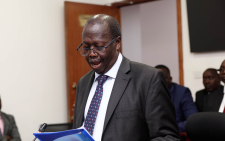
Speaking on Saturday, May 23, 2026, during a public apology to the Ngirici family, Waweru’s brother John Gichuki said political actors in the county had taken advantage of his sibling’s limited literacy skills to push toxic online content, only to abandon him once he ran into legal trouble.
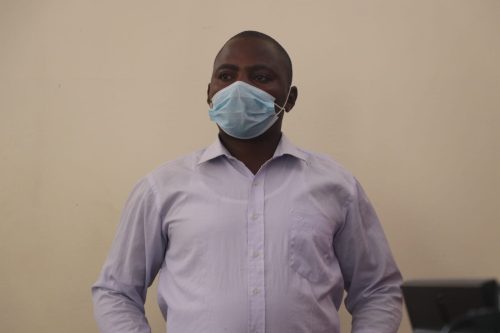
“These politicians know very well that my brother cannot fully comprehend some of the information they send him to publish. They craft insulting and demeaning messages and use him as a tool to fight their political battles,” Gichuki said.
Apology to Ngirici family
You Might Also Like



The family issued an emotional apology to the Ngirici family over the offensive publications, saying Dennis had been manipulated by powerful political figures seeking to tarnish the image of opponents ahead of the hotly contested 2027 political season.
“We are deeply sorry to the Ngirici family for the pain caused. Our son made mistakes, but there are leaders behind the scenes who pushed and misled him for their selfish political interests,” Gichuki added.
The family further condemned the growing trend where politicians allegedly recruit desperate and unemployed youths to run coordinated online attacks against rivals, exposing them to arrests, violence and even death.
“Many young people are ending up in police cells, others are being attacked and some even killed because of political propaganda on social media. Yet the politicians who sponsor them remain untouched,” he said.
Gichuki challenged political leaders to involve their own children and relatives in online political battles if they truly believed in the propaganda being circulated.
“If these leaders believe what they are saying online is right, let them send their own children to defend them on social media instead of misusing poor and jobless youths,” he stated.
Ruto signs new cyber law
The illegal activities outlined in the bill include those touching on child pornography, terrorism, and extreme religious or cultic practices.
Assented into law on Wednesday, October 15, 2025, the same day former Prime Minister Raila Odinga died, the new law empowers the government to apply for pre-emptive shutdowns if investigators believe an online platform is being used to facilitate criminal activity.

Further, the new law, which has far-reaching ramifications, henceforth gives courts and investigative agencies the legal authority to block websites hosting illegal content, order their closure, and compel offenders to remove harmful material.
The new powers follow the introduction of Section 46A, which grants courts broad authority to order the deletion of content from digital devices or websites, shut down offending platforms, and approve urgent intervention in suspected cases.
Under this provision, investigators will no longer need to wait for harm to occur, as they now have the power to move to court to seek authority to rein in on offensive areas before illegal content spreads or goes viral.
Author
Latest News






Advertisement
More on Inside Politics