Advertisement
Some Kenyans welcome Cybercrimes law, say it will protect banks and businesses
Monday 27th October, 2025 08:03 PM|

Kenyan youths have shared a pessimistic outlook on the recently signed Computer Misuse and Cybercrimes Amendment Act (2014).
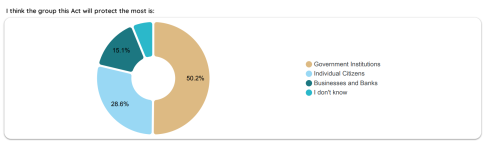
According to the Stahili Pulse Report titled Cyber Crimes Act—Kenyans’ Views released on Monday, October 27, 2025, over half of the respondents opined that the new laws would majorly safeguard government institutions.
These sentiments were largely drawn from the millennials interviewed.
Meanwhile, only 28.6 per cent of those polled observed that the law will be crucial in protecting individual citizens from potential harmful online activities.
You Might Also Like



A paltry 15.8 per cent expressed optimism that the newly signed law would be able to safeguard financial institutions and businesses from fraud, a premise which the proponents of the new law have hailed as its breakthrough following the assent of the bill by President William Ruto.
Many of those in support of the law have cited it as decisive in curbing the major growing challenge of cyberbullying, child pornography, and identity theft, with the new laws set to curb the trend.
The findings come just weeks after President William Ruto signed into law the Computer Misuse and Cybercrimes (Amendment) Act, 2025. The law gives authorities power to seek court orders to take down websites, digital platforms, or devices suspected of spreading child pornography, extremist content, or facilitating terrorism.
The report, which gathered responses from 3,331 participants across all regions of the country, shows that Gen Z and Millennials dominated the survey, representing 77.8 per cent and 18.4 per cent, respectively.
The poll also drew the highest number of respondents from Rift Valley (793) and Central Kenya (635), followed by Nairobi (471) and Nyanza (333).
Defending the law
Speaking in justification of the law, Wajir East MP Abdi Daud, on Sunday, October 26, 2025, defended his contribution to the bill, stating that it was timely in addressing the mentioned issues.

“What necessitated the amendments is that we didn’t have any law barring child pornography in Kenya or barring people from accessing cultic behaviours like Shakahola. We have also ensured that SIM swap is an illegal activity. We have been silent on these issues as banks and corporations have people hacking into their systems and stealing,” he added.
He further refuted assertions that the law empowers state agencies to shut down applications such as Facebook and X pages, arguing that the body will only block the content for the good of the general public.
“It was important we update the cybercrime laws of 2018 so that we could amend some sections and incorporate the new developments in cyberspace. Our laws have to catch up with new developments and the changing scene of cyberspace, such as AI and other emerging issues,” he stated.
Get Kenya’s Real Pulse — Every Week with Stahili
Make faster, smarter business decisions with Stahili Pulse Reports. Live access, real-time, trended insights across 75 sectors and products gathered daily from over 40,000 consumers across Kenya.
Stay informed on brand health, consumer preference and sector trends, all from verified Kenyan voices on the Stahili App.
Get the latest Stahili Pulse Report and unlock the data behind Kenya’s rapidly changing consumer market.
Want to know more and get your Market Pulse access? Email [email protected] and we’ll get your finger on the pulse.
Author
Latest News





Advertisement
More on News