Advertisement
Kigame warns Kenya faces fiscal crisis amid rising debt and misallocated funds
Thursday 20th November, 2025 08:30 AM|
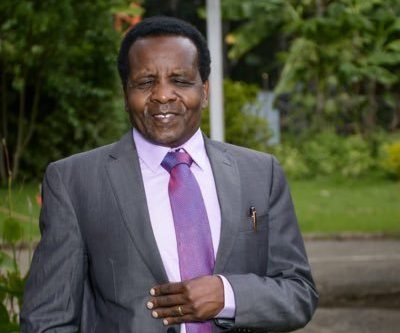
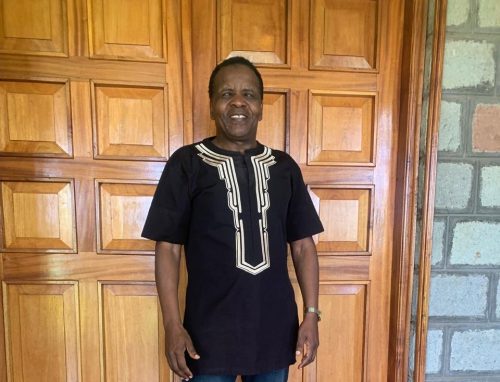
Kenya faces a looming fiscal crisis, warns Singer and presidential aspirant Reuben Kigame, pointing to rising debt and mismanagement of public funds.
Speaking in a morning TV interview on Thursday, November 20, 2025, Kigame said 70 per cent of government revenue is going towards debt repayment, leaving little for essential services.
“When you hear a CPA say 70 per cent of what we raise is going to debt, he is not guessing. That is the truth,” Kigame said. He urged Kenyans and policymakers to review why the country borrows and how the borrowed funds are used.
Kigame pointed out that the government often borrows for specific projects, but many are left incomplete or are never implemented. He criticised what he called bandit allocation, where funds are thrown at issues without proper oversight or clear objectives.
You Might Also Like
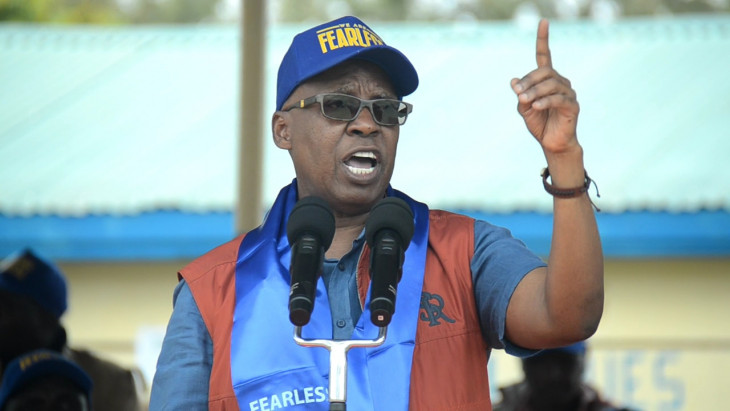


Using education as an example, Kigame noted that the budget has been steadily increasing: Ksh544 billion in 2022-23, Ksh626 billion in 2023-24, Ksh656 billion the following year, and a projected Ksh702 billion.
Despite this, many children remain out of school, university students struggle to pay fees, and some learners go hungry. Special education receives little to no funding, he added.
Kigame suggested that nearly half of the current education budget could provide free education for all students if spent efficiently.
“You ask yourself, where is all this other money going? That is why I am calling it a gobbling economy,” he said.
Borrowing beyond means
He also highlighted a mismatch between projected income and spending. Kenya expects to raise Ksh3.3 trillion in revenue, yet the budget allocates Ksh4.2 trillion, meaning the government will have to borrow nearly Ksh1 trillion more. With a national debt of about Ksh12 trillion, Kigame said the country is in a critical situation.
“If Kenya is blessed enough to raise 3.3 trillion, then our budget should be against that kind of projection,” he said. He added that continued borrowing without examining past spending contributes to a cycle of debt that the country cannot sustain.
Kigame further criticised housing policies, noting that some new housing projects have led to evictions in areas such as Makongeni and Jericho instead of creating new spaces.
His warnings come as MPs and education advocates, including Kiharu MP Ndindi Nyoro, raise concerns over government decisions affecting schooling.
Nyoro recently criticised a plan to slash capitation funding for day secondary schools, a move that would force parents to pay more fees. Such cuts, he warned, could undermine free basic education in Kenya.
Author
Kenneth Mwenda
Kenneth Mwenda is a business, sports, and politics digital writer with over seven years of experience in journalism, covering breaking news, feature stories, and in-depth analysis across a range of beats.
For inquiries, he can be reached at [email protected]
View all posts by Kenneth MwendaLatest News


Advertisement
More on Inside Politics