Advertisement
How work-from-home culture changed Kenyan office fashion
Saturday 11th October, 2025 01:29 PM|
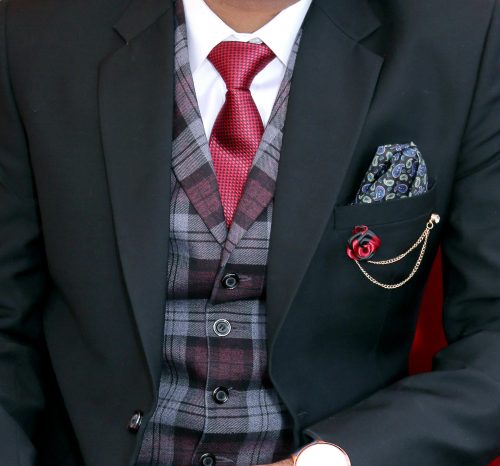
In the pre-pandemic era, Kenyan office fashion was a rigid affair, dominated by starched shirts, tailored suits, and polished shoes that mirrored colonial-era professionalism.
Nairobi’s corporate corridors echoed with the click of heels and the swish of ties, where “dressing the part” was non-negotiable.
This formality wasn’t just aesthetic; it signalled hierarchy and respect, rooted in a workforce where 70 per cent of urban professionals commuted daily to central business districts. Ties for men and knee-length skirts for women were staples, sourced from local tailors or imported fast-fashion chains, reflecting a blend of Western influence and modest African conservatism.
The remote work disruption
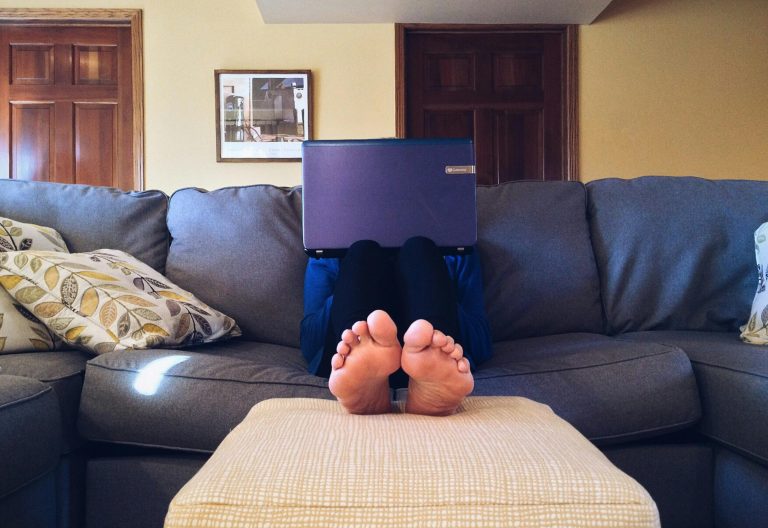
The COVID-19 pandemic, hitting Kenya in March 2020, upended this overnight. With nationwide lockdowns and a shift to remote work, over 40 per cent of formal sector employees, primarily in tech, finance, and media, transitioned to home offices, according to a survey. Zoom calls replaced boardrooms, and the “mullet” aesthetic emerged: crisp blouses or button-downs on top, paired with leggings or shorts below the camera frame.
You Might Also Like



Comfort trumped convention as professionals traded stifling suits for breathable kitenge tops and athleisure. A 2021 New York Times study on global wardrobes highlighted this pivot in African contexts, with Kenyan women increasingly favouring lightweight linens and natural-fibre kaftans for all-day wear.
This was more than convenience; it was cognitive. Research drawing on the University of Bath’s “enclothed cognition” theory, applied locally, found that casual attire boosted focus and reduced stress in home settings, where chores and childcare blurred work boundaries.
Millennials lead the fashion revolution
For Kenyan millennials and Gen Z, who now make up 75 per cent of the workforce, remote work has democratised style. Social media platforms like Instagram amplified this, with influencers’ “Zoom-ready” looks: bold Ankara prints on tailored blazers over joggers, or minimalist dashikis with sneakers.
A 2024 ResearchGate analysis confirmed this trend, recording a 200 per cent rise in Kenyan fashion posts blending traditional motifs with casual elements post-2020. Even masks became fashion statements: vibrant kanga prints dangled like pocket squares, adding flair without formality.
By 2021, as hybrid models took hold, offices began mirroring homes. Companies relaxed policies, introducing “smart casual Fridays” that stretched into weekdays.
Local designers adapted quickly, got convertible kitenge dresses doubling as Zoom tops or office tunics, blending versatility with sustainability amid economic strain. The British Council’s 2022 Kenya Fashion Industry Needs Analysis found a 30 percent uptick in demand for eco-friendly, multi-use garments, as second-hand imports, already flooding markets, came under scrutiny for harming local tailoring jobs in places like Gikomba.
Cultural shift at the top
Fast-forward to 2025, and the transformation is entrenched. Speaking at the African Employers Summit in October, Deputy President Kithure Kindiki encapsulated the ethos:
“You don’t need a tie and suit to be productive,” he said, urging employers to embrace flexibility for youth who prioritize comfort over conformity.
Hybrid schedules, typically three days remote, two in-office, now dominate, according to Global Workplace Analytics. This has reduced Nairobi’s commute emissions by 25 per cent while fueling the rise of third spaces.
Fashion trends reflect this cultural shift: oversized blazers over hoodies for men, flowy palazzo pants with statement earrings for women, and unisex accessories like beaded cuffs nodding to Maasai heritage.
Not all sectors have embraced the change equally. Conservative fields such as banking still cling to semi-formal norms, while blue-collar roles see minimal fashion shifts.
A liberated wardrobe
Still, the overall effect is liberating. Kenyan office fashion now celebrates individuality, blending global athleisure with vibrant African textiles. Work-from-home culture didn’t dismantle Kenyan style; it humanized it. What was once a uniform of endurance has become a canvas of expression, proving productivity can bloom in joggers as readily as in suits.
As offices evolve into flexible hubs, so does attire, comfortable, cultural, and unapologetically Kenyan. The tie may gather dust, but the spirit of innovation endures.
Author
Latest News






Advertisement
More on Lifestyle