Advertisement
WHO approves first-ever malaria drug for babies weighing 2–5 kg
Saturday 25th April, 2026 06:41 AM|

The World Health Organization has prequalified the first antimalarial treatment specifically formulated for newborns and infants weighing between 2 and 5 kilograms, marking a new development in malaria treatment for the most vulnerable age group.
Announced on April 24, 2026, ahead of World Malaria Day, the prequalification of artemether-lumefantrine confirms that the medicine meets international standards of quality, safety, and efficacy.
The approval is expected to expand access to treatment in malaria-endemic countries, particularly in Africa, where an estimated 30 million babies are born each year in high-risk areas.
Until now, malaria treatment for infants in this weight category has relied on modified doses of medicines designed for older children. This practice has been associated with risks including under-dosing, overdosing, toxicity, and reduced treatment effectiveness.
You Might Also Like
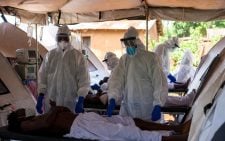
The new formulation is designed specifically for newborns and young infants, enabling more accurate dosing and safer administration.
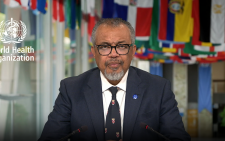
“For centuries, malaria has stolen children from their parents, and health, wealth and hope from communities,” said WHO Director-General Dr Tedros Adhanom Ghebreyesus.
“But today, the story is changing. New vaccines, diagnostic tests, next-generation mosquito nets and effective medicines, including those adapted for the youngest, are helping to turn the tide. Ending malaria in our lifetime is no longer a dream – it is a real possibility.”
Diagnostic advances and global malaria burden
Alongside the treatment approval, the World Health Organization also prequalified three new rapid diagnostic tests targeting the pf-LDH parasite protein. The tests are designed to address limitations in current HRP2-based diagnostics, which may fail to detect malaria cases where parasites have lost the HRP2 gene.
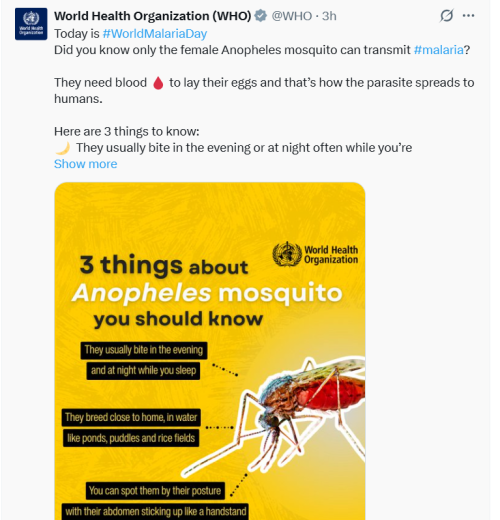
The World Health Organization reports that in some areas of the Horn of Africa, up to 80 per cent of cases have been missed using HRP2-based tests. The new diagnostic tools are expected to improve detection and support timely treatment in affected regions.
The report notes that progress has slowed due to challenges including drug resistance, insecticide resistance, diagnostic failures, and funding gaps. Since 2000, however, 2.3 billion cases and 14 million deaths have been averted through control interventions.
Kenya malaria response and health strategy
Kenya in the recent past has welcomed the development as part of ongoing efforts to strengthen malaria control and elimination strategies.
The country continues to implement interventions, including insecticide-treated nets, indoor residual spraying, rapid diagnostic testing, and community-based awareness campaigns, particularly in high-burden regions such as western Kenya and the Lake Basin.
Government health officials have emphasised the need for sustained investment, improved surveillance, and strengthened health systems to address emerging threats such as resistance to drugs and insecticides, as well as climate-related changes affecting disease transmission patterns.
Author
Latest News






Advertisement
More on Lifestyle