Advertisement
WHO declares end of Hantavirus outbreak after containment
Thursday 02nd July, 2026 06:12 PM|

The World Health Organisation (WHO) has officially declared the hantavirus outbreak linked to the cruise ship MV Hondius over, following the completion of quarantine and negative test results from the final identified contact.
In a press briefing on Thursday, July 2, 2026, WHO Director-General Tedros Adhanom Ghebreyesus confirmed that the last person known to have been exposed had safely completed the required quarantine period, tested negative for the virus, and returned home.
“Today, the final contact of a person exposed to #hantavirus on the cruise ship MV Hondius completed their quarantine period, tested negative and returned home,” Tedros said.
“No further cases have been reported since the 25th of May. Therefore, WHO considers the hantavirus outbreak over.”

You Might Also Like
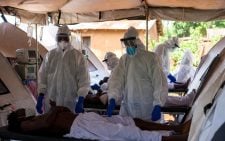


Health authorities reported no new cases since May 25, 2026, a key milestone that led to the formal declaration that the outbreak had been contained and brought to an end.
The outbreak response involved coordinated efforts between WHO, national health authorities, and the cruise operator to identify, monitor, and manage all individuals who may have been exposed during the voyage.
This included extensive contact tracing, health monitoring throughout the incubation period, targeted testing, and quarantine measures for those at risk.
WHO noted that all public health interventions implemented to prevent further spread have now been completed successfully, in line with international outbreak response protocols.
How Hantavirus is transmitted
Hantaviruses are primarily carried by rodents and are transmitted to humans through contact with infected animals or exposure to contaminated urine, droppings, or saliva. Infection can occur when airborne particles are inhaled from disturbed contaminated materials, or less commonly, through bites or surface contact followed by touching the face.
Human-to-human transmission is extremely rare and has only been documented for certain strains, including the Andes virus in South America. Most infections occur through environmental exposure rather than person-to-person spread.
Depending on the strain, hantavirus can cause severe illness, including hemorrhagic fever with renal syndrome (HFRS) or hantavirus pulmonary syndrome (HPS), both of which require prompt medical attention.
Although the outbreak has ended, health experts continue to emphasise the importance of maintaining vigilance for rodent-borne diseases, particularly in environments where contact with rodents or their habitats may occur.
Author
Latest News







Advertisement
More on News