Advertisement
World Mental Health Day: How Kenya can finally put minds to myths
Friday 10th October, 2025 11:54 AM|

Today, October 10, 2025, we join the world in observing World Mental Health Day.
This year’s theme, “Mental Health in Humanitarian Emergencies,” reminds us that taking care of our minds is just as important as taking care of our bodies. In Kenya, where floods, droughts, intercommunal conflicts, and displacement continue to affect communities, this message is especially relevant.
If you have ever felt overwhelmed, anxious, or stressed during a crisis, you are not alone. With one in five people in crisis-affected areas experiencing a mental health condition, the time has come to challenge myths and prioritise mental well-being as a foundation for resilience and recovery.
Mental health in humanitarian emergencies
World Mental Health Day serves as a powerful reminder that there is no health without mental health. This year’s campaign focuses on the urgent need to support the mental health and psychosocial needs of people affected by humanitarian emergencies.
You Might Also Like
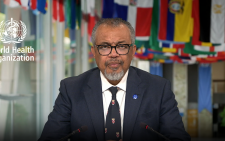
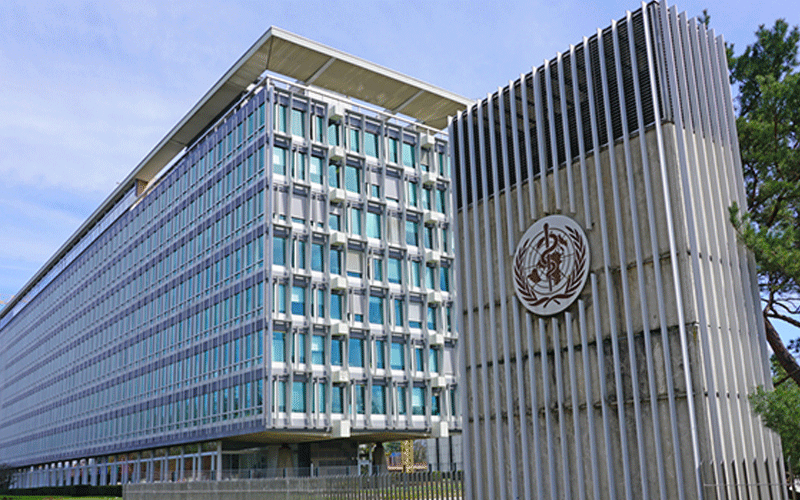
“World Mental Health Day,10 October 2025, serves as a powerful reminder that there is no health without mental health. This year’s campaign focuses on the urgent need to support the mental health and psychosocial needs of people affected by humanitarian emergencies,” read part of the WHO report dated October 10, 2025.
Kenya’s recent crises show how urgent this need is. The 2023 floods displaced over 200,000 people, and ongoing clashes in regions like the North Rift have fractured families and communities. WHO reports that nearly everyone in such situations experiences emotional distress, yet myths persist: mental health struggles are often seen as weakness or luxury concerns.
These misconceptions prevent many Kenyans, particularly in rural areas, from seeking help. Globally, over 123 million people were displaced in 2024, with 71 percent in low- and middle-income countries like Kenya. Our health systems, already stretched thin, struggle to provide even basic care, let alone specialized mental health services.
Government initiatives and community support
Kenya is making progress. The government recently integrated mental health into the national insurance benefits package under the Taifa Care Model, announced at the 2025 National Mental Health Conference.
Health Cabinet Secretary Aden Duale emphasised equitable access, using 107,000 Community Health Promoters (CHPs) to deliver person-centred support at the grassroots level. In Turkana, where drought has deepened despair, CHPs are already providing Psychological First Aid, demonstrating how local solutions can reach those in need.
Cultural myths also shape attitudes toward mental health. Many communities link emotional struggles to spiritual causes, deterring people from seeking professional help.
The Mental Health Act of 2023 and the Kenya Mental Health Policy are addressing these perceptions, promoting education and normalising conversations about anxiety, depression, and trauma. In Kisumu, community dialogues led by faith-based organisations and local leaders are helping residents talk openly about mental health, an approach encouraged by WHO, combining self-help, peer support, and professional care.
Moving forward
Kenya’s refugee and migrant populations, over 500,000 in Dadaab and Kakuma camps, face additional risks. Displacement from Somalia and South Sudan brings trauma from conflict, perilous journeys, and integration challenges.
Continuity of care is crucial, yet language barriers, discrimination, and limited access often block support. Initiatives like the Tele MANAS helpline offer critical counselling, helping Kenyans and refugees manage stress, anxiety, and trauma.
Investing in mental health is not a cost; it is a catalyst for recovery. WHO’s Mental Health and Psychosocial Support Minimum Service Package shows that timely interventions reduce suffering and strengthen communities.
In Kenya, this could mean training more psychosocial workers in counties like Garissa or supporting humanitarian workers prone to burnout. The 2025 UN High-Level Meeting on NCDs and Mental Health positioned Kenya as a continental leader, calling for collaboration across government, schools, and civil society to protect vulnerable populations.
As World Mental Health Day 2025 unfolds, Kenya stands at a crossroads. By challenging myths, investing in inclusive care, and fostering community support, the nation can ensure mental health is valued and accessible.
Stay connected, seek help when needed, and encourage others to do the same. Together, we can build a Kenya where minds not only survive but thrive, even in the face of adversity.
Author
Latest News






Advertisement
More on Lifestyle