Advertisement
How National Disaster Risk Management law will address gaps amid school fire outbreaks
Friday 29th May, 2026 12:59 PM|

The signing of the National Disaster Risk Management Bill, 2023, into law by William Ruto on Friday, May 29, 2026, comes at a time when the nation is reeling from renewed anxiety over the safety of learning institutions after a spate of fire incidents in the country, the most tragic of the recent being at Utumishi Girls Secondary, in which 16 lives were lost, leaving scores injured.
If properly implemented, the new law, which creates the National Disaster Risk Management Authority and County Disaster Risk Management Committees, may herald a new era in disaster risk management in Kenya.

Disaster response in Kenya has been largely reactive, disorganised and uncoordinated for years. Whether it is a school fire, flooding, drought or a building collapse, emergencies have exposed problems of lack of coordination, delayed response and poor equipment between national and county governments, problems of organisation and confusion as to who is supposed to act.
Gaps in disaster management
Those weaknesses were tragically highlighted by the recent incident at Utumishi Girls Academy. This inferno, which left 16 students dead and scores injured, shook the nation and brought back some of the painful memories of school fires in the past that have taken the lives of young people over the years.
You Might Also Like


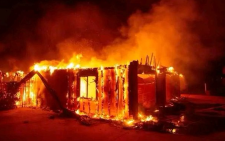
There was an immediate need to reflect on the speed of emergency response, the availability of firefighting equipment, and the readiness and implementation of safety measures and standards in boarding schools.
Gacharage Secondary School in Murang’a County experienced another night blaze as the nation mourned on Thursday, May 28, 2026, barely hours after the Utumishi Girls tragedy. The fire was contained, but there were no fatalities, prompting national anxiety and a realisation of the vulnerability of schools to disaster.
The deputy chief of staff at the state house, Josphat Nanok, has said that the law provides an all-inclusive legal and institutional framework for disaster risk management by creating the National Disaster Risk Management Authority and county committees.
“It establishes a comprehensive legal and institutional framework for disaster risk management through the creation of the National Disaster Risk Management Authority and county disaster risk management committees,” Nanok said.
Risk management efforts
The government is meant to lead on disaster risk management efforts involving all government bodies, counties and humanitarian partners. From a practical perspective, this could help to reduce the duplication, delays and institutional confusion that can be a feature of emergencies in Kenya.
A major area of deficiency that the recent school fires have shown is that schools are not prepared to prevent fires. Fire extinguishers, emergency exits, fire alarms and regular fire drills are not functioning in many schools. Too many people in a dorm can lead to fatal blazes, as can the inadequate electrical wiring in some cases.
The new law also offers an opportunity for further strengthening of prevention measures by requiring institutions to have disaster preparedness plans and better coordination between education authorities, county governments and the emergency responders.
Strengthening county disaster management
County Disaster Risk Management Committees may also be a key factor in the decentralisation of disaster response. County fire brigades, local hospitals and community rescue teams are the initial responders in many emergencies.
But counties have frequently found themselves facing shortfalls in resources, equipment and training. A framework for disaster management that is legally sound may help to standardise the disaster response systems among county governments and more effectively allocate disaster resources.

The incident at Utumishi Girls Academy and the fire at Gacharage Secondary School could now be a sore reminder of the need for better disaster preparedness systems in Kenya.
The signing of the National Disaster Risk Management Bill, 2023, is an indication of a high-level recognition that disaster events are not only emergency response activities after people have been lost, but rather they require robust disaster risk management structures that advance in protecting lives before the disaster occurs.
The bill should not be just a document on paper.
Author
Latest News








Advertisement
More on Insights