Advertisement
Senator Omogeni slams UDA-ODM deal, cites 20% scorecard ahead of review
Monday 02nd March, 2026 10:37 AM|

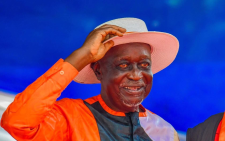
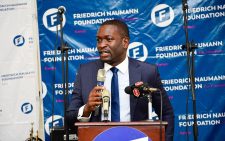
As the March 7, 2026, deadline for the 10-point agenda review fast approaches, Nyamira Senator Okong’o Omogeni has criticised the United Democratic Alliance (UDA)–Orange Democratic Movement (ODM) cooperation framework, warning that its much-publicised pact has achieved barely 20 per cent implementation.
In an interview on a local radio station on Monday, March 2, 2026, Omogeni accused the bipartisan arrangement between the ruling UDA and ODM of failing to deliver meaningful reforms for ordinary Kenyans.
“With the deadline for the 10-point agenda fast approaching, progress remains painfully slow, and the current scorecard shows barely 20 per cent implementation,” Omogeni said.
“Many Kenyans are disappointed that key promises, from improving healthcare and education to boosting infrastructure and job creation, have yet to translate into real, tangible change.”
You Might Also Like

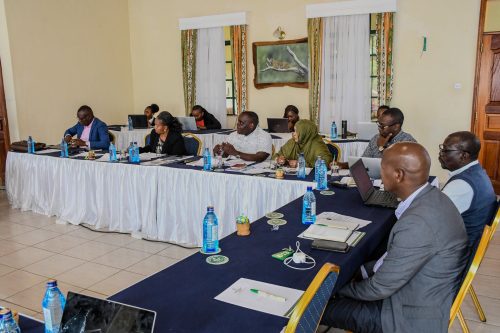
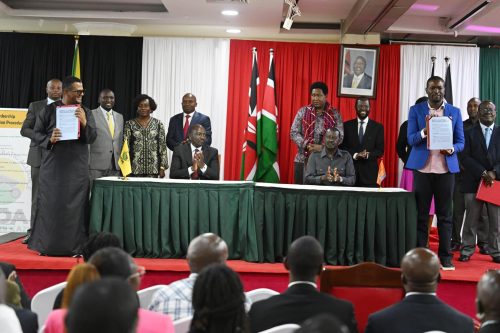
The team, formed to steer dialogue and oversee the implementation of reforms agreed upon after the 2023 political unrest, is now under mounting pressure to submit a comprehensive progress report.
The March 7 deadline was set to ensure accountability and restore public trust following months of political tensions and violent protests.
Nairobi Senator Edwin Sifuna recently escalated the debate, accusing the committee of inaction since August 2025.
“A deadline of March 7 was given to the committee for it to submit its final report. I am here to sound the alarm that the committee has 30 days to give us a final report on the memorandum of understanding. It’s been six months, and so far they have done absolutely nothing,” Sifuna said during a recent interview.
Sifuna’s remarks have amplified scrutiny over the bipartisan deal, widely seen as a political truce aimed at stabilising the country after the Azimio-led protests between March and July 2023.
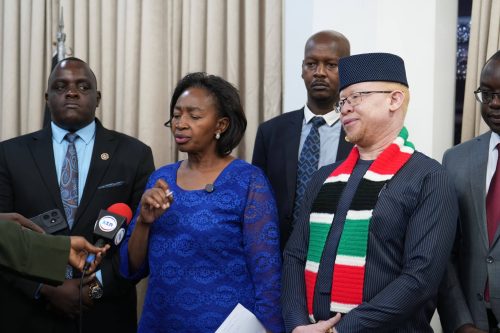
Zani defends the committee
However, the committee’s chairperson, Agnes Zani, had pushed back against claims of inertia, insisting that the committee is actively consolidating feedback from various stakeholders and is not yet ready to release a full progress update.
“We are reviewing the NADCO report and its wide range of recommendations, including electoral justice, boundary matters, the IEBC and its selection committee, and the audit of the 2022 general elections,” Zani said in an interview on February 10, 2026.
She added that the committee is also examining key provisions within the memorandum of understanding and the broader 10-point agenda, particularly issues touching on Article 43 of the Constitution, such as housing, education, healthcare, and the cost of living.
“We are also examining key issues in the MOU, the NADCO report itself, and the 10-point agenda, particularly Article 43 concerns such as housing, education, and the cost of living,” Zani explained.
Beyond socioeconomic reforms, the committee is assessing governance and political concerns that emerged during the 2023 protests.
“We are looking at political party fidelity, management of national government funds, and issues related to the offices of the Leader of the Official Opposition and the Prime Minister,” she added.
Omogeni questions political will
Despite these assurances, Omogeni maintains that the slow pace of implementation reflects a lack of political will within the UDA-ODM framework.
“The Kenyan people were promised swift action and structural reforms. Instead, what we are seeing is bureaucracy, endless reviews, and no visible transformation on the ground,” he said.
He warned that failure to deliver substantive progress before the March 7 deadline would further erode public confidence in bipartisan agreements and undermine faith in democratic institutions.
The report is expected to address contentious issues such as electoral reforms, boundary delimitation, and the audit of the 2022 general election, matters that remain politically sensitive.
As the clock ticks down, all eyes are now on the committee, whether it can present a convincing report and restore confidence in the 10-point agenda may determine the future of the UDA-ODM détente, and shape the country’s political events heading into the 2027 polls.
Author
Latest News







Advertisement
More on Inside Politics