Advertisement
Okong’o Omogeni: I would end ODM–UDA marriage if I were party leader
Tuesday 21st April, 2026 09:14 AM|

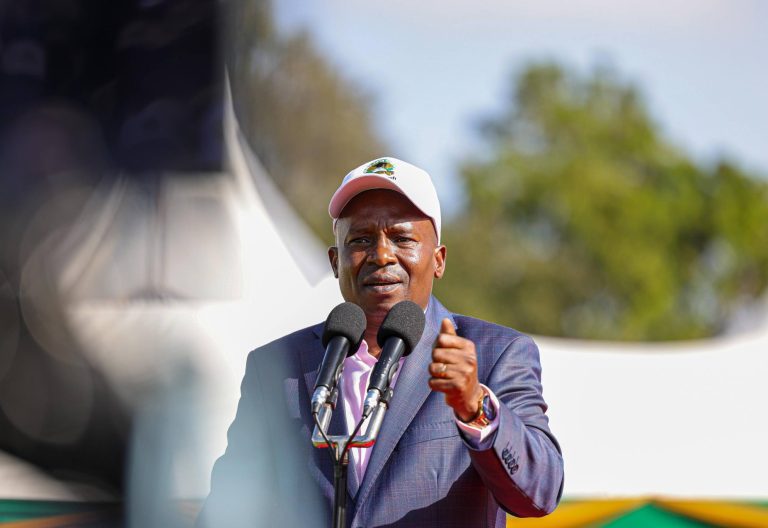
Nyamira Senator Okong’o Omogeni has stated that he would immediately terminate any political cooperation between the Orange Democratic Movement (ODM) and the United Democratic Alliance (UDA) if he were in charge of the party.
Speaking on Tuesday, April 21, 2026, during an interview with a local TV station, Omogeni questioned the long-term benefits of ODM’s current political arrangement with the ruling party, arguing that it weakens the opposition’s ability to compete effectively.
“If I were party leader of ODM, I would immediately move out of this so-called marriage with UDA,” he said.
He suggested that the arrangement has blurred political identities and reduced ODM’s influence as an independent political force.
Return to competitive politics
You Might Also Like


Omogeni urged ODM leaders to focus on rebuilding the party into a strong, competitive political machine capable of standing on its own.
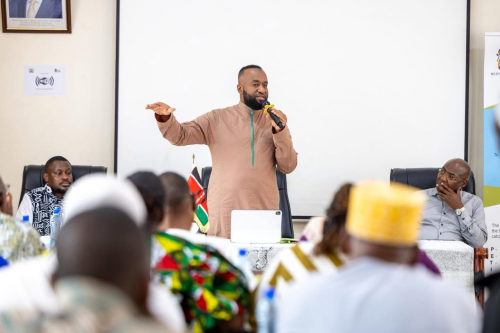
He specifically mentioned senior ODM figures such as Mining Cabinet Secretary Hassan Joho, saying if he were in Oburu Odinga’s shoes, he would tell him to resign so that he could fully re-engage in grassroots politics.
“I can see people like Joho are very active in politics; I would tell him to resign and come back to the field and seek political power the proper way by making ODM a strong party, and then you compete,” he added.
Criticism of ODM strategy
Omogeni also took issue with what he described as a shift in ODM’s political posture from seeking leadership to demanding recognition within the broad-based political arrangement.
He argued that a strong party should not depend on external alliances for respect or influence.
“That way, you will win respect even from UDA. It started with ODM demanding nothing less than a deputy president position; they are now demanding respect. That is not the way we should run a strong party like ODM,” he said.
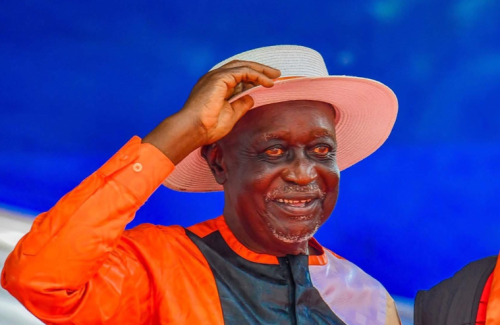
Loss of ODM strongholds
The lawmaker also raised concern over what he describes as a growing political shift in Luo Nyanza, warning that the ODM party could lose its traditional strongholds to the ruling UDA if current political trends continue.
He said the evolving cooperation and political realignments between parties have inadvertently created space for UDA to expand its influence in regions long considered ODM’s core support base.
Omogeni argued that ODM has strategically miscalculated its political engagement with UDA, warning that the arrangement has benefited its rival more than itself.
He added that the political “marriage” between ODM and UDA has helped normalise the ruling party in Luo Nyanza, allowing it to gain acceptance among aspiring leaders and voters.
“I think ODM was set up. We are now in a situation where we have gone too far. We have fallen into a trap because this marriage has popularised UDA in Luo Nyanza to the extent that candidates are saying we can contest in a ward, a constituency, and a county using UDA as a political party,” Omogeni said.
Author
Mustafa Juma
View all posts by Mustafa JumaLatest News



Advertisement
More on Inside Politics