Advertisement
Oburu defends ODM-UDA zoning plan, warns against money politics ahead of 2027 showdown
Monday 25th May, 2026 01:27 PM|

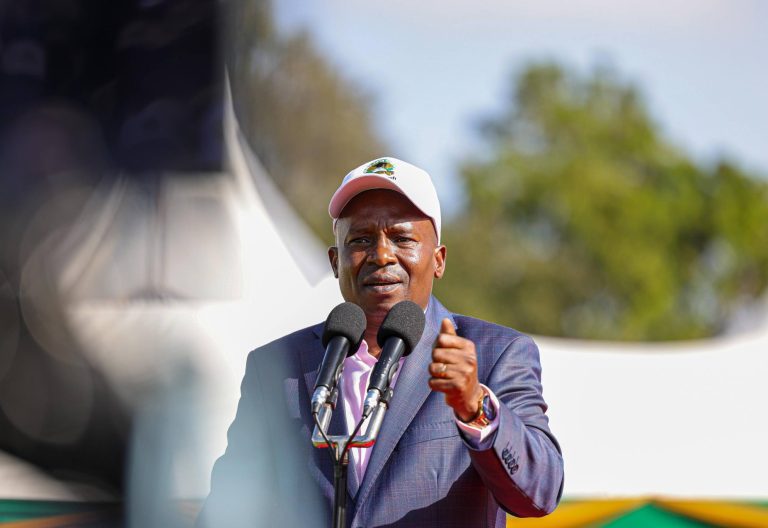
Orange Democratic Movement (ODM) party leader Oburu Oginga has openly defended the proposed political zoning arrangement between ODM and President William Ruto’s UDA party, saying the strategy is part of ongoing negotiations aimed at strengthening the broad-based government ahead of the 2027 General Election.
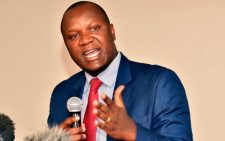
Speaking during a meeting that brought together ODM aspirants from Kisumu, Siaya, Homa Bay and Migori on May 25, 2026, in Kisumu, Oburu said zoning should not be misunderstood, insisting it was a normal political strategy that has existed in previous elections.
“What we are saying is that this region of ours is zoned for ODM. Where ODM is strong, like our area here, UDA will not field candidates. But nominations within ODM will still be free and fair,” he said.
His remarks come amid growing debate within political circles over reports of possible zoning agreements between ODM and UDA in parts of Nyanza and other regions as the two parties continue working together under the broad-based government arrangement.
You Might Also Like
Oburu clarified that the zoning discussions were not meant to lock out democracy within ODM but rather to avoid unnecessary competition between coalition partners in areas considered political strongholds.
“When we talk about zoning, we are not saying seats are being handed to individuals. Aspirants will still compete freely within ODM. Other parties are also free to bring candidates, but within the coalition, there are negotiations going on,” he said.
Zoning in political strategy
The Siaya senator further argued that zoning arrangements have historically played a role in Kenyan politics, citing the 2022 elections, where coalition partners allegedly agreed on strategic political territories.
“That thing called zoning happens in every election. Even in the last election, we had zoning arrangements. So those pretending it is something new are misleading people,” he stated.
Oburu said ODM’s main objective was to consolidate numbers in preparation for future power-sharing negotiations within the broad-based political alliance.
“We are competing so that we can win in the coming government. When negotiations come, you must show how many MPs, MCAs, and presidential votes you have brought to the table,” he said.
He warned that failure by ODM supporters in the region to unite and mobilise voters would weaken the party’s bargaining strength in future government-sharing talks.
“If this region does not unite and work hard, then do not expect a big share in government. I do not want to lead you to the wilderness. I want to lead you to government,” he said.
At the same time, Oburu urged ODM aspirants to reject what he termed as the culture of money politics, warning leaders against entering politics for personal enrichment.
“If you want to get into politics to make money, you will really regret it. Politics is about serving the people faithfully,” he said.
Drawing from his decades-long political career, Oburu said leadership should be driven by the desire to serve wananchi rather than accumulate wealth, lamenting that money had increasingly corrupted Kenya’s electoral process.
“It is money that is spoiling the politics of this country. It is making people elect those who do not deserve leadership positions,” he added.
He also assured aspirants that ODM nominations ahead of the 2027 polls would be free and fair, urging those dissatisfied with recent grassroots elections to focus on recruiting more party members instead of relying on party officials.
“The people who are going to nominate are the members, not the officials of the party,” he said.
With slightly over a year remaining before the elections, Oburu challenged elected leaders to use the remaining period to deliver tangible development projects to wananchi, saying performance would become the strongest campaign tool during the next polls.
Author
Latest News


Advertisement
More on Inside Politics