Advertisement
Ruto hosts St. John Ambulance annual parade and inspection at State House
Sunday 21st June, 2026 11:11 AM|
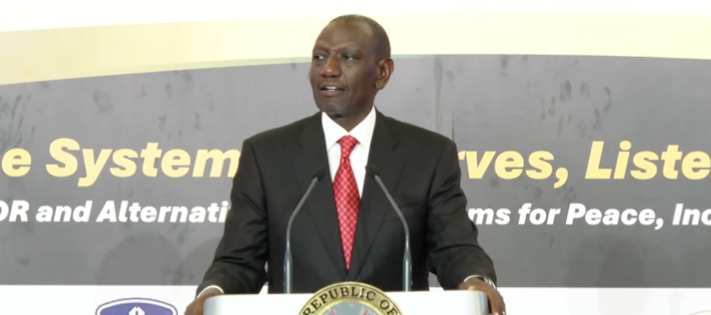
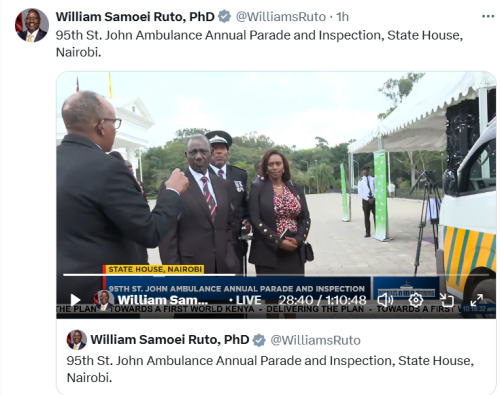
President William Ruto hosted the 95th St. John Ambulance Annual Parade and Inspection at State House, Nairobi, marking nearly a century of the organisation’s service in emergency response and community health support.
The event brought together cadets, volunteers, and officers of St. John Ambulance Kenya on Sunday, June 21, 2026, who marched in formation in a display of discipline and preparedness.
The parade highlighted the organisation’s role in providing first aid training and emergency response services across the country.
During the ceremony, St. John Ambulance teams conducted a live simulation of a road accident rescue operation, demonstrating rapid response procedures including triage, cardiopulmonary resuscitation (CPR), and patient evacuation.
You Might Also Like

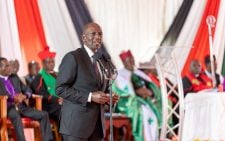

President Ruto observed the exercise and commended the volunteers for their performance, saying, “Hawa ni mashujaa!” The demonstration was used to illustrate how trained volunteers respond to emergencies where immediate action is required before professional medical teams arrive.
The inspection formed part of the organisation’s annual assessment of preparedness, skills, and coordination among its cadet and volunteer units.
Government support and operational expansion
The ceremony also came amid ongoing government support for the expansion of St. John Ambulance operations in Kenya. Earlier developments included the reallocation of the former Capitol Hill Police Station site in Nairobi to the organisation, following a government restructuring process involving multiple agencies.
The decision was part of broader administrative changes aimed at strengthening operational capacity for emergency and humanitarian services within the capital.
Officials noted that services previously linked to the facility had been redistributed to nearby police stations to ensure continuity of security coverage.
Youth training and first aid programmes
St. John Ambulance Kenya continues to expand its first aid training programmes, targeting schools, institutions, and community groups across the country. The organisation focuses on equipping citizens with basic emergency skills such as CPR, bleeding control, and disaster response.
The annual parade concluded with calls for increased youth participation in cadet programmes, aimed at building a larger pool of trained responders.
With continued government collaboration and expanded training initiatives, the organisation is expected to strengthen its role in emergency preparedness and response systems nationwide.
Author
Latest News






Advertisement
More on News