Advertisement
MP David Ndakwa pushes for investment in affordable public transport systems
Tuesday 26th May, 2026 07:43 PM|
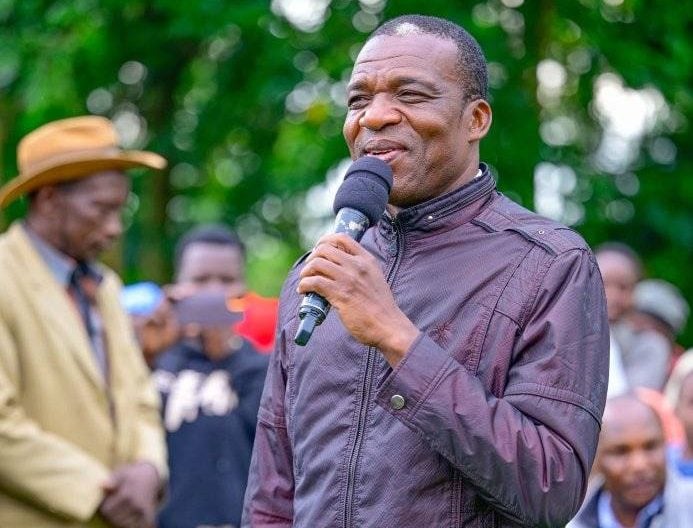
Malava Member of Parliament David Ndakwa has called for urgent investment in affordable and reliable public transport systems as Kenya continues to experience rising fuel prices.
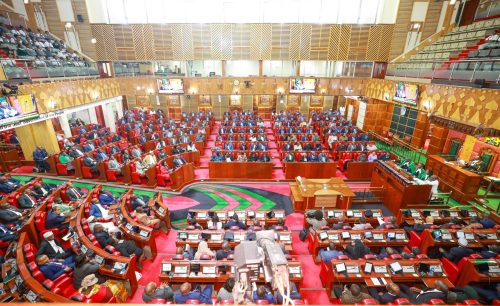
Speaking on the floor of parliament on Tuesday, May 26, 2026, Ndakwa said the increasing cost of fuel is placing a heavy burden on ordinary citizens across villages and informal settlements.
“Fuel prices are going high. It is a burden that is transferred to the common man in the villages, in informal settlements in towns; this high cost is being laid on the people whom we serve,” he said.
He noted that farmers are facing higher transport costs for produce such as sugarcane, while households are struggling with increased costs of basic needs.
You Might Also Like
Ndakwa added that the impact is largely felt by low-income earners, saying, “This ripple is devastating and it is mainly transferred to the low earners.” He urged leaders to shift from expressing concern to developing practical interventions to address the crisis.
Call for fuel stabilisation measures
The MP urged lawmakers to focus on solutions that can cushion consumers from volatile global fuel markets. He proposed strengthening the fuel stabilisation fund to reduce the impact of international price shocks on local consumers.
“When the calf sneezes, we as Kenyans here shiver,” he said, referring to how global economic events influence domestic fuel prices. Ndakwa added that the stabilisation mechanism should be actively used during periods of high fuel costs rather than remaining unused.
He stressed the need for coordinated policy action, noting that sustainable interventions are necessary to protect households and maintain economic stability.
Sector reforms
Ndakwa emphasised the need for long-term solutions through investment in affordable and efficient public transport systems. He said overreliance on private transport has increased the financial burden on workers and traders, especially during periods of fuel price increases.
“We should also invest in more affordable and reliable public transport systems because of dependence on private transport, it is a burden to workers and traders,” he said.
His remarks come amid ongoing debates over transport costs, with matatu operators previously suspending a planned strike after government discussions on diesel pricing. Concerns have also been raised by stakeholders over fare adjustments following fuel price increases, with calls for proportional pricing.
Ndakwa’s proposal aligns with broader discussions on expanding mass transit systems, including bus rapid transit and cleaner energy fleets, as part of efforts to reduce household transport costs and improve economic resilience.
Author
Latest News
Advertisement
More on News