Advertisement
Kenya faces 84% chance of experiencing PEV in 2027 – Kofi Annan report
Tuesday 14th July, 2026 11:25 AM|

A report by the Kofi Annan Foundation has predicted that Kenya faces an 84.1 per cent probability of experiencing electoral violence during the August 2027 General Election.
The Electoral Vulnerability Index 2026–2027 says Kenya remains politically sensitive despite having stronger institutions, an active civil society and an established electoral system.
The report that was released on Monday, July 13, 2026, gives Kenya a vulnerability score of 45.4, below the Sub-Saharan African average of 51.1. However, it warns that the country has never completed an election cycle without some form of violence.
“Kenya’s EVI Risk Index of 45.4 is modestly below the country-excluded Sub-Saharan African Risk Index baseline, but the country remains electorally sensitive,” the report read in part.
You Might Also Like



Kenya’s most severe electoral crisis occurred after the disputed 2007 presidential election, when more than 1,000 people were killed and hundreds of thousands displaced.
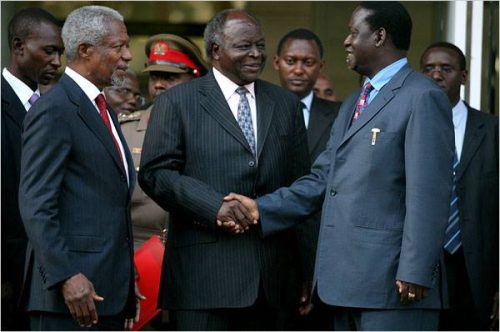
Subsequent elections have also been marked by deaths, political confrontations, police violence and disputes over presidential results.
Economic pressure and opposition changes raise risk
The foundation identifies economic hardship, unemployment, taxation disputes, corruption concerns, police conduct and youth-led activism as factors that could influence the 2027 election.
It warns that the election could become a platform for citizens to demand accountability over the rising cost of living, fuel prices, police brutality and unresolved protest-related deaths.
“Economic hardship, tax protests, opposition mobilisation, debates over the cost of living, and public anger over corruption and police conduct have marked the political environment since 2022.
“Youth-led protests and civic activism have shown that grievances can mobilise beyond traditional party structures. The 2027 cycle may therefore combine conventional presidential competition with broader accountability demands,” it added.
The report also highlights uncertainty within the opposition following the death of former Prime Minister Raila Odinga in October 2025.
According to the foundation, Raila’s absence could weaken opposition mobilisation or trigger a succession contest that produces new alliances and unpredictable political formations.
The report says public anger witnessed through recent protests could merge with election disputes, increasing the possibility of violence before, during or after the vote.

IEBC, police and Judiciary put on notice
The Independent Electoral and Boundaries Commission, the National Police Service and the Judiciary have been identified as the institutions most critical to preventing electoral violence.
The foundation says the IEBC must conduct transparent procurement of election technology, publish clear timelines and protect the credibility of results transmission.
Police have been urged to remain politically neutral, protect human rights and use proportionate force when managing rallies, demonstrations and election-related unrest.
The Judiciary, particularly the Supreme Court, is expected to provide a lawful avenue for resolving presidential election disputes.
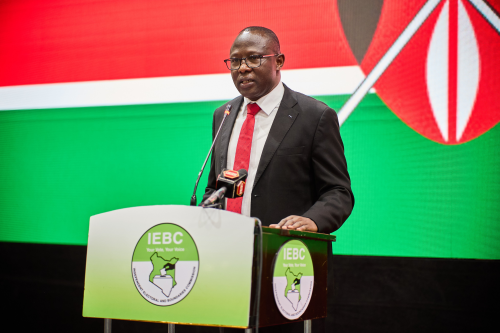
However, the report says the courts can only play that role effectively if political parties preserve evidence, respect judicial processes and accept court decisions even when dissatisfied with the outcome.
Civil society organisations and the media have also been urged to strengthen civic education, peace messaging and election monitoring ahead of the 2027 polls.
Author
Latest News







Advertisement
More on News