Advertisement
Inside ODM’s plot to ringfence its strongholds while negotiating with UDA
Sunday 08th March, 2026 07:39 AM|
A political tiff between the Orange Democratic Movement (ODM) and the ruling United Democratic Alliance (UDA) may soon become rife if the two factions fail to reach a solid pre-election pact on zoning in areas considered their strongholds ahead of the 2027 General Election.
Fresh signals from ODM politicos indicate the party is quietly preparing for an aggressive electoral push that could see it field candidates for nearly all elective positions nationwide, a strategy that may undermine UDA efforts to negotiate seat-sharing arrangements.
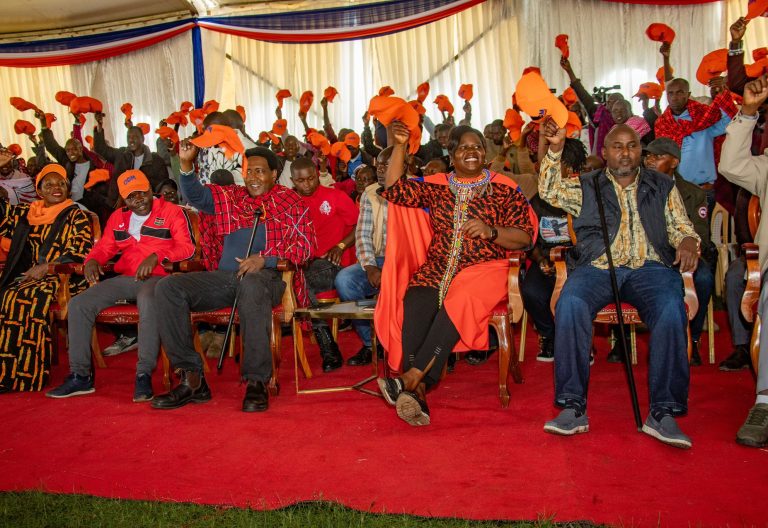
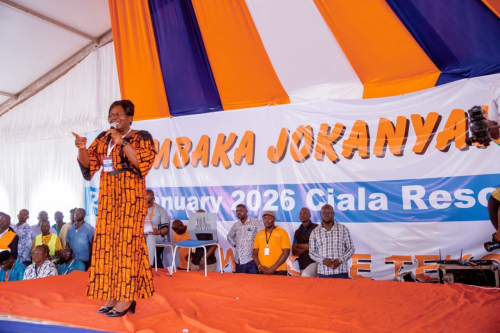
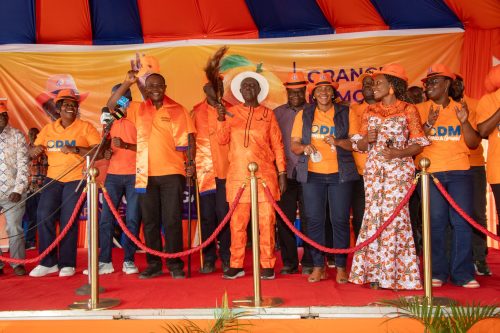
The emerging strategy was hinted at during the ODM Linda Ground Special Edition meeting in Narok County on Saturday, March 7, 2026, where the outfit’s chairperson, Gladys Wanga, rallied supporters to embrace what she termed a five-piece voting approach to strengthen ODM’s bargaining power in future political negotiations.
Under the plan, supporters would vote overwhelmingly for ODM candidates across the ballot, from Member of County Assembly to governor, ensuring the party retains a dominant grassroots structure regardless of coalition dynamics at the national level.
You Might Also Like
Wanga framed the strategy as a defensive political move, arguing that strong electoral numbers are critical if ODM is to negotiate effectively with potential partners, including UDA.
“We should not go to the negotiating table when we are afraid. We should look for all these seats right from the MCA, MP, Women Rep, Senator, and Governor so that our party can also be strong. When you go to the negotiation table with an empty bucket, you will not be given anything,” Wanga said.
This signals a deliberate attempt by ODM to consolidate its base ahead of any formal alliance discussions with UDA, which has been pushing for zoning arrangements to avoid internal competition in certain regions.

Which way, ODM?
“Nataka niwahakikishie kwamba chama yetu iko imara, na tutasimamisha watu kutoka kwa MCA, mpaka mbunge, mpaka gavana, mpaka senator. Kiti chochote ambacho ODM inahitaji, itasimamisha watu,” Junet said.
He further warned that ODM leaders are under pressure from grassroots supporters not to compromise their political territory through zoning deals.
“Hakuna kiti chochote tutawachia UDA. Kama UDA wako na mpango kama huo, wajipange mapema,” he stated.

The remarks have intensified speculation about growing friction between the two parties, which have in recent months maintained a cautious political engagement amid shifting alliances.
Key to the tension is ODM’s renewed push for the deputy president position in any potential coalition arrangement, a demand that some UDA supporters interpret as a challenge to the influence of Deputy President Kithure Kindiki and his allies ahead of the 2027 succession politics.
Moreover, ODM controlling key parliamentary and county positions would allow the party to negotiate from a position of strength should coalition talks materialise.
Junet, however, maintained that political dialogue between the parties would continue despite the growing competition.
“Lakini tutazungumza kama vyama viwili,” he said.
The 2027 battle
The developments show a familiar pattern in Kenyan politics where parties simultaneously prepare for cooperation and competition.
While UDA remains keen on zoning arrangements to avoid splitting votes in key battlegrounds, ODM appears determined to test its popularity independently before committing to any pre-election pact.
“This is a predatory, bad-faith operation aimed at weakening ODM at a vulnerable moment as the party reorganises following the death of our former party leader, Rt Hon. Raila Amollo Odinga,” ODM Deputy party leader Godffrey Osotsi said, terming the developments a hostile takeover.
The unfolding strategy suggests that rather than relying solely on coalition arithmetic, ODM is investing heavily in rebuilding its grassroots machinery across the country.
If the five-piece voting campaign gains traction in the party’s traditional strongholds, it could significantly reshape the negotiating dynamics ahead of 2027, forcing UDA to rethink its zoning proposal or risk facing ODM candidates across multiple electoral contests.
For now, both sides insist that dialogue remains open. But the early signs of electoral positioning indicate that the road to a united political front ahead of 2027 may be far from smooth.
Author
Latest News





Advertisement
More on Inside Politics