Advertisement
WHO adds sunscreen to essential medicine list to cushion persons with albinism
Saturday 06th September, 2025 12:24 PM|
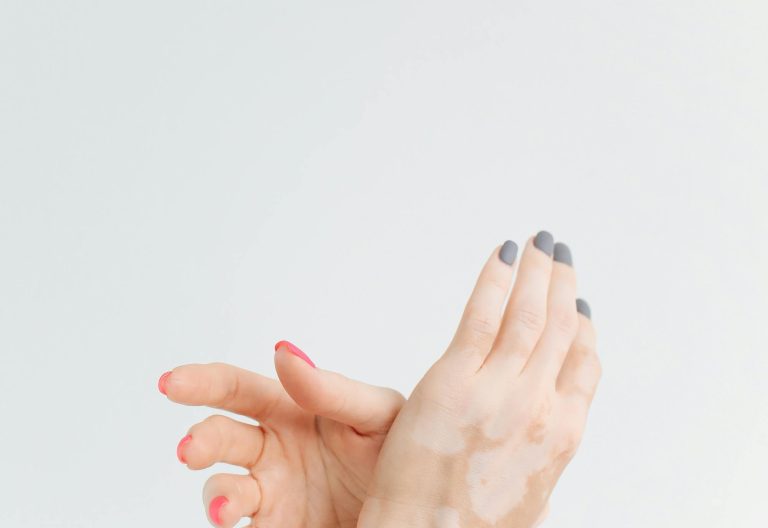
In a landmark decision, the World Health Organisation (WHO) has officially added sunscreen to its Model List of Essential Medicines, a move hailed as transformative for persons with albinism worldwide.
The announcement on September 5 marks a significant step in addressing the heightened risk of skin cancer faced by this vulnerable group.
Spearheaded by Muluka-Anne Miti-Drummond, UN Independent Expert on the enjoyment of human rights by persons with albinism, the campaign reclassifies sunscreen from a cosmetic to an essential medicine, highlighting the importance of preventive care in global health.
“For individuals whose lives are defined by vulnerability to ultraviolet radiation, access to sunscreen is life-changing,” Miti-Drummond said during a public session in Geneva earlier this year.
You Might Also Like
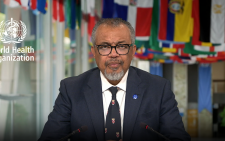
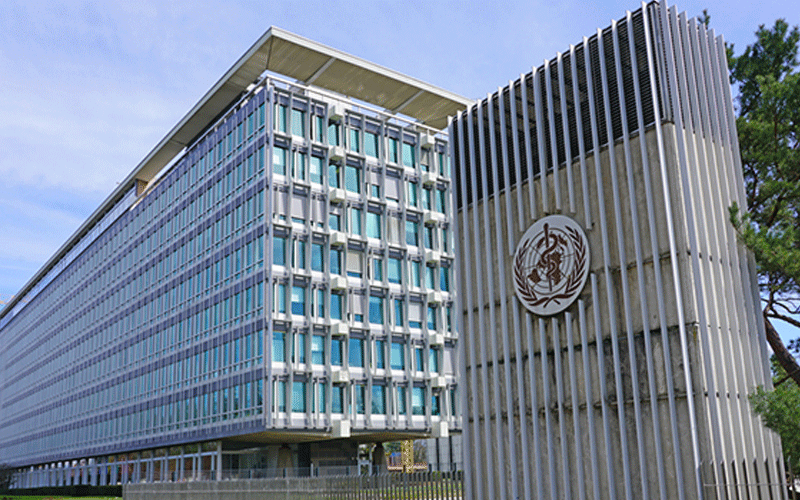
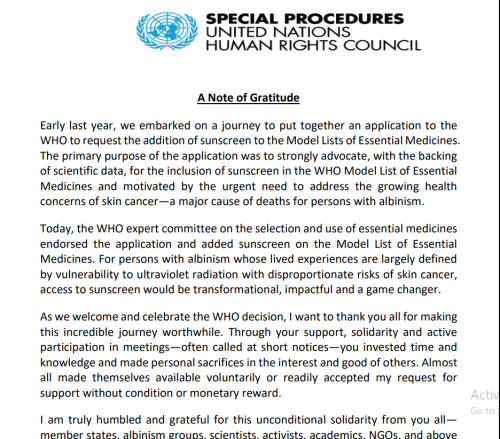
“Today, the WHO expert committee on the selection and use of essential medicines endorsed the application and added sunscreen to the Model List of Essential Medicines. For persons with albinism whose lived experiences are largely defined by vulnerability to ultraviolet radiation with disproportionate risks of skin cancer, access to sunscreen would be transformational, impactful and a game changer,” read part of the statement.
Global campaign for change
The initiative began in May 2022, read the statement, when the Albinism Secretariat approached the WHO Essential Medicines List (EML) Secretariat to explore the inclusion of sunscreen.
Over the next two years, advocates, including the Global Albinism Alliance, the Pierre Fabre Foundation, and Beyond Suncare, worked tirelessly to strengthen the application. After an initial rejection in July 2023, the team, with new partners such as the Africa Albinism Network, resubmitted a revised proposal in November 2024.
The campaign drew on global support through an online petition and 20 letters from countries, including Tanzania. Personal testimonies, like that of Clara Maliwa, a skin cancer survivor with albinism, were instrumental in swaying the WHO expert committee, which approved the listing after a rigorous review in May 2025.
Local access
In Kenya, the Albinism Society of Kenya (ASK) has partnered with Linton Cosmetics to improve accessibility and affordability of sunscreen. Led by Chairperson Isaac Mwaura, the collaboration offers a plant-based sunscreen at half the original price, Sh1,250 instead of Ksh 2,500. Joyce Gikunda of Linton Cosmetics emphasised the focus on quality, reducing skin cancer risks, and combating stigma.
“This dual approach—global recognition and local innovation—provides a lifeline for individuals with albinism, enhancing both health and dignity,” Mwaura said. Experts note that in sub-Saharan Africa, where 90% of persons with albinism die before age 30 due to UV exposure, the decision has profound implications for survival and quality of life.
The move underscores the power of advocacy and collective action, celebrating resilience while setting a precedent for preventive care as an essential component of global health policy.
Author
Latest News




Advertisement
More on News