Advertisement
CS Mugaa: Kenya targets 100% water access by 2030 amid rapid population growth
Thursday 19th March, 2026 08:12 AM|

The Ministry of Water, Sanitation, and Irrigation has reaffirmed its commitment to achieve universal water access by 2030 amid grappling with a surging population that is outstripping existing infrastructure.
Appearing on a TV interview on a local station on Wednesday, March 18, 2026, the Cabinet Secretary Eric Mugaa provided a progress report on the nation’s “Vision 2030” goals.

“Currently, we are at around 74 % national water access in regulated areas, and we are working towards a 100 % access that is vision 2030,” Mugaa stated.
Current progress and the 2030 Goal
You Might Also Like



According to the CS, current data shows that water coverage in regulated areas has reached a critical milestone, though it remains far from the ultimate target of total inclusivity.
He stated that as more people move to urban centers and the national population continues to climb, the demand for clean water is rising faster than pipes can be laid.
“There are challenges in the process; one of them is the pudding population growth versus the amount of investment required,” Mugaa stated, highlighting that infrastructure planned a decade ago is now being pushed to its limits by today’s density.
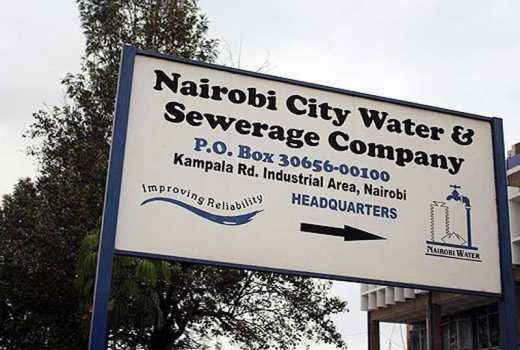
Nairobi City water sources
Nairobi relies on a sophisticated network of rivers, dams, and pipelines to sustain its four million residents, yet water shortages remain a persistent reality across the capital.
With a growing population nearing five million, the city’s daily demand has surged to a million liters.
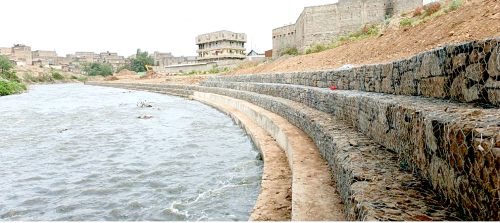
The bulk of this supply is drawn from the Aberdare Ranges and surrounding catchments, primarily through the Ndakaini, Sasumua, and Ruiru dams.
Once treated, the water is then pumped and stored in large reservoirs and service tanks, which are positioned all around the city, and from here, pumping stations use pipes to pump the water to thousands of homes, businesses, hospitals, and also industries.
Author
Emmanuel Rono
Rono is a digital journalist with a proven track record in newsroom leadership and content creation. Currently a Digital Writer for People Daily Digital, Emmanuel’s career is rooted in a lifelong passion for storytelling. Let's talk here: [email protected] or [email protected]
View all posts by Emmanuel RonoLatest News






Advertisement
More on News