Advertisement
When pulpit meets ballot: How faith leaders influence Kenya’s politics
Friday 05th September, 2025 02:05 PM|
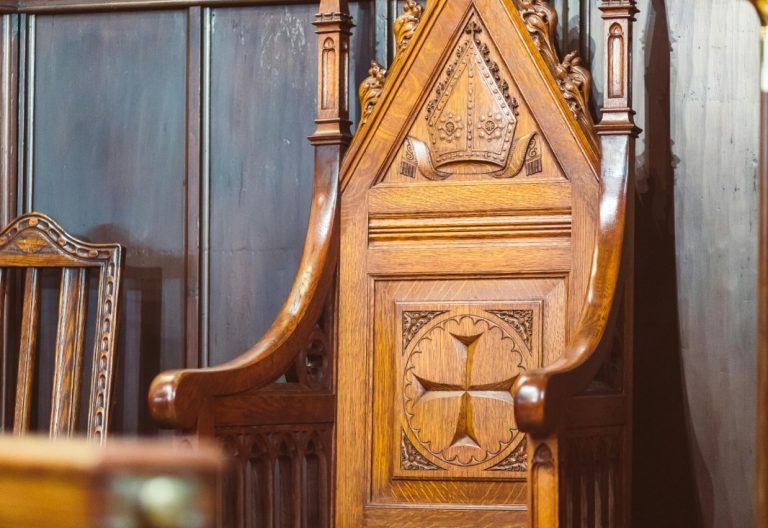
In Kenya, the intersection of religion and politics is more than a footnote; it’s a defining feature of the nation’s political landscape. Faith leaders wield influence that stretches far beyond the pulpit. Their sermons, pronouncements, and public endorsements have the power to shape voter behaviour, sway public opinion, and even impact policy decisions.
Churches in Kenya are more than spiritual hubs; they are economic powerhouses.
Mega churches regularly collect millions of shillings in tithes and donations, and these funds often flow into lavish infrastructure, media campaigns, and outreach programs.
Politicians have long recognised this influence, and some go to great lengths to gain favour. It is not uncommon for political aspirants to pour millions into church coffers in exchange for endorsement or access to large congregations.
You Might Also Like


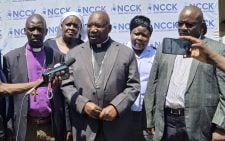
This infusion of money has created a subtle but significant dependency.
In many cases, faith leaders may feel compelled to maintain ties with politicians who bankroll church projects.
While this can expand church activities and increase congregational reach, it also raises questions about the independence of spiritual institutions and the integrity of their guidance.
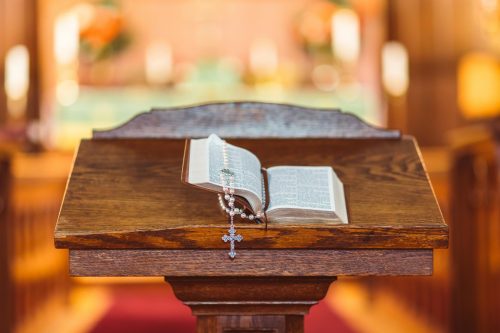
Chaos behind the sermon
The marriage of politics and the pulpit is not without consequences.
Rival politicians often use church events as stages for political theatre, sometimes sending supporters or “goons” to assert dominance or disrupt opposition messaging.
These incidents have occasionally led to chaos inside sanctuaries, putting congregants at risk.
Despite repeated disturbances, some faith leaders continue to invite politically ambitious figures into their services, seemingly prioritising financial contributions or political visibility over congregational safety.
This dynamic underscores a persistent tension: the pulpit remains a revered space for worship, yet it has been transformed into a theatre of political influence.
Faith leaders, whether knowingly or unconsciously, navigate this tightrope between spiritual guidance and political opportunism, often at the expense of the very flock they are meant to protect.
Enduring moral responsibility
Despite the controversies, faith leaders remain among the most trusted voices in Kenya. Politicians court them for endorsements and legitimacy because their congregations represent significant voting blocs.
Yet the intertwining of politics, money, and religion poses ethical dilemmas. Congregants are left wondering whether their spiritual guidance is being compromised for financial gain or political advantage.
As elections loom, the pulpit will continue to be a potent instrument in Kenya’s democracy. The challenge lies in preserving its sanctity while navigating the pressures of money and politics, a lesson that, despite recurring chaos and controversy, faith leaders have yet to fully master.
Author
Latest News






Advertisement
More on Insights