Advertisement
Kenya aviation workers strike: July 20 or July 27? KAWU timeline explained
Sunday 19th July, 2026 09:43 AM|
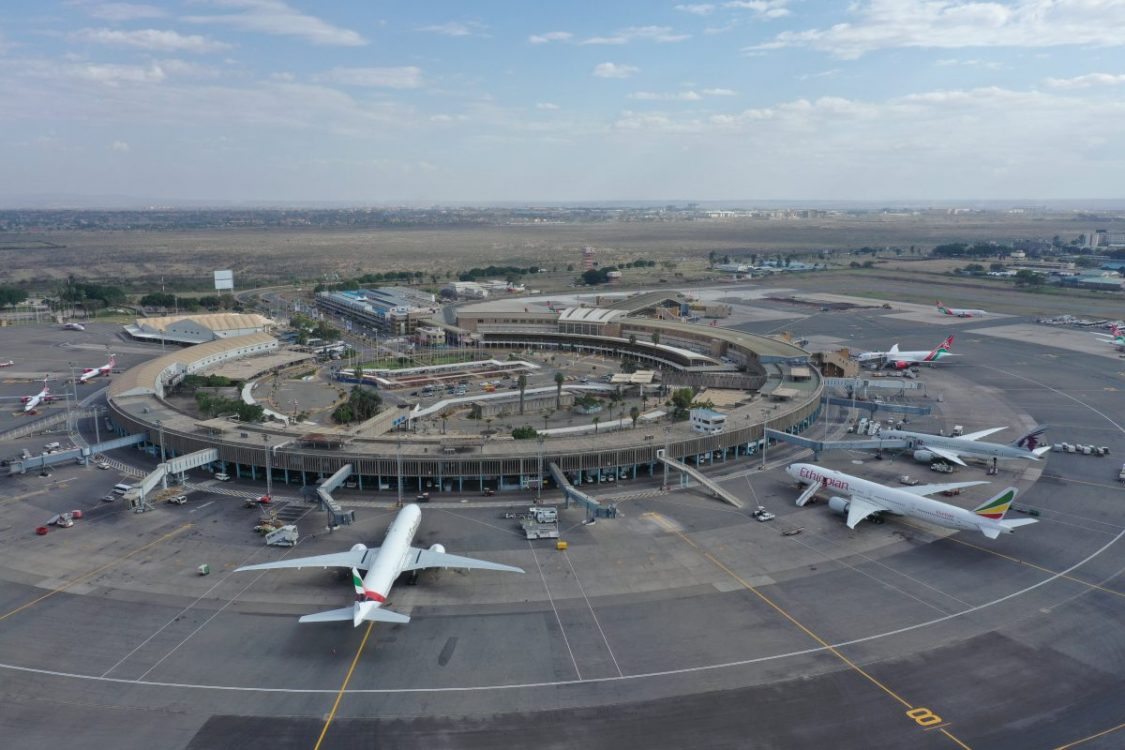
A fresh strike notice from the Kenya Aviation Workers Union has created uncertainty over whether aviation workers will withdraw their services on July 20 or July 27, 2026.
Available details indicate that Monday, July 20, 2026, is the effective date of the seven-day notice. If the dispute is not resolved during that period, industrial action could follow from Monday, July 27, 2026.
KAWU Secretary-General Moss Ndiema announced the notice on Friday, July 17, 2026. He said it covers union members employed by the Kenya Civil Aviation Authority, Kenya Airports Authority, Kenya Airways and Jambojet.
The notice itself does not cancel any flight. Passengers should continue relying on their airlines for confirmed flight information.
Kenya aviation strike at a glance
- KAWU announced the seven-day notice on July 17, 2026.
- The notice is set to take effect on Monday, July 20, 2026
- A walkout could follow after the notice expires.
- The potential strike date under that timeline is Monday, July 27, 2026.
- KCAA, KAA, Kenya Airways and Jambojet employees are covered.
- No flight is cancelled automatically because of a strike notice.
- The dispute could still be resolved through negotiations.
When could aviation workers down their tools?
You Might Also Like

Public reports have described the timeline differently.
Some reports state that aviation workers will down their tools on July 20, 2026. However, Ndiema’s statement indicates that travellers could experience disruption seven days from that date.

“Seven days from Monday, you are likely to face inconveniences and challenges,” Ndiema said.
According to KAWU, the formal notice would be received on Monday, July 20, 2026, and the walkout could begin on July 27, 2026, if relevant authorities fail to address their grievances.
Which organisations are covered?
The notice covers workers at four major aviation institutions.
KCAA regulates civil aviation and provides air navigation services. KAA manages Kenya’s public airports, including Jomo Kenyatta International Airport, Moi International Airport, Kisumu International Airport and Eldoret International Airport.
Kenya Airways and Jambojet operate domestic, regional and international passenger flights.
The inclusion of KCAA and KAA means any industrial action could extend beyond flights operated by Kenya Airways and Jambojet.
Other airlines are not parties to the employment dispute identified by KAWU. However, they use air navigation and airport services provided through KCAA and KAA.
The possible effect on individual flights would depend on the employees participating, the services withdrawn and any contingency arrangements introduced by the affected organisations.
KAWU has not publicly specified how many employees will participate. Public reports have also not identified every department that could withdraw its services.
It would, therefore, be premature to state that all Kenyan airports or flights will shut down.
Why has KAWU issued the strike notice?
KAWU has linked the notice to long-running labour disagreements involving collective bargaining, employment contracts and union representation.

The union said agreements reached with workers had not been fully implemented. It also raised separate concerns involving employees at the four institutions.
Ndiema told AFP that the dispute includes stalled collective bargaining arrangements, contractual matters and union representation at Jambojet.
During the July 17, 2026 announcement, KAWU described the dispute as involving persistent violations of collective bargaining agreements.
These are KAWU’s stated positions in the labour dispute. The strike notice does not, by itself, establish wrongdoing by any of the four employers.
“We want a successful, prosperous aviation sector, but that cannot be achieved at the detriment of workers’ rights,” Ndiema said.
The union called for intervention before the notice expires. It said its objective was to have outstanding employment matters addressed.
February agreement returns to the centre of the dispute
The latest notice comes five months after another KAWU strike disrupted Kenya’s aviation sector.
Workers downed their tools on February 16, 2026, following a dispute involving KCAA. The industrial action affected air traffic operations and caused flight delays and cancellations.
It ended on February 17, 2026 after a meeting involving KAWU, KCAA, KAA, the Ministry of Roads and Transport and the Ministry of Labour.
In its official statement, the Transport Ministry confirmed that the parties had agreed to an immediate return to work.
The agreement included a review of representation for some KCAA employee grades. The Ministry of Labour was also expected to support a conciliation process covering the remaining issues.
KAWU called off the strike after the parties adopted the return-to-work arrangement.
The union has now returned to industrial action procedures after saying some employment matters remain unresolved.
The latest notice has a broader scope because it includes workers at KCAA, KAA, Kenya Airways and Jambojet.
How serious was the February strike?
The February 2026 stoppage demonstrated how aviation labour disputes can affect passengers even when they last for a short period.
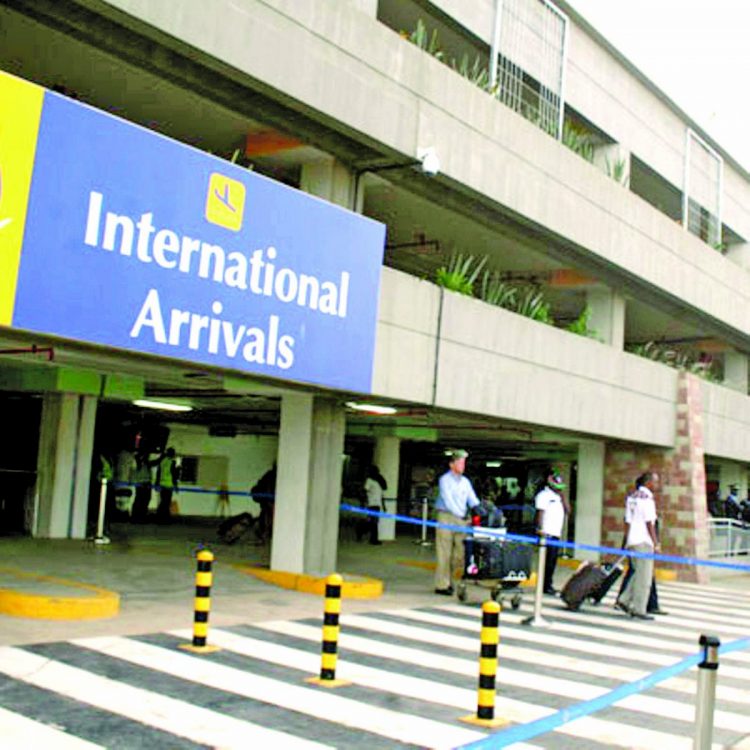
Jomo Kenyatta International Airport experienced delays affecting departures and arrivals. Airlines adjusted schedules as the disruption continued.
Kenya Airways warned passengers about delays and advised them to confirm their flight status before travelling to JKIA.
Jambojet later reported that it cancelled more than 40 flights at the height of the disruption. The airline said more than 5,000 passengers were affected.
After the agreement, airlines needed additional time to clear passenger backlogs and restore their schedules.
The February 2026 disruption does not mean the July 2026 notice will produce the same outcome. Negotiations could prevent another strike. The affected institutions could also introduce measures to keep some services operating.
Are flights scheduled for July 20 cancelled?
The start of the seven-day notice on July 20 does not automatically cancel flights.
Passengers booked to travel on that date should not change or abandon their journeys unless they receive instructions from their airline.
A strike notice gives the parties time to negotiate. It is different from an active withdrawal of labour.
Travellers scheduled to fly from July 27, 2026 should pay closer attention to developments because that is when industrial action could begin under the reported timeline.
Even then, passengers should not assume their flights are cancelled. Airlines must communicate delays, cancellations or changes affecting specific bookings.
What passengers should do
Passengers travelling during the notice period should:
- Confirm their flight status directly with the airline.
- Monitor official KCAA, KAA and airline communication channels.
- Check for schedule changes before leaving for the airport.
- Keep booking references and airline contact details available.
- Review rebooking and cancellation conditions attached to their tickets.
- Avoid relying on unverified social media posts about airport closures.
Author
Latest News








Advertisement
More on Insights