Advertisement
Disquiet in Nyanza as ODM and UDA leaders openly clash over zoning plans
Tuesday 07th April, 2026 06:47 PM|

For some time, a section of Orange Democratic Movement (ODM) elected leaders have taken a hard line on zoning with the United Democratic Movement (UDA) as a cornerstone of pre-election negotiations ahead of the 2027 general elections.
They argued that, to support William Ruto’s re-election, UDA should not field any candidates in regions currently held by ODM.
Further, they are demanding that the agreement divide positions on a 50-50 basis, including the Deputy President position if Ruto contests the presidency.
The proposed zoning is intended to prevent ‘friendly fire’ between ODM and UDA candidates in ODM’s traditional bases, ensuring the party retains its influence.
You Might Also Like
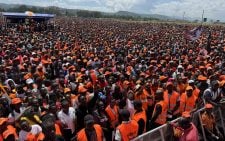

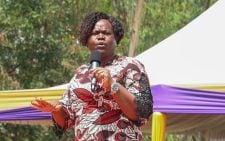
UDA has already made inroads in the Nyanza region, and there are already several aspirants positioning themselves to face ODM candidates for various seats, ranging from MCA to governor positions.
Supporting the zoning
According to Homa Bay Governor Gladys Wanga and Town Member of Parliament Opondo Kaluma, Homa Bay remains an ODM zone, and they will not allow any other political party to gain ground in the region.
Wanga, who is also the ODM national chairperson, has declared the county and the broader Nyanza region to be an ODM zone and will not tolerate opposition, specifically warning against UDA infiltration.
Wanga insisted that any coalition agreement with UDA must include a clear zoning formula that guarantees ODM a fair and respectable number of seats in regions where it has strong support.
“ODM will not be a ‘junior affiliate’ to UDA, and we expect a 50-50 power-sharing structure where ODM controls its traditional strongholds,” she insisted.
According to Kaluma, who is the Homa Bay branch chairman, UDA should know that any negotiations to support Ruto can only be conducted through ODM.
“I want to tell our friends in UDA: if you think you can have members here in Homa Bay, it will take away votes from the President,” Kaluma warned.
“In fact, if you want to destroy our relationship, try fronting any other party besides ODM here in Homa Bay,” he added.
“Our irreducible minimum as ODM members is that Homa Bay is an ODM zone, and it will only be for ODM members seeking elections on behalf of any coalition, before and after the elections,” Kaluma said while chairing party County branch delegates.
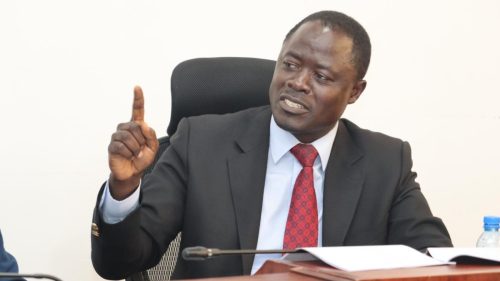
While a section of ODM leaders have pushed for this agenda, it has met resistance from UDA members and some local leaders who argue for open competition and reject boardroom zoning.
Homa Bay branch UDA Secretary Silas Jakakimba, who has declared his interest to run for the Suba North Parliamentary seat on a UDA ticket, came out gun blazing, terming the agenda as “total crap and flatly stupid.”
Jakakimba said that all current leaders countrywide seeking re-election in 2027 will only be re-elected based on the citizens’ choice and indeed the voters.
Separately, he said that new aspirants will also be elected to leadership positions based on credible and demonstrable prosecution of their alternative development agenda.
“Most importantly, our people will make ballot choices not based on party affiliation but purely on the platforms and programs of candidates that prioritise grassroots development over their egoistic and selfish interests,” he replied to Kaluma’s statements.
Competition overrides zoning plans
Millie Odhiambo, who currently serves as the Suba North MP, however, welcomed competition come the 2027 elections, saying the position does not belong to anyone.
“I notice there is a mention of two UDA candidates in Suba North. I welcome your competition in Jesus’ name (at a personal level); the antelope does not belong to anyone.”
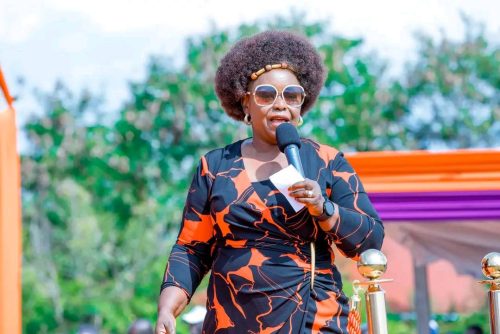
Mark Matunga, who has registered with UDA to vie for the Homa Bay Governor seat, termed the push for zoning as a minimum condition for partnership “flat-out wrong.”
Matunga said that if Kenya adopts a zoning system where only leaders from certain regions hold top positions, it will lead to marginalisation.
“Regions like North Eastern Kenya might be left out, exacerbating poverty and underdevelopment,” Matunga noted.
He added that the agenda might also lead to ethnic tension, with a perception that certain ethnic groups are favoured, causing friction between communities.
Further, Matunga said it will lead to inequality, where resources and development will be concentrated in certain areas, widening regional disparities, and may also lead to voter apathy and low turnout come the next elections.
At the same time, Matunga said the zoning system can limit the choices available to voters, undermining the principles of democracy and meritocracy.
“A zoning system that restricts the field of candidates, preventing voters from choosing the best person for the job regardless of region or ethnicity, will suffocate democracy,” he noted.
Author
Latest News






Advertisement
More on Inside Politics