Advertisement
How the Middle East conflict could make ugali more expensive across East Africa
Wednesday 01st July, 2026 04:14 PM|
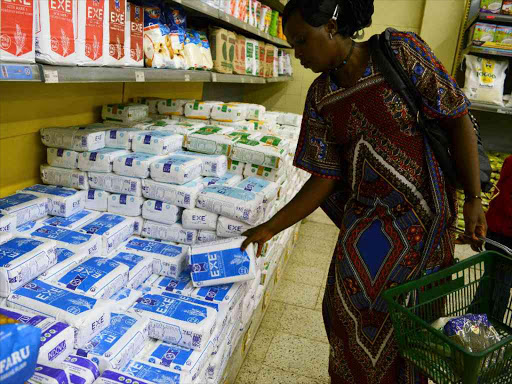
The price of a packet of maize flour on supermarket shelves in Nairobi may increasingly be determined not only by Kenya’s harvests or local inflation but also by events unfolding thousands of kilometres away in the Middle East.
A new report by the Food and Agriculture Organisation (FAO) and the World Food Programme (WFP) warns that the ongoing conflict in the Middle East is creating ripple effects across global food supply chains, threatening to push up the cost of fuel, fertiliser, shipping and ultimately staple foods across Eastern Africa.
While the immediate impacts are being felt in conflict-hit countries such as Somalia and South Sudan, Kenya’s economy is unlikely to remain insulated given its dependence on imported fuel, fertiliser, and regional trade.
“The ongoing conflict in the Middle East entails significant disruptions for global agrifood markets,” the report says, warning that increasing fuel and fertiliser costs, supply chain disruptions and reduced household purchasing power are likely to worsen food insecurity across Eastern Africa.
You Might Also Like


The report traces the problem to one of the world’s most strategic maritime routes, the Strait of Hormuz. Nearly a quarter of global seaborne oil trade, together with substantial volumes of liquefied natural gas and fertilisers, passes through the narrow waterway. Disruptions to shipping caused by the conflict have increased freight and insurance costs while tightening fertiliser supplies.
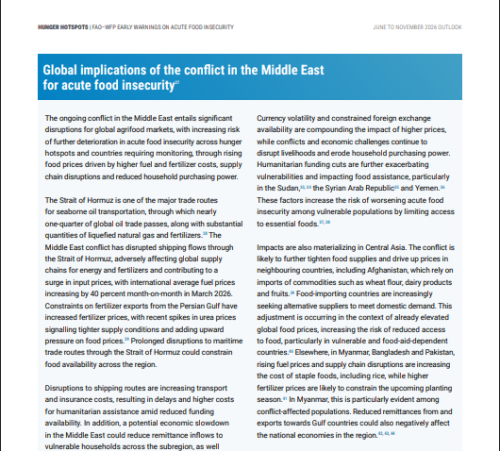
According to FAO and WFP, international fuel prices rose sharply during the early months of 2026, while urea fertiliser prices also recorded significant spikes, increasing production costs for farmers worldwide.
For Kenyan consumers, the consequences unfold through a chain that begins far from local farms. Fuel imported through global markets arrives at the Port of Mombasa at higher prices because of increased shipping costs.
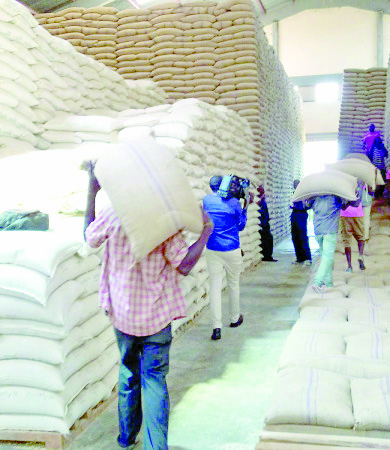
Transporters then pay more to move grain and other commodities inland, millers face higher production expenses, wholesalers pass those costs to retailers and, eventually, households pay more for essential foods such as maize flour.
The report notes that across Eastern Africa, rising fuel, fertiliser, and food import costs are already placing upward pressure on prices. Countries including Somalia and South Sudan, both heavily reliant on imported food and humanitarian supplies, are expected to experience worsening food inflation as transport costs increase and purchasing power declines. Those same pressures inevitably affect Kenya because it serves as the region’s principal logistics and trading hub.
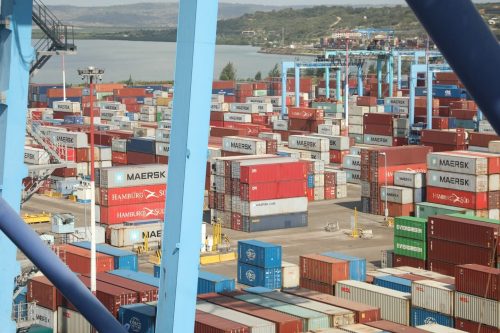
Kenya’s role extends beyond its own borders. The Port of Mombasa is the main gateway for imports destined for Uganda, South Sudan, eastern Democratic Republic of the Congo and parts of Somalia.
Any increase in shipping costs or delays in maritime transport, therefore, raises the cost of moving food, fertiliser, and humanitarian supplies throughout the region. Importers are also likely to face higher insurance premiums and freight charges, expenses that are often transferred through the supply chain.
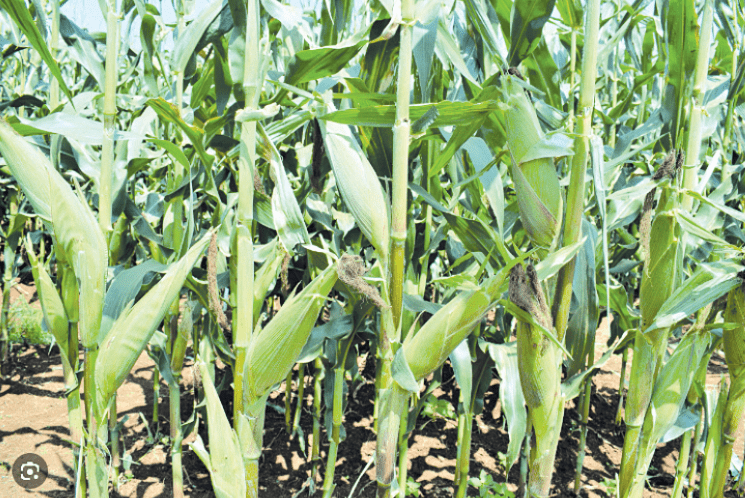
The report further warns that fertiliser shortages could reduce agricultural productivity if farmers scale back application because of rising prices. That presents another risk for Kenya, where maize production remains highly dependent on fertiliser use. Lower fertiliser application could translate into weaker harvests, tightening domestic grain supplies and adding further upward pressure on food prices even if weather conditions remain favourable.
Fuel costs are among the biggest drivers of inflation in Kenya because transport influences nearly every stage of production and distribution. Grain millers, road transport companies and food manufacturers all rely on diesel-powered logistics, meaning increases in global oil prices can quickly filter through to supermarket shelves.
The FAO and WFP caution that these pressures are emerging alongside broader global economic uncertainty. The report points to slower global growth, persistent inflation and conflict-related disruptions to commodity markets as factors likely to intensify food insecurity in vulnerable countries. Eastern Africa, where millions already depend on humanitarian assistance, remains particularly exposed to these external shocks.
Author
Latest News






Advertisement
More on Business