Advertisement
What you need to know about measles, a highly contagious disease
Saturday 02nd May, 2026 07:52 PM|
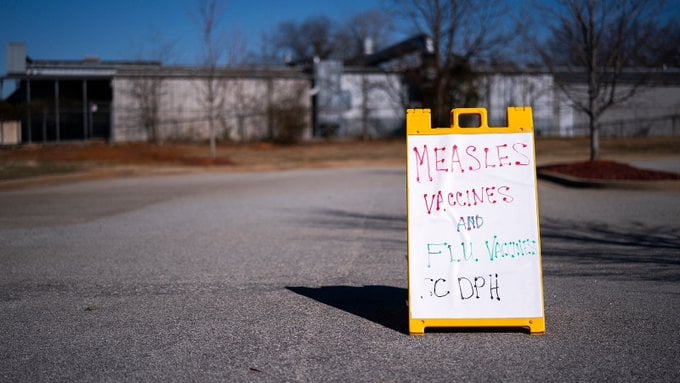
Measles, one of the world’s most contagious diseases, continues to pose a serious public health threat despite the availability of a safe and effective vaccine.
According to the World Health Organisation (WHO) the virus spreads easily through the air and can linger in a space for hours, putting unvaccinated populations, especially children, at significant risk.
In a special report by the World Health Organisation, WHO explained that measles can cause severe disease, complications, and even death.
“Measles is a highly contagious disease caused by a virus. It spreads easily when an infected person breathes, coughs or sneezes. It can cause severe disease, complications, and even death,” WHO stated.
You Might Also Like


In addition, the WHO further noted that Measles can affect anyone, but is most common in children.
Measles effect
Measles infects the respiratory tract and then spreads throughout the body. Symptoms include a high fever, cough, runny nose and a rash all over the body.
Being vaccinated is the best way to prevent getting sick with measles or spreading it to other people. The vaccine is safe and helps your body fight off the virus.
Before the introduction of measles vaccine in 1963 and widespread vaccination, major epidemics occurred approximately every two to three years and caused an estimated 2.6 million deaths each year.
An estimated 95 000 people died from measles in 2024 – mostly children under the age of five years, despite the availability of a safe and cost-effective vaccine.
Signs and symptoms
Symptoms of measles usually begin 10–14 days after exposure to the virus. A prominent rash is the most visible symptom.
Early symptoms usually last 4–7 days, and they include a running nose, cough, red and watery eyes and small white spots inside the cheeks.
The rash begins about 7–18 days after exposure, usually on the face and upper neck. It spreads over about 3 days, eventually to the hands and feet. It usually lasts 5–6 days before fading.
Most deaths from measles are from complications related to the disease.
According to WHO, complications can include blindness, encephalitis (an infection causing brain swelling and potentially brain damage), severe diarrhoea and related dehydration, ear infections and severe breathing problems, including pneumonia.
WHO further warns that if a woman catches measles during pregnancy, this can be dangerous for the mother and can result in her baby being born prematurely with a low birth weight.
Meanwhile, complications are most common in children under 5 years and adults over age 30. They are more likely in children who are malnourished, especially those without enough vitamin A or with a weak immune system from HIV or other diseases.
Measles itself also weakens the immune system and can make the body “forget” how to protect itself against infections, leaving children extremely vulnerable.
Author
Latest News








Advertisement
More on News