Advertisement
Senator Maanzo urges Kenyans to collect IDs before IEBC’s voter registration deadline
Thursday 23rd April, 2026 09:51 AM|

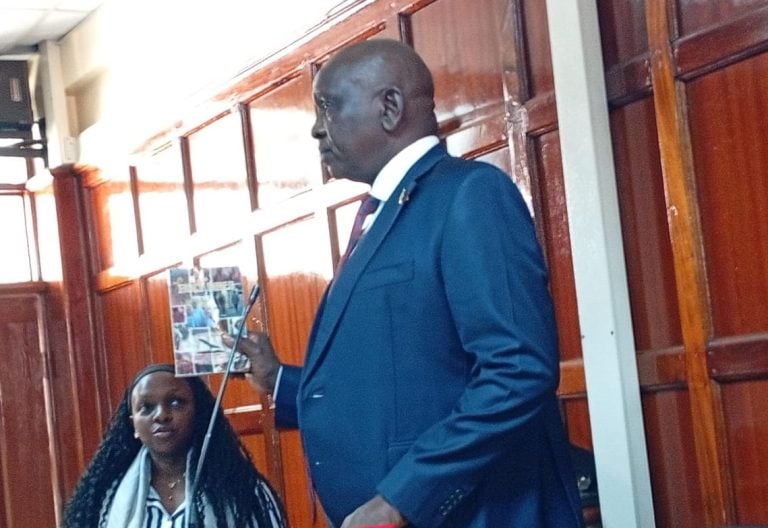
With only five days remaining before the close of voter registration by the Independent Electoral and Boundaries Commission (IEBC), Makueni Senator Dan Maanzo is urging Kenyans to urgently collect their national identity cards.
The senator has also warned that thousands risk being locked out of the 2026 elections due to delays in picking up already processed documents.
Speaking during an interview on a local TV station on Thursday, April 23, 2026, Maanzo expressed concern over the high number of uncollected IDs across the country, terming the situation alarming at a critical electoral moment.
“This is a big outcry. You cannot have 500,000 uncollected IDs while you are in the final week of voter registration. We urge people to be very alert, please pick up your own ID, sign it out, and do not sell it. Otherwise, you may be unable to vote in the next election,” he said.
You Might Also Like


His remarks come amid heightened national concern over voter preparedness as the country approaches the registration deadline, with electoral officials intensifying calls for citizens to ensure they are fully documented and eligible to participate in the upcoming 2027 polls.
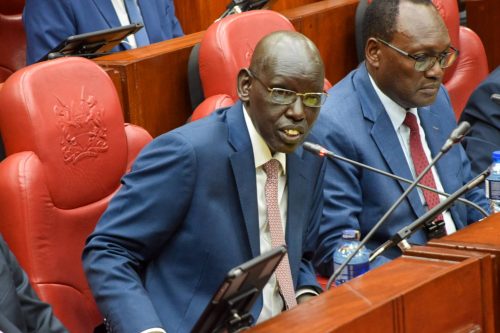
This comes after the Immigration Principal Secretary Belio Kipsang, who recently revealed that over 400,000 national identity cards remain uncollected across Kenya despite being ready for issuance.
Speaking in Nakuru during a press briefing on Thursday, April 9, 2026, Kipsang spoke about the disparities in collection rates across counties.
“Across the country, we have more than 400,000 IDs that have not been collected. But some counties are doing very well, and they almost have no IDs that are not yet collected,” Kipsang stated.
He further disclosed that Nakuru County alone accounts for a significant portion of the backlog.
“But in this particular county, we have a challenge. We have more than 34,000 IDs that have been printed but not yet collected,” he confirmed.
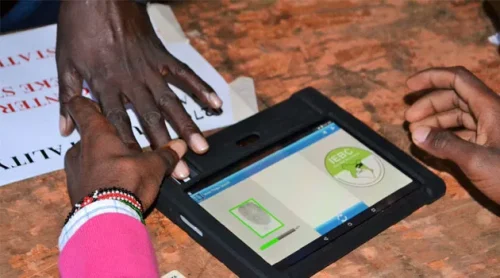
IDs concerns
To address the growing concern, the government is now leaning on local administrative structures to accelerate distribution. Kipsang noted that chiefs, assistant chiefs, and village elders will play a central role in ensuring citizens receive their documents.
“We have our chiefs today because we would want to use the structure of the chiefs, which runs all the way from assistant chiefs to the village elders, to ensure that these IDs reach the persons who applied for them,” he said.
He added that the stability of these local officers makes them particularly effective in reaching residents.
“Chiefs are the only officers who are not transferred because they are appointed for a specific jurisdiction and they were born and brought up there,” Kipsang explained.
As the voter registration deadline approaches, both political leaders and government officials are intensifying calls for civic responsibility, warning that failure to collect IDs could disenfranchise thousands of eligible voters.
Author
Latest News








Advertisement
More on News