Advertisement
Venezuela Earthquakes: One month later, families still search for loved ones and answers
Friday 24th July, 2026 09:47 AM|
The worst day in Victor Calderón’s life – a month ago to the day – unfolded while he was at sea.
When the powerful twin earthquakes devastated Venezuela’s northern coastline, the 49-year-old fisherman had been on the boat for 18 days and was told by radio that the building he and his family lived in had collapsed.
When he got back to shore, a staggering 26 members of his family were gone.
They include his sisters, their children and grandchildren, as well as his stepfather and nine cousins. Their ages ranged from two years old to their late 70s.
You Might Also Like

“It’s a terrible, terrible thing,” he says, struggling to find the words.
“I haven’t cried for them yet, not until I find the last ones who are missing,” he adds with stoicism.
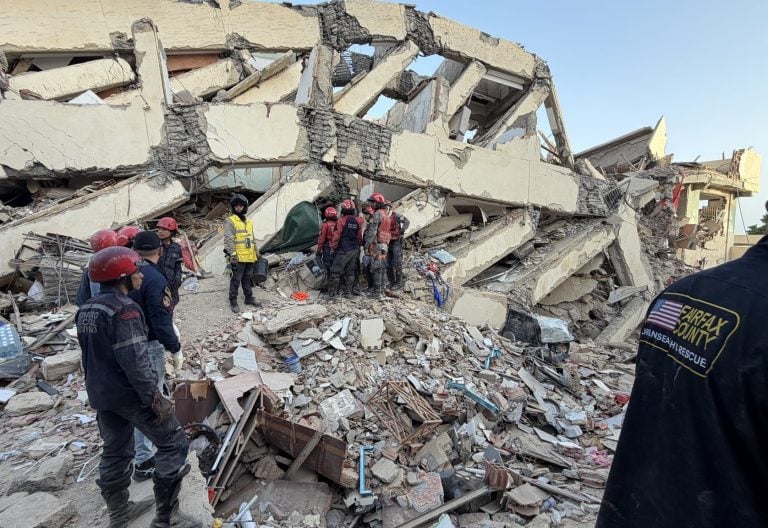
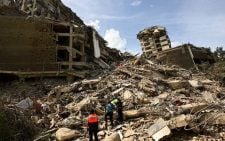
Victor’s entire family lived in a public housing complex known as OPPE 26, located in Caraballeda. The town in La Guaira state is considered the Ground Zero of the tragedy.
His daughter and granddaughter thankfully survived, and their much-reduced family now lives in a tent on a golf course.
A number of families searching for loved ones
One month on from the disaster, he is not the only one still searching for, and finding, loved ones.
More than 5,300 people are confirmed to have died in the quakes, and more than 16,500 were injured, according to a tally updated almost daily by the government.
The government has not said how many people are still missing, but the figure is estimated to be in the tens of thousands.
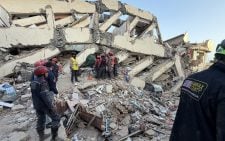
As the afternoon sun went down at OPPE26, three bodies were pulled from beneath the rebar and rubble, including that of an 11-year-old girl.
Her father, heaving deep sobs, was now finally able to grieve after his desperate month-long search for her had come to an end.
Rescue workers downed tools or said a prayer as the child’s body was delicately removed in black plastic sheeting, her father’s howls piercing the air and drowning out the sound of earthmoving equipment working nearby.
“This is soul-destroying,” says Magin Hernández, a member of another search team, weeping quietly. “For the rescuers, the families, the friends; just soul destroying”.
For most survivors and victims’ relatives, the soul-crushing grief is also combined with a deep and growing sense of anger at the authorities.
The resentment is palpable. Almost everyone you speak to at the Caraballeda housing complex asks the same questions: how could ten of 12 housing blocks collapse? Were the building plans flawed or corners cut or inadequate materials used? Is there evidence of negligence?
I put some of those questions to Public Works Minister Juan José Ramírez as he toured the site.
The buildings were sound, he insisted, adding that no nation could have coped with the sheer scale of the disaster.
“This wasn’t one but two almost simultaneous earthquakes, both moving in different directions,” the minister argued.
“All around us you can see both public and private buildings were brought down,” he said, motioning across the road to other destroyed apartment blocks.
“The earthquake didn’t discriminate between the two.”
Author
Latest News





Advertisement
More on News