Advertisement
BATUK pause hits Nanyuki economy as UK military exercise moves from Laikipia
Friday 24th July, 2026 07:44 AM|
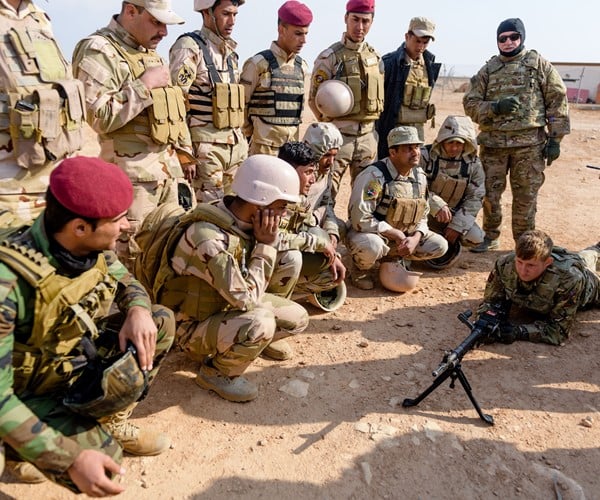
For more than three decades, the rumble of military trucks through Nanyuki has been as familiar as the snow-capped peaks of Mount Kenya rising above the town.
Each training season brought its own rhythm: hotels filled, taxis stayed busy, traders stocked their shelves, and farmers prepared fresh deliveries for an influx of British troops. This September, that rhythm will be missing.
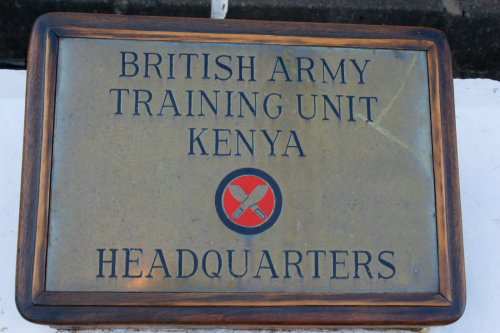
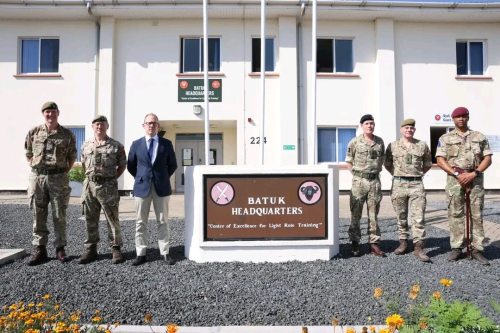
The British Army Training Unit Kenya (BATUK) has relocated its Haraka Storm military exercise from Laikipia after delays in renewing the Kenya-United Kingdom Defence Cooperation Agreement. The decision has left Nanyuki, a town that has grown alongside the military partnership, reflecting on what the pause could mean for its future.
For residents, the issue is no longer confined to negotiations in Nairobi or London. It has moved into hotel lobbies, taxi ranks, market stalls and coffee shops, where conversations are as much about justice as they are about jobs.
The town that grew with BATUK
You Might Also Like
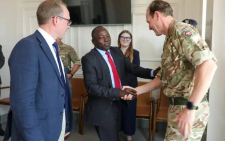

When BATUK established a permanent presence in Laikipia in the 1990s, Nanyuki was still largely an agricultural town.
Over the years, the regular arrival of British troops helped reshape the local economy. Accommodation facilities expanded, transport businesses flourished, farmers found new markets, and hundreds of residents secured employment directly or indirectly through military training activities.
Today, that relationship supports a wide network of livelihoods, from food suppliers and laundry services to mechanics, security firms and casual labourers.
For Kairu Kamunge, the cancellation of the September exercise is already causing anxiety.
“Whenever British troops train in the county, local businesses experience a noticeable boost,” he said.
“When the soldiers come, young people get temporary jobs, businesses make sales, and many families earn a living.”
Kodi Murage, a taxi driver in Nanyuki, shares the same concern.
He says BATUK has created opportunities for transport operators, traders and suppliers, while also employing many young people.
“Young people get jobs, suppliers get contracts, and businesses earn an income whenever the soldiers are training here,” he says.
Although concerns have been raised about BATUK’s operations over the years, Murage believes dialogue offers the best path forward.
“The benefits are significant. We hope the two governments resolve the outstanding issues so that training can continue while addressing the concerns that have been raised.”
Beyond the economy
For Chris Kiongozi, BATUK’s contribution extends beyond business.
He says the military partnership has opened doors for many young people through vocational training, internships, entrepreneurship initiatives and sports programmes.
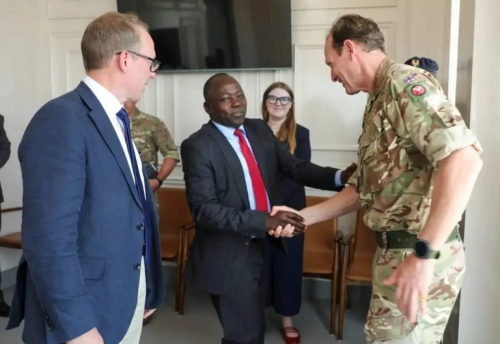
Local farmers and suppliers, he adds, have also benefited from procurement opportunities linked to the training exercises.
“We have learnt that BATUK will not conduct training in Laikipia this September, and that is a major concern,” he says.
“We need BATUK because it supports livelihoods in Laikipia. It creates jobs and business opportunities for local people.”
The other side of the conversation
Yet even as many residents worry about the economic impact, few dismiss the issues that have delayed the new agreement.
Businessman Mwangi Wangai says Kenya has every right to negotiate terms that protect its sovereignty and the interests of local communities.
“We support the government in ensuring Kenya gets the best deal,” he says.
“But we also hope the negotiations are concluded because many people in Laikipia depend on these training exercises.”
Author
Latest News


Advertisement
More on News