Advertisement
IGAD raises concerns as 5 States with electoral violence history enter voting season
Thursday 18th December, 2025 05:46 PM|
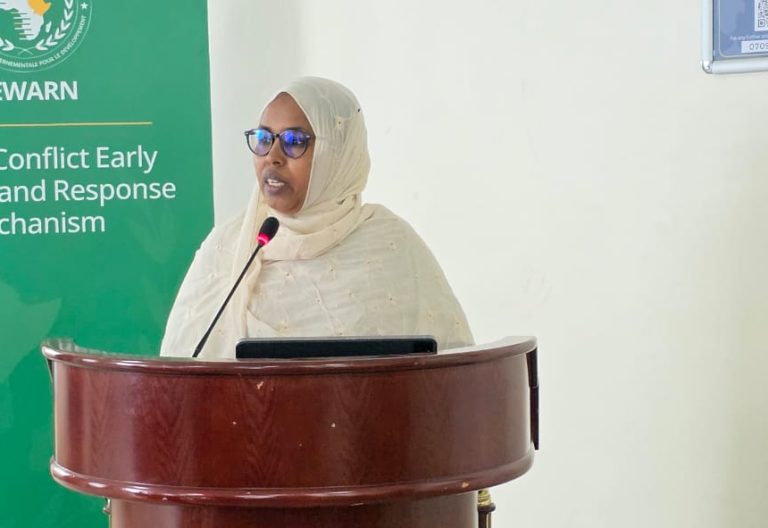
The Intergovernmental Authority on Development (IGAD) has expressed concern as five out of its seven member states, with a history of electoral violence, now enter a voting season.
IGAD’s Fatuma Adan, Head of IGAD’s Mission to Kenya, made the remarks during the Conflict Early Warning and Response Mechanism (CEWARN) meeting held on Thursday, December 18, 2022, in Machakos.
According to Fatuma Adan, CEWARN, which is tasked with foreseeing possible risks and providing solutions to avert potential threats to peace and harmony within IGAD member states, noted that these countries – Ethiopia, Somalia, Uganda, Sudan, Djibouti, and Kenya in 2027 – are normally associated with electoral violence, political tensions, and localised conflicts when not managed properly.
She further called for early warning sensitivity, risk analysis, and strong collaboration with member states, as well as close cooperation between regional, national, and local actors as the countries approach the electoral season.
You Might Also Like



“The region is entering a year marked by upcoming national elections in five out of seven of our member states, which historically have been associated with increased political tensions and localised violence if not carefully managed. These electoral processes demand heightened early warning sensitivity, proactive risk analysis, and strong collaboration between national, regional, and local actors,” the IGAD Executive Secretary said.
She also addressed the peace situation and escalating tensions in Sudan.
She noted that the devastating humanitarian impact and regional spillover effects underscore the urgency of robust early warning, preventive diplomacy, and coordinated regional action. IGAD, with the support of regional leaders, remains committed to finding a sustainable solution to the crisis.
In addition, new and evolving threats—such as resource-based conflicts, cross-border insecurity, misinformation, and climate-related stresses—require CEWARN to continuously adapt its tools, methodologies, and partnerships.
Dr Adan urged participants to use the three-day meeting to critically assess the region’s evolving security challenges, review both successes and gaps in CEWARN’s operations, and provide clear recommendations to guide the mechanism’s work in the coming period.
“Your expertise and insights are critical to ensuring that CEWARN remains relevant, responsive, and impactful in addressing the complex conflict dynamics facing our region,” she said.
Strengthening Early Warning Signs
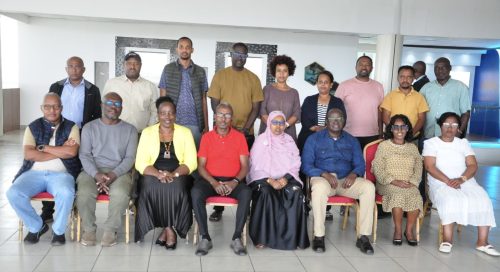
On his part, IGAD Conflict Early Warning and Response Mechanism (IGAD-CEWARN) Director Camlus Ouma Omogo said the Technical Committee on Early Warning and Response (TCENR) meetings provide a critical platform to assess progress in narrowing gaps between early warning and early response, a key pillar of effective conflict prevention.
He noted that the 20th TCENR meeting aims to review and validate conflict profiles and scenarios for 2026, update members on implementation progress, and reflect on future directions for the mechanism at a pivotal moment for both IGAD and the region.
“Some of you may be aware, IGAD’s 2026–30 Strategic Plan has just been approved, taking us into a new strategic period in our journey towards ‘a peaceful, prosperous & resilient region. At the heart of the strategy is a deliberate shift to position member States to better address challenges of the region.”
“Within EW/ER programming, it also requires us to shift our thinking in matching EW with pre-financed rapid ER action,” he added.

This comes a day after retired president Uhuru Kenyatta presided over IGAD Leadership Academy alumni forum, where he emerged with a strong message to the youths
Author
Latest News








Advertisement
More on News