Advertisement
Caroli Omondi warns Kenya is losing investor appeal
Tuesday 05th May, 2026 08:59 AM|

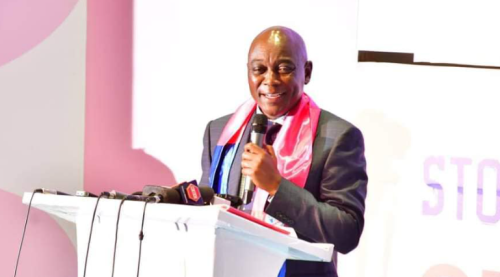
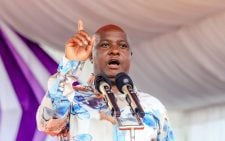
Suba South MP Caroli Omondi has raised concerns over what he termed growing inconsistencies in government data, warning that the trend is hurting Kenya’s credibility and weakening its attractiveness as an investment destination.
Speaking during an interview with a local TV station on Tuesday, May 5, 2026, Omondi criticised what he described as contradictions between government agencies, arguing that such disputes undermine confidence in official statistics.
Government data disputes
Omondi pointed to disagreements involving the Kenya National Bureau of Statistics (KNBS), the principal agency tasked with collecting and disseminating economic data.
“The Kenya National Bureau of Statistics is the principal government agency responsible for collecting, compiling, and disseminating economic data. It is a government agency, and it gets the information from other government agencies,” Omondi said.
You Might Also Like



“If the government can have a dispute with its own agency on numbers, then either the government is lying or it does not want to face reality.”
The MP also referenced a recent dispute involving the Kenya National Examinations Council (KNEC), where figures on student transition rates were reportedly questioned by officials.
“Even yesterday, the CS for Education was disputing the numbers given by KNEC on transition, yet they are the ones who set the exams,” Omondi said.
He argued that such contradictions raise concerns about the reliability of official data and decision-making processes.
Declining investor confidence
Omondi warned that the perceived lack of coherence in government data is contributing to a decline in investor confidence.
“Kenya is no longer an attractive investment destination,” he said.
He pointed to trends at the Nairobi Securities Exchange (NSE), noting that a number of companies have exited the bourse in recent years.
“There are a lot of exits from the NSE,” he added.
Concerns over job creation
The legislator further cited data from KNBS, saying private sector job creation remains low.
“If you look at the data from the Kenya National Bureau of Statistics, the job creation by the private sector is very nominal,” he said.
He warned that without robust private sector growth, the country risks slowing economic progress and rising unemployment.
Omondi urged the government to align its agencies and ensure consistency in data reporting, saying accurate statistics are critical for policymaking and investor confidence.
Ruto faults the KNBS report
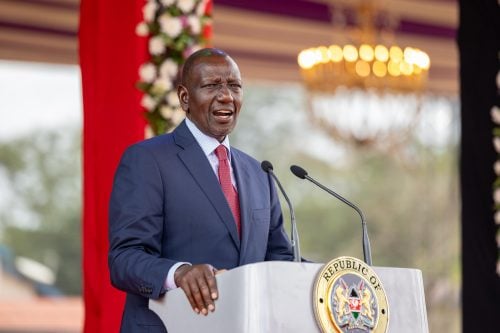
Omondi’s remarks come days after President William Ruto defended his administration’s economic record following what he termed as misleading interpretations of the latest report by the KNBS, even as new data fuels debate over the country’s slowing growth and deepening structural challenges.
Speaking during Labour Day celebrations in Vihiga on Friday, May 1, 2026, Ruto pushed back against what he described as alarmist headlines that followed the release of the 2026 Economic Survey.
The report showed that Kenya’s economy expanded by 4.6 per cent in 2025, marking a second consecutive year of deceleration, from 4.7 per cent in 2024 and 5.7 per cent in 2023.
Despite the slowdown, the President insisted the broader trajectory remains positive. In nominal terms, Kenya’s GDP rose to Ksh17.6 trillion in 2025, up from Ksh16.2 trillion the previous year, with all sectors recording growth.
“Tunaweza kuwa na ripoti nyingi… lakini bei ya mbolea ilikuwa elfu sita sasa ni elfu mbili na mia mbili,” Ruto said.
Author
Mustafa Juma
View all posts by Mustafa JumaLatest News






Advertisement
More on News