Advertisement
Payroll scandal: Audit reveals how ghost workers, duplicate salaries cost taxpayers ksh6.2B
Tuesday 14th July, 2026 09:50 PM|
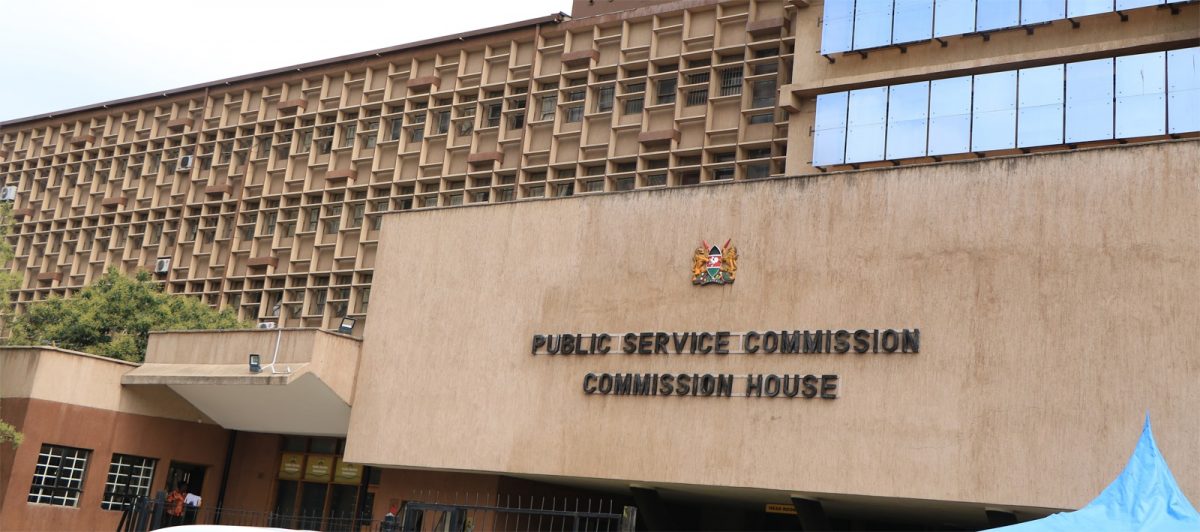
An internal government audit has exposed how ghost workers, duplicate salary payments, shared bank accounts and weak payroll controls cost Kenyan taxpayers an estimated Ksh6.2 billion, prompting the government to intensify a nationwide payroll clean-up exercise.
The audit, commissioned by the Public Service Ministry, uncovered widespread irregularities across government payroll systems, revealing how loopholes in employee records and salary processing enabled billions of shillings to be paid out irregularly.
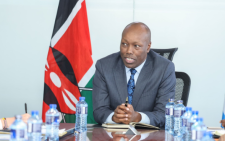
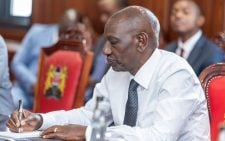
Public Service Cabinet Secretary Geoffrey Ruku said the findings point to deep-rooted weaknesses in the management of public sector payrolls, with some employees receiving salaries despite glaring inconsistencies in their records.
In an interview on a local TV station on Tuesday, July 14, 2026, Ruku said the audit uncovered cases of individuals whose employment records showed they were hired before they were even born.
You Might Also Like


“There were issues of employees who were employed before they were born. Some civil servants were employed before the age of 18 years,” Ruku said.
The report also flagged payments to individuals who had not attained the legal employment age of 18 years, raising concerns about the integrity of personnel records maintained by government agencies.

How payroll fraud occurred
According to the audit, one of the biggest weaknesses involved multiple salary payments being channelled through the same bank accounts, making it difficult to identify the actual beneficiaries of public funds.
Investigators found cases where several employees were linked to a single personal bank account, while others were receiving salaries despite lacking valid bank account details in government records.
“There are employees who are sharing bank accounts. There are employees who do not have bank accounts in the system, but the records show they are receiving salaries,” Ruku said.
The audit further revealed instances of public servants receiving more than one salary from the government payroll during the same financial year, exposing significant gaps in payroll verification and oversight mechanisms.
The National Police Service (NPS) emerged as one of the agencies with major payroll anomalies. Investigators found that Ksh313.6 million was channelled through a single personal bank account in one financial year, even as the identities of the ultimate beneficiaries remained unclear.

The report also identified payments amounting to Ksh20 million made to employees whose bank account details could not be verified.
“There are employees without bank accounts, yet they have been paid salaries,” Ruku said.
The Department of Immigration was also flagged after investigators discovered unverified salary arrears exceeding six months.
The audit found that Ksh31.5 million was paid out without adequate supporting documentation, while some employees received duplicate salary payments and others were compensated for periods they did not work.
“Why would the government accumulate salary arrears of over six months? Why?” Ruku posed.
Govt moves to seal payroll loopholes
The government says it is now implementing measures to eliminate payroll fraud and strengthen accountability in the public service.
The Public Service Ministry has directed all ministries, departments, agencies and state corporations to migrate to the revamped Integrated Human Resource and Payroll System, a move aimed at creating a single, centralised database for all public servants.
Officials believe the new system will help identify ghost workers, eliminate duplicate payments, improve employee verification and seal loopholes that have enabled payroll fraud for years.
With taxpayers estimated to have lost Ksh6.2 billion through payroll irregularities, the government says the clean-up exercise will continue as part of broader efforts to enhance transparency, accountability and prudent use of public resources.
Author
Latest News



Advertisement
More on News