Advertisement
July-August fuel prices: EPRA explains factors behind unchanged review
Tuesday 14th July, 2026 09:22 PM|

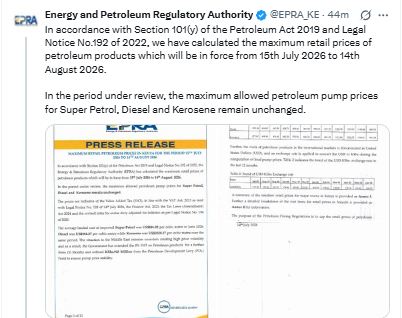
Kenyan motorists and households will continue paying the same prices for Super Petrol, Diesel and Kerosene over the next 30 days after the Energy and Petroleum Regulatory Authority (EPRA) retained maximum pump prices in its latest monthly fuel price review.
In a statement on Tuesday, July 14, 2026, announcing fuel prices for the period 15 July 2026 to 14 August 2026, EPRA said the maximum allowed petroleum pump prices for Super Petrol, Diesel and Kerosene remain unchanged despite continued volatility in global oil markets.
The regulator said the revised prices were calculated in accordance with the Petroleum Act, 2019 and relevant pricing regulations, with the new rates taking effect from midnight on 15 July 2026.
In Nairobi, motorists will continue paying Ksh214.03 per litre for Super Petrol, Ksh222.86 per litre for Diesel and Ksh191.38 per litre for Kerosene. In Mombasa, Super Petrol will retail at Ksh 210.87, Diesel at Ksh219.58 and Kerosene at Ksh188.09 per litre, while prices in other towns vary depending on transportation and distribution costs.
Why EPRA left fuel prices unchanged
You Might Also Like


EPRA attributed the stable pump prices to government interventions and measures aimed at cushioning consumers from fluctuations in international petroleum markets.
According to the regulator, the average landed cost of imported Super Petrol stood at US$886.92 (about Ksh 115,065.66) per cubic metre in June 2026, while Diesel averaged US$984.37 (about Ksh 127,692.48) and Kerosene US$1,028.17 (about Ksh133,373.01) over the same period.
The authority noted that uncertainty in the Middle East continues to exert pressure on global oil markets.
“The situation in the Middle East remains uncertain creating high price volatility,” EPRA said in the statement.
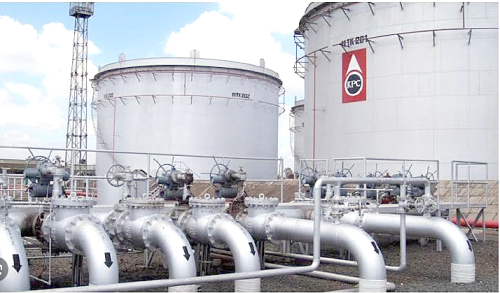
To shield consumers from the impact of rising international fuel costs, the government extended tax relief measures and tapped funds from the Petroleum Development Levy (PDL).
“The Government has extended the 8% VAT on petroleum products for a further three months and utilized Ksh945 million from the Petroleum Development Levy (PDL) Fund to ensure pump price stability,” EPRA stated.
The regulator further explained that Kenya imports all its petroleum requirements in refined form, making local fuel prices highly dependent on developments in the international market.
“Currently, Kenya imports all its petroleum product requirements in refined form, and the products are traded in international markets based on a pricing benchmark,” the authority said.
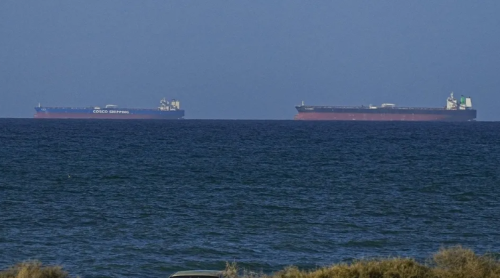
Global oil prices and exchange rates
EPRA noted that international petroleum products are traded in United States dollars and that exchange rates play a significant role in determining local pump prices.
The authority applies the prevailing dollar-shilling exchange rate when converting import costs into local retail prices. Data released by EPRA shows the average exchange rate used in the pricing calculations stood at about Ksh129.72 per US dollar in June 2026, remaining relatively stable compared to previous months.
The regulator also pointed out that the purpose of Kenya’s petroleum pricing regulations is to cap retail prices and ensure consumers are protected from excessive market fluctuations while allowing oil marketers to recover prudently incurred costs.
The latest review means motorists, businesses and households will avoid additional fuel-related expenses for another month, with EPRA maintaining that the combination of tax interventions and PDL support has helped keep fuel prices steady despite uncertainty in global energy markets.
The revised maximum pump prices will remain in force until 14 August 2026, when EPRA conducts its next monthly fuel price review.
Author
Latest News





Advertisement
More on Business