Advertisement
Dangote Lamu oil refinery opposition: Why critics oppose the 700,000-barrel-per-day mega-project
Tuesday 14th July, 2026 01:15 PM|

The proposed Dangote Lamu oil refinery is facing opposition over environmental risks, public participation, land compensation and the terms of the multibillion-dollar investment.
Dangote Industries plans to build a refinery capable of processing 700,000 barrels of crude oil per day.
The facility is expected to supply Kenya and other East African countries with petrol, diesel, jet fuel and other petroleum products.
Reuters reported that soil testing, design and engineering work had started.
You Might Also Like



However, full construction has not been confirmed, and key regulatory and commercial details remain undisclosed
President William Ruto supports the project. He says it could improve regional energy security, reduce dependence on imported refined fuel and create about 60,000 jobs.
The employment figure remains a government projection. A detailed breakdown of permanent, temporary and indirect jobs has not been made public.

Environmental concerns
Power Shift Africa Director Mohamed Adow is among the environmental campaigners opposing the refinery.
Adow argues that a refinery of this scale could threaten Lamu’s mangrove forests, coral reefs, fishing grounds and marine habitats.
The facility would require storage tanks, pipelines, roads, shipping terminals and other supporting infrastructure. Critics say increased tanker traffic, dredging, industrial waste and possible oil spills could affect communities that depend on fishing and coastal resources.
Concerns have also been raised about the wider cultural and environmental landscape surrounding Lamu Old Town, a UNESCO World Heritage Site.
The exact refinery location has not been publicly confirmed. It is therefore unclear how close the facility and its supporting infrastructure would be to protected cultural and natural sites.
Public participation and compensation
Constitutional lawyer Levi Munyeri has threatened court action unless the government involves Lamu residents in decisions concerning the project.
Munyeri argues that residents should receive clear information about the site, land requirements, environmental risks, compensation and employment opportunities.
His position has not been tested in court, and no court has ruled that the refinery process has violated public participation requirements.
Some local leaders have also called for fair compensation for affected landowners and fishermen.
Others want a substantial share of employment opportunities reserved for Lamu residents.
The demands reflect earlier disputes involving major infrastructure projects in the county, including complaints over fishing grounds and delayed compensation.
Economic and climate questions
Critics have questioned whether a major new oil refinery remains commercially sustainable as countries expand electric transport and renewable energy.
They warn that the facility could lose value if global demand for petroleum products declines faster than expected.
Questions also remain about crude oil supply, financing, tax incentives, government guarantees and the market for the refinery’s full output.
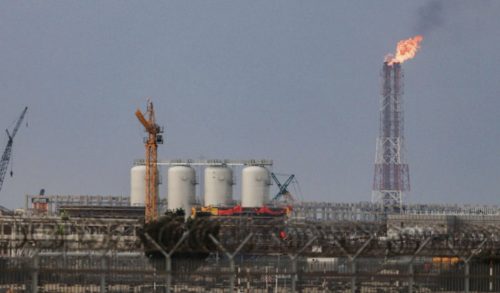
However, opposition to the project is not uniform. Some Lamu residents and youth groups support it because of the expected jobs, business opportunities and increased activity at Lamu Port.
The project will still require environmental assessments, regulatory approvals and public consultation before full construction can proceed.
Author
Latest News







Advertisement
More on Insights