Advertisement
Lake Ol Bolossat: Little-known water body gains national attention thanks to Ol Kalou by-election
Saturday 11th July, 2026 07:50 AM|
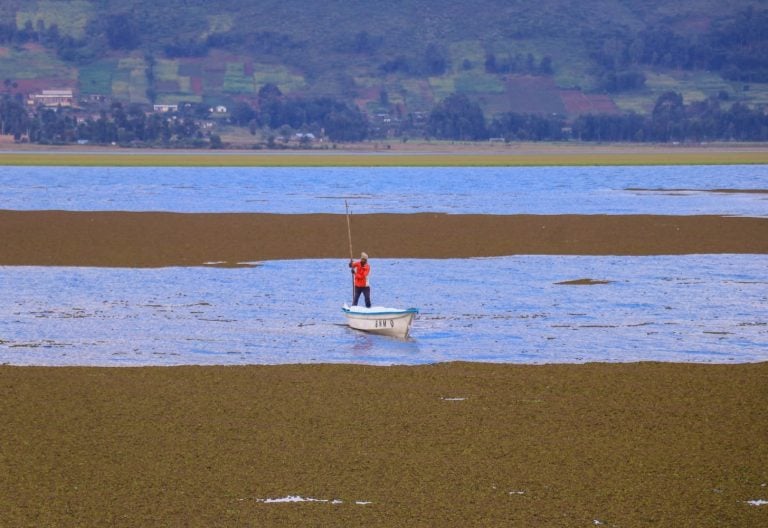
For years, Lake Ol Bolossat quietly sat in Nyandarua County, largely unknown to a number of Kenyans beyond the communities living around its shores.
The contest to replace the late Ol Kalou MP David Kiaraho has dominated political headlines, and the freshwater lake, which lies within Ol Kalou Constituency in Nyandarua County, has become a recurring campaign issue as candidates promise to protect and unlock its economic potential.
The by-election has drawn national political heavyweights and transformed the constituency into one of Kenya’s most watched electoral battlegrounds.
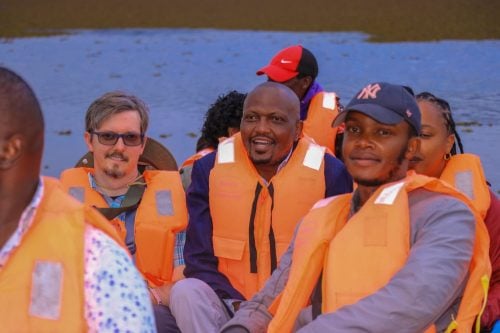
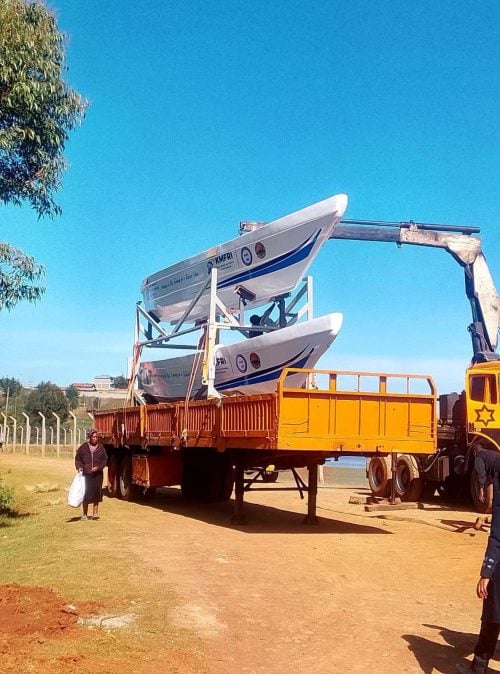
The Ol Kalou residents have recently received fishing equipment aimed at creating jobs and expanding economic opportunities around the Lake.
You Might Also Like


In a statement on his X account on Tuesday, July 7, 2026, Former Trade Cabinet Secretary Moses Kuria said the initiative seeks to empower young people by providing them with tools to engage in fishing and aquaculture as a sustainable source of income.
“We have distributed fishing gear, including fingerlings, cages, fishing nets and fishing boats, to help our young people tap into the economic opportunities at Lake Olobolosat and earn a decent livelihood,” Kuria said.
Situated about 2,340 metres above sea level, the shallow freshwater lake covers approximately 43 square kilometres during wet seasons and serves as the source of the Ewaso Nyiro North River, which flows through several counties before reaching northern Kenya.
Restoration of the Lake
In January 2026, the government stepped up efforts to restore Lake Ol’Bolossat amid concerns over shrinking water levels and rising human-wildlife conflicts.
Priorities include resurveying and marking lake boundaries, restoring degraded catchment areas, regulating water use, and reviewing illegal land titles.
Located on the Kinangop Plateau in Nyandarua county, Ol’Bolossat is Kenya’s only natural lake in the central highlands.
It however faces multiple challenges, including poaching, illegal fishing, settlement encroachment, deforestation, water pollution, and inadequate catchment management.
It is home to over 800 hippopotamuses, more than 300 bird species and mudfish, making it a vital hub for wildlife and nature tourism.
The restoration programme is guided by the 2020–2030 Integrated Management Plan developed by Nyandarua county and the National Environment Management Authority, with a multi-agency approach involving officials from the State Department of Forestry, Kenya Wildlife Service, National Museums of Kenya, Water Resources Authority, and local communities.
The ongoing by-election has elevated these concerns into mainstream political debate, with aspirants promising stronger environmental protection, better tourism infrastructure and sustainable management of the lake to create jobs and improve livelihoods.
According to Kuria, the programme for the restoration of the lake is intended to tackle youth unemployment by equipping young people with the resources needed to start businesses and support their families.
“Our commitment is simple: create opportunities and reduce idleness amongst our youths. When young people are equipped with the right tools, they can build businesses and create jobs which will support their families,” Kuria stated.
Author
Emmanuel Rono
Rono is a digital journalist with a proven track record in newsroom leadership and content creation. Currently a Digital Writer for People Daily Digital, Emmanuel’s career is rooted in a lifelong passion for storytelling. Let's talk here: [email protected] or [email protected]
View all posts by Emmanuel RonoLatest News




Advertisement
More on Insights