Advertisement
MPs move to unlock billions in climate financing through new laws
Saturday 11th July, 2026 08:37 AM|

Members of Parliament have pledged to fast-track legislative reforms aimed at unlocking billions of shillings in climate financing following the conclusion of the Kenya Parliamentary Green Investment Dialogue in Kisumu.
The two-day forum, which ended on Friday, July 11, 2026 brought together lawmakers, senior government officials, policy experts and private sector representatives to identify legal and policy measures needed to accelerate Kenya’s green energy transition and attract climate investments.
According to a statement by the Parliament of Kenya, the discussions highlighted that although Kenya generates about 92 per cent of its electricity from renewable sources, investments in localized clean energy projects such as mini-grids remain constrained by regulatory uncertainty and delayed legislation.
Private sector stakeholders, led by the African Minigrid Development Association (AMDA), urged Parliament to expedite the long-awaited Energy (Minigrid) Regulations, which have remained pending since 2021.
You Might Also Like


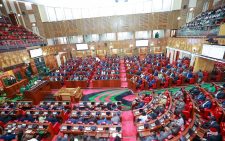
Nominated Senator Catherine Mumma assured investors that Parliament would move to remove legal barriers affecting the sector.
“This dialogue was a great platform for all of us to learn. Now that we have heard you, we urge you to formally present these challenges to us, and state the particular legislative interventions you require us to make. Parliament exists to make laws and we shall take up our role to clear any hurdles hindering investments,” she said.
Clean cooking crisis
Further, a deep analysis was dedicated to the clean cooking crisis and the electric mobility sector. While Kenya targets universal clean cooking access by 2028, a massive medium-term funding gap of Ksh 58.79B (USD 455 million) persists.
MPs enthusiastically welcomed a newly presented Programme for Accelerating Clean Cooking Transition in Kenya, championed by the United Nations Industrial Development Organization (UNIDO) and Climate Parliament.
“It is important that the experts explain to us the impact of all schools in Kenya transitioning into clean cooking, against the projected budgets for the same to enable us make informed decisions” Busia Senator Okiya Omtata noted.
This Ksh19.38 B (USD 150 million) Green Climate Fund (GCF) initiative targets the transition of 3,000 public schools from toxic biomass to electric cooking through an innovative public-private partnership (PPP) Energy-as-a-Service model, directly fueled by National Government Constituency Development Funds (NG-CDF).
Developing new laws
The legislators also pledged to develop laws integrating carbon compliance fees, including opportunities under the global aviation Carbon Offsetting and Reduction Scheme for International Aviation (CORSIA), into Kenya’s climate adaptation financing framework.
Additionally, they backed wider implementation of the Rural Electrification and Renewable Energy Corporation’s “Shilling-for-a-Shilling” Matching Fund to support community-based renewable energy projects across constituencies.
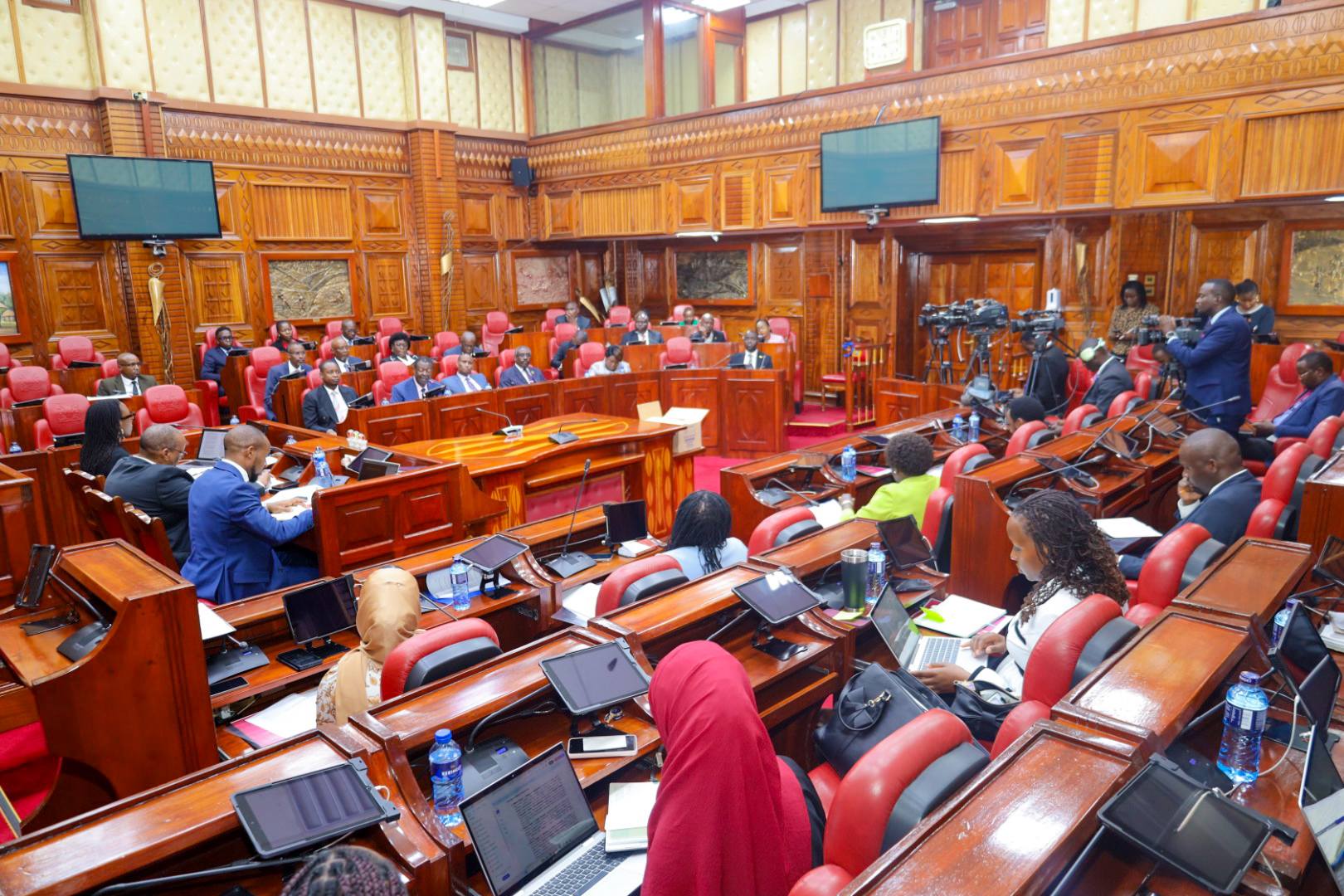
Speaking during the closing session, Gem MP Elisha Odhiambo said Parliament has a critical responsibility in creating a predictable legal environment for investors.
“Parliament does not finance green projects directly, but we hold the key to the policy framework that shapes investor confidence. For too long, brilliant renewable energy concepts and minigrid innovations in Kenya have stalled in the pilot phase due to regulatory bottlenecks and ambiguous bureaucratic delays,” he said.
Author
Emmanuel Rono
Rono is a digital journalist with a proven track record in newsroom leadership and content creation. Currently a Digital Writer for People Daily Digital, Emmanuel’s career is rooted in a lifelong passion for storytelling. Let's talk here: [email protected] or [email protected]
View all posts by Emmanuel RonoLatest News






Advertisement
More on News