Advertisement
Counties push for bigger role in shaping public-private partnership law to unlock investments
Tuesday 14th July, 2026 07:48 PM|
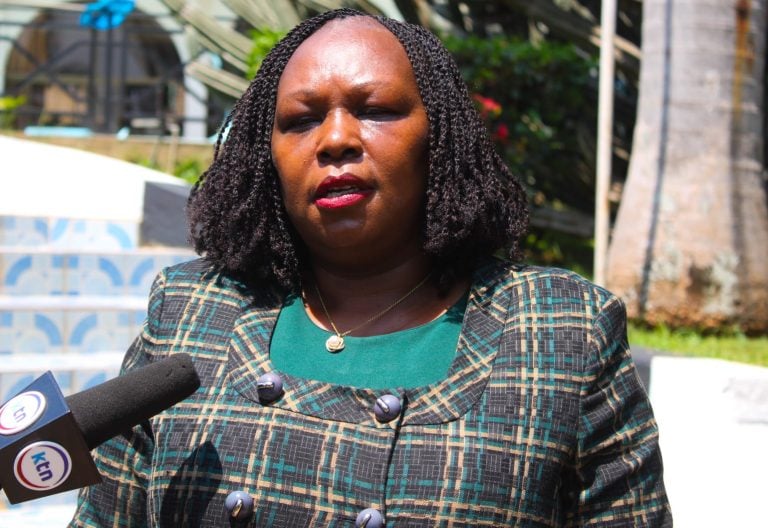
County governments have called for greater involvement in the country’s Public-Private Partnership (PPP) framework, arguing that stronger representation in the proposed legal reforms will help attract private investment, improve transparency and accelerate socio-economic development.
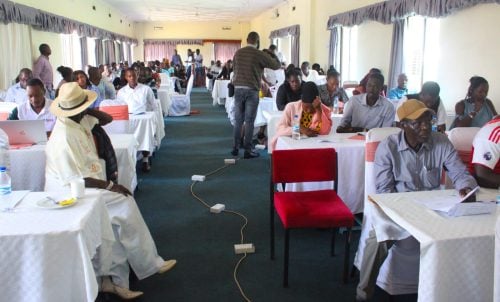
The calls emerged during a public participation forum in Kisumu on July 14, 2026, on the proposed Public-Private Partnership (Amendment) Bill, 2026, the Draft Public-Private Partnership General Regulations, 2026, and the Draft Public-Private Partnership Project Management Regulations, 2026.
The public consultation, led by the National Treasury’s Public-Private Partnership Directorate, is part of a nationwide exercise running from July 13 to July 29, 2026, bringing together stakeholders from Kisumu, Siaya, Vihiga and Kakamega counties to gather views before the proposed laws are finalised.
Faith Fessa, Deputy Chief State Counsel and Senior Commercial Lawyer at the Public-Private Partnership Directorate under the State Department for Public Investments and Assets Management, said the review seeks to align the regulations with the Public-Private Partnership Act, 2021, while addressing implementation gaps.
You Might Also Like



She said the exercise is anchored on Article 10 of the Constitution, which requires public participation in legislative processes, and Article 227, which demands transparency and accountability in public procurement.
“We are seeking the views of Kenyans on the proposed amendment bill and the draft regulations so that we develop a legal framework that is clear, practical and beneficial to the country,” Fessa said.
She noted that while the PPP Act, 2021, provides the legal framework for partnerships between government and private investors, the accompanying regulations are meant to provide detailed procedures on project identification, procurement, implementation and management.
According to Fessa, the regulations will clarify the responsibilities of contracting authorities and private investors, ensuring transparency throughout the project cycle.
She added that PPPs enable government to leverage private sector financing, technology and expertise in delivering public infrastructure and services, making it necessary to have clear rules that inspire investor confidence while protecting public interest.
Counties seek stronger voice
Representing the County Government of Kakamega and the Lake Region Economic Bloc (LREB), Chief Officer Dr George Barack Otieno welcomed the review, saying counties have long struggled with implementing PPP projects despite increasing interest from investors.
He said many county governments receive investment proposals in sectors such as natural resource development and value addition but often lack clear procedures to evaluate and process them.
“The review has come at the right time because counties have been grappling with how to engage in public-private partnerships while investors continue expressing interest in various development opportunities,” said Otieno.
He said the proposed regulations provide clearer guidance on project identification, feasibility studies and investor onboarding, which are critical in making county investment opportunities more attractive.
Otieno urged counties to allocate resources for feasibility studies, noting that well-prepared project data would enable them to market investment opportunities more effectively to private investors.
He further emphasised the need for transparent and competitive processes when handling privately initiated proposals to minimise disputes and enhance public confidence in PPP projects.
Otieno also called for a stronger role for county assemblies in the approval of PPP projects, noting that counties often contribute public land as equity in such investments.
“County assemblies should have a clearly defined role because leasing public land to private investors requires public participation and oversight by elected representatives,” he said.
He further proposed enhanced county representation within the national PPP Steering Committee, suggesting that both the Council of Governors Secretariat and the affected county governments be represented to ensure county interests are adequately considered during decision-making.
The National Treasury said the views collected during the nationwide public participation exercise will inform the final amendments before the proposed Bill and regulations are submitted for consideration.
Author
Latest News






Advertisement
More on Business